UNC Charlotte’s Botanical Gardens are a living classroom
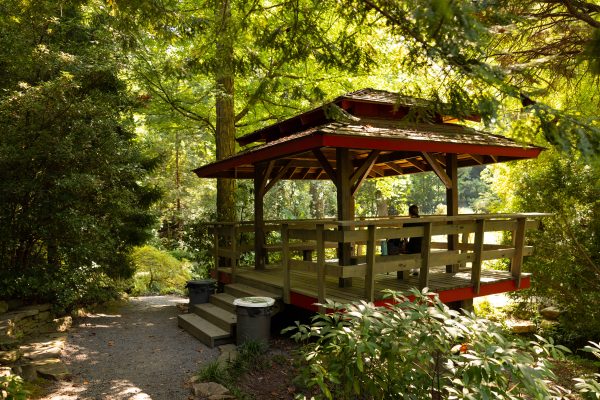
Rooted in Research, Discovery and Community for 60 years
Tucked just beyond the busy flow of campus life, the UNC Charlotte Botanical Gardens offer more than a peaceful retreat. Beneath the lush foliage and winding paths, the gardens and the adjacent McMillan Greenhouse serve as active learning spaces where students, faculty and researchers explore the natural world up close.
What many visitors see as a quiet escape is, in fact, a dynamic outdoor laboratory that have been a part of UNC Charlotte’s campus for 60 years. The 10-acre gardens and the greenhouse’s global plant collections support hands-on teaching, scientific research and community education throughout the year.
A campus sanctuary with a scientific purpose
The Botanical Gardens were designed not only to showcase the beauty and diversity of plant life, but also to support the University’s academic mission. Students from biological sciences, chemistry, art, environmental studies and other programs regularly use the space for coursework, field observations and research projects.
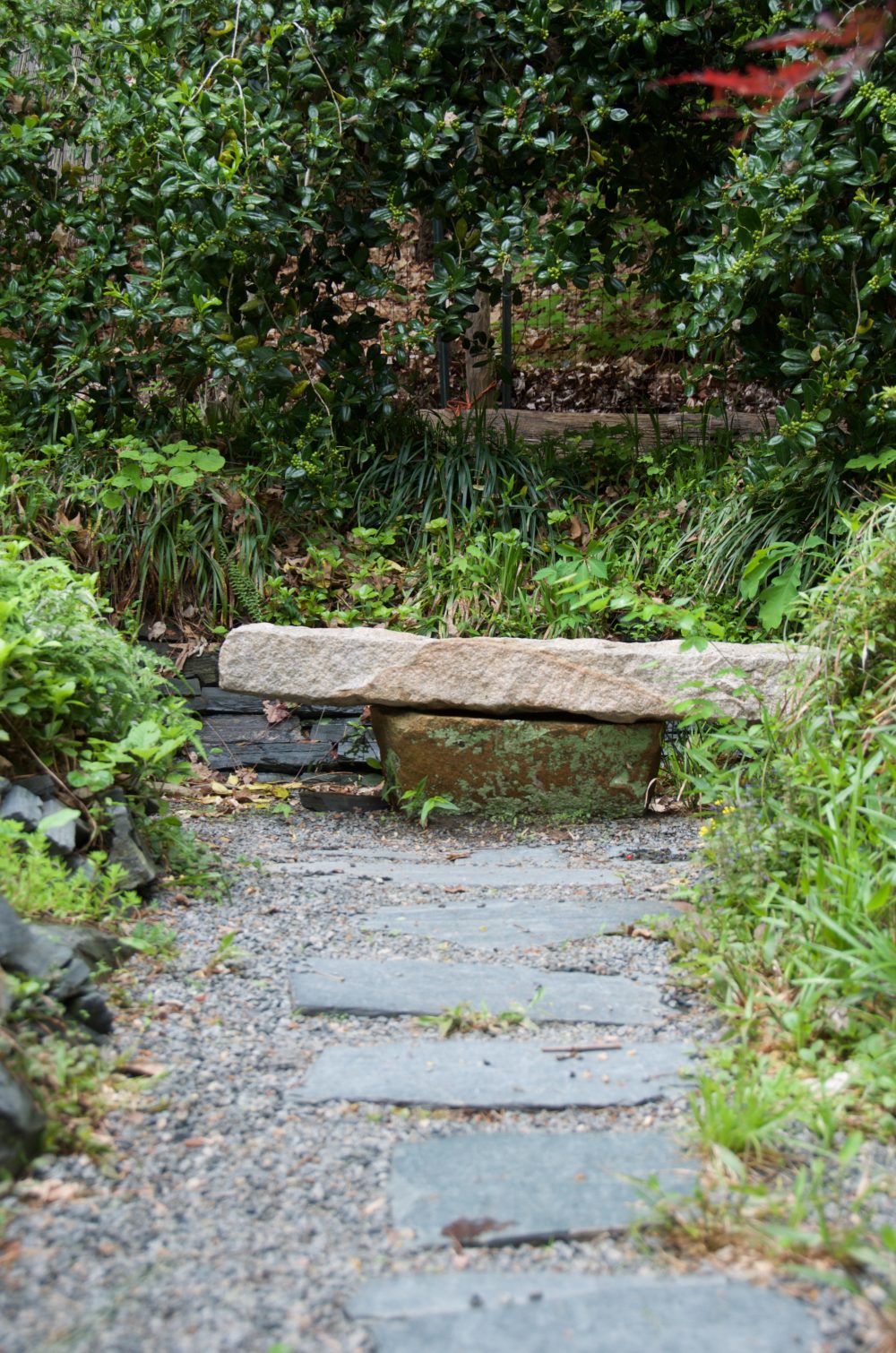
The gardens’ living collections — from native Piedmont species in the Van Landingham Glen to tropical and carnivorous plants housed in the McMillan Greenhouse — allow students to study plant biology, ecology, conservation and environmental change in real time. Informational signage and curated plant groupings help visitors understand how species interact with their environments, offering lessons that extend far beyond the classroom.
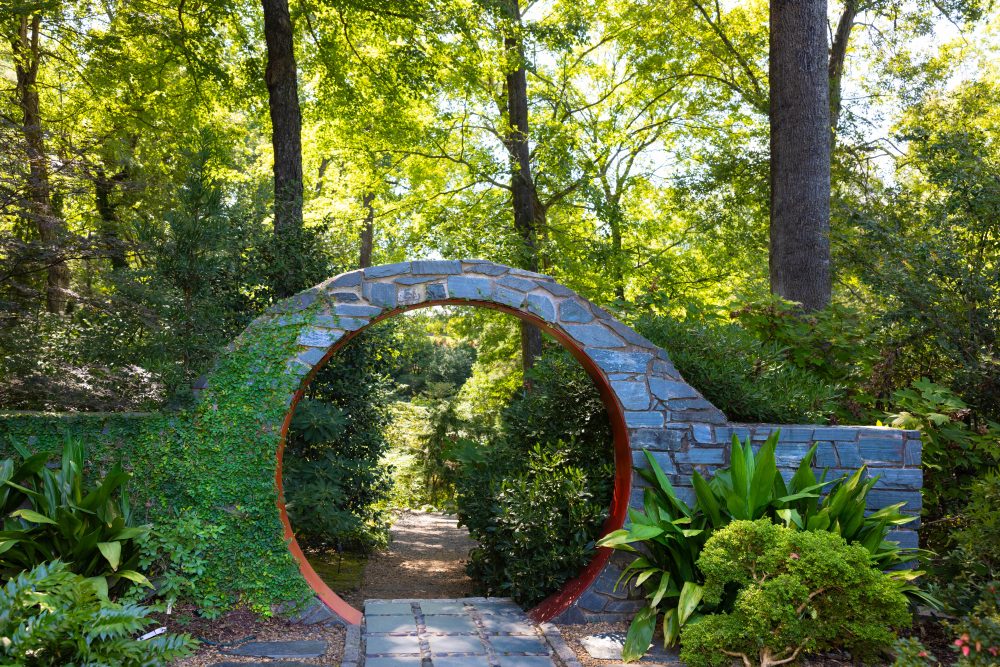
“We are proud to be part of such a vibrant university community,” said Jeff Gillman, director of the UNC Charlotte Botanical Gardens. “We’re incredibly fortunate to collaborate with departments as diverse as English, Communication Studies, biology, art, physics, chemistry and more.”
Faculty bring classes to the gardens for students to observe plant adaptations, sketch botanical structures, measure growth patterns and analyze ecological relationships.
Jennifer Warner, teaching professor of biological sciences and faculty director of the LEADS program, said the gardens have become a catalyst for student-driven engagement.
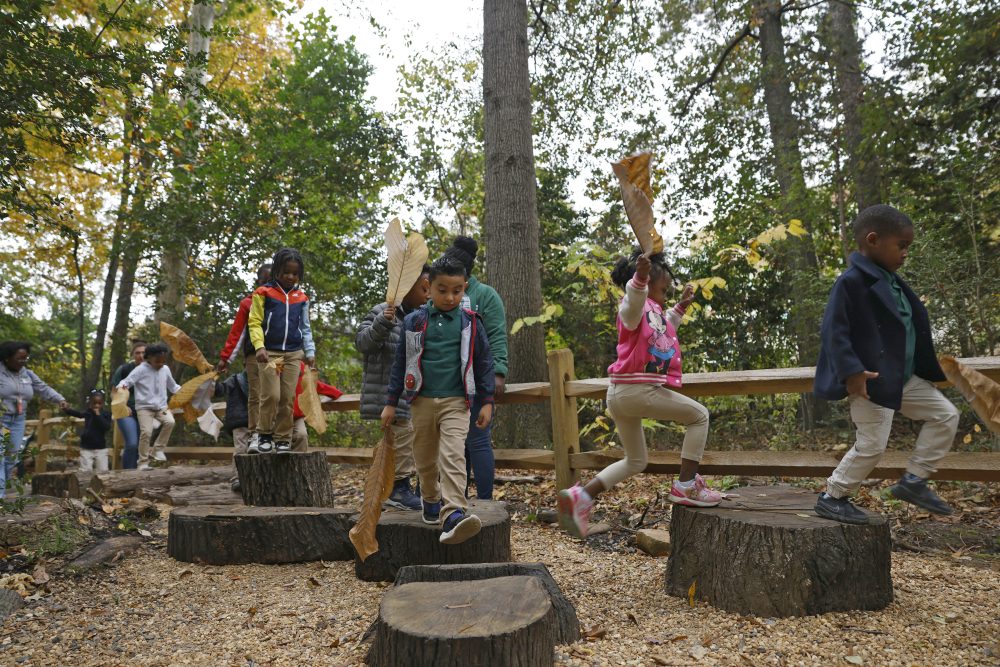
“Last fall, Jeff and I worked together to create a new LEADS class,” Warner said. “Students were charged with finding creative new ways to engage the community, so they developed children’s events like music, storytime and trick-or-treating in the gardens. Some enjoyed the class so much that they wanted to continue this spring, and that is how Spring Fest emerged. We plan to keep going with these student-led initiatives, and already have ideas for future semesters.”
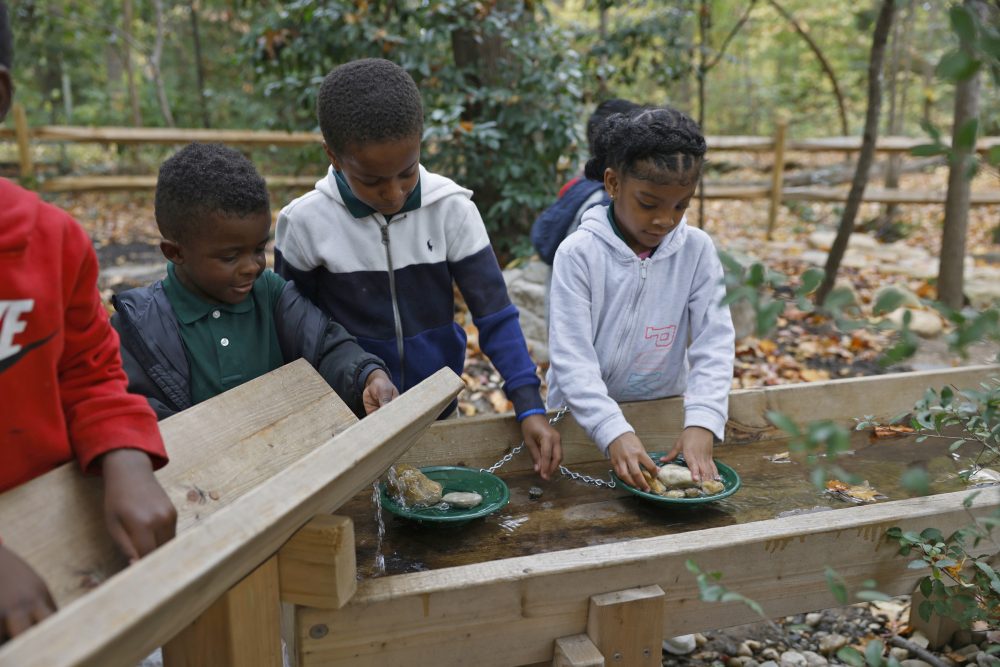
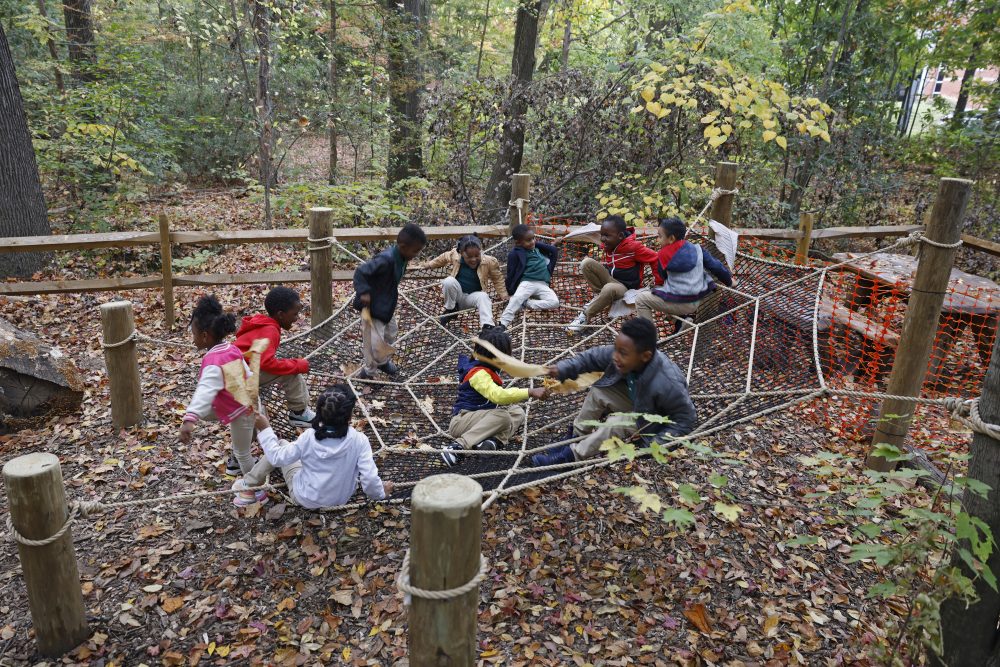
Ashli Q. Stokes, professor of communication studies in the College of Humanities & Earth and Social Sciences, said the Carolina Garden Trail offers a needed counterbalance to the growing emphasis on computer learning and online instruction in higher education.
“Courses where students interact with the Carolina Garden Trail help provide a needed balance, offering students the chance to approach learning in a hands-on, interactive way that continues to provide lessons long after the class is over,” she said.
In her Honors Consuming Southern Foodways class, students helped build the trail, connecting “plants’ horticultural science and history with their evolving culinary uses and meanings,” Stokes said.
As part of the project, students designed interpretive signs showing how plants take on different meanings across cultures and time. One example was the peanut: A plant that originated in South America, traveled to Africa, and was brought to the Carolinas by enslaved peoples before becoming a staple of Southern cuisine.
“Learning about such plants through history helps students understand the past in a more present, tangible way,” Stokes said, noting that the peanut’s story also opens conversations about North Carolina’s agricultural and touristic economies and how plants are used symbolically in messages about the South.
Walking the trail and reading the signs encourages students and visitors to “think about plants in entirely new ways, something that’s harder to achieve in some traditional classroom environments,” said Stokes.
Research rooted in the landscape
The gardens function as a living classroom for the Klein College of Science, where students and faculty conduct research that deepens understanding of local ecosystems.
Morgan Carter, assistant professor of biological sciences, received a National Science Foundation grant partly for her fungi research in the Botanical Gardens, and said the gardens’ varied landscapes make them ideal for both structured and independent research. One undergraduate, she said, collaborated with the gardens’ staff to collect bees and identify fungal spores attached to them, with the project revealing “the many visitors to the gardens include insects and microbes.”
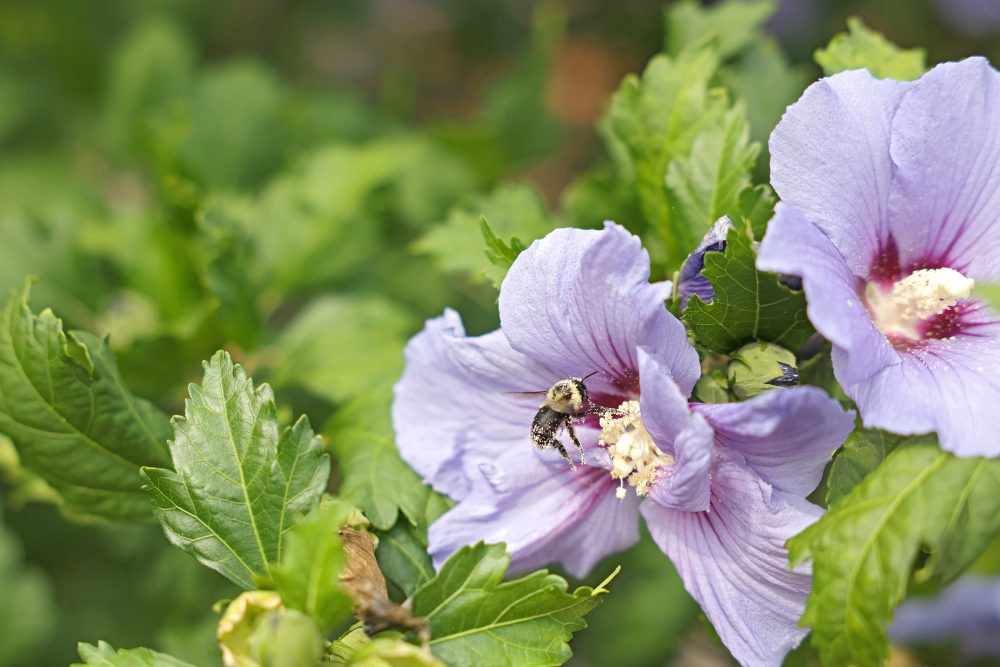
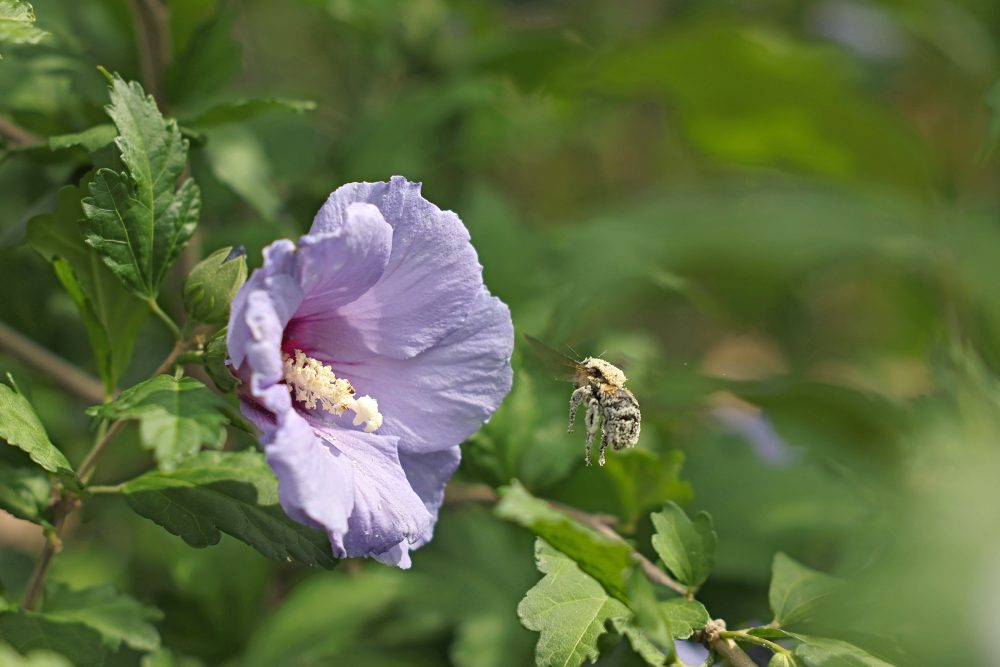
Carter’s Fungal Biology class also surveyed mushrooms throughout the fall semester, documenting species that appear only briefly. “You’d be surprised at what comes out of a tree stump or mossy log,” Carter said. “Static knowledge from a textbook with black and white drawings comes to life via a walk in the woods between classes.”
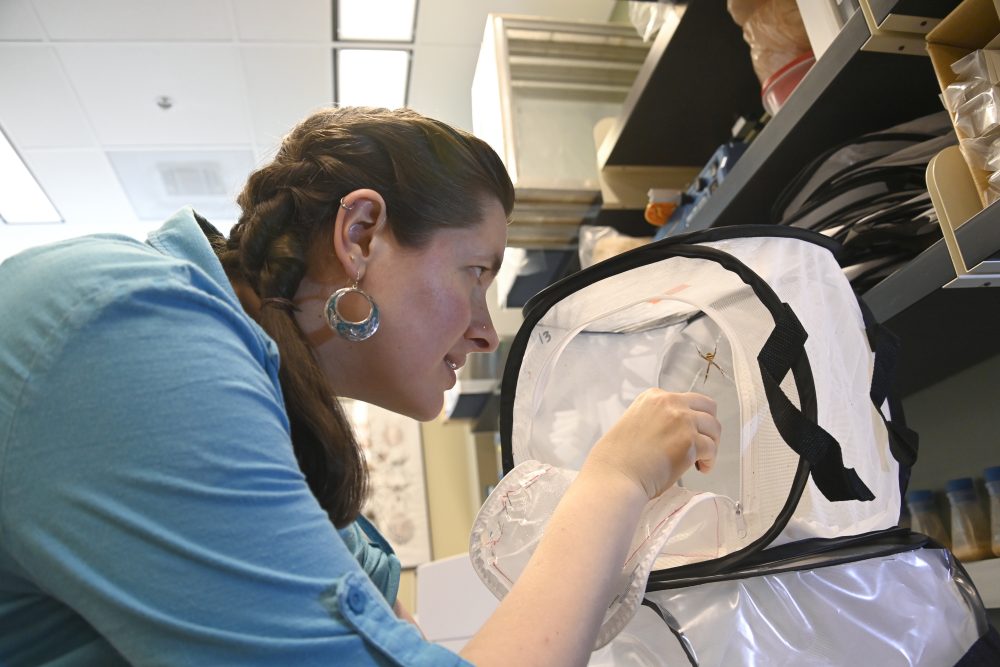
Carter appreciates the collaborations and says the Botanical Gardens team “is not only ready, but excited to work with professors wanting to bring the classroom outside or to the glasshouse.”
Spider and insect research also thrives in the gardens’ diverse habitats. “The Botanical Gardens offer students the opportunity to study complex ecological systems without having to leave campus,” said Sarah Stellwagen, assistant professor of biological sciences. “The Botanical Gardens are like open-air classrooms, where students can test hypotheses, observe biodiversity, and contribute to meaningful research.”
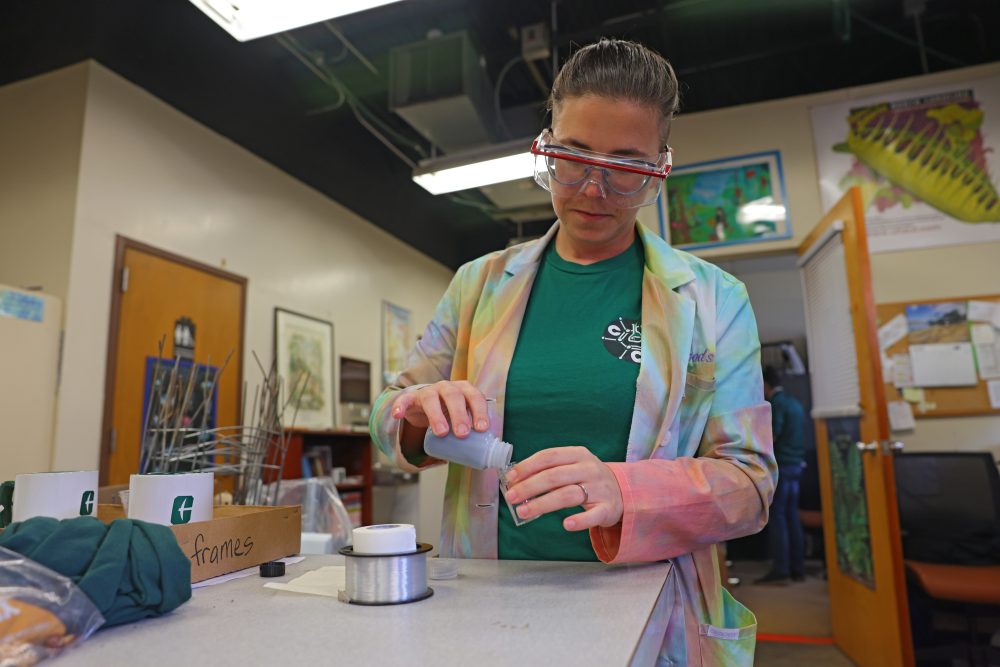
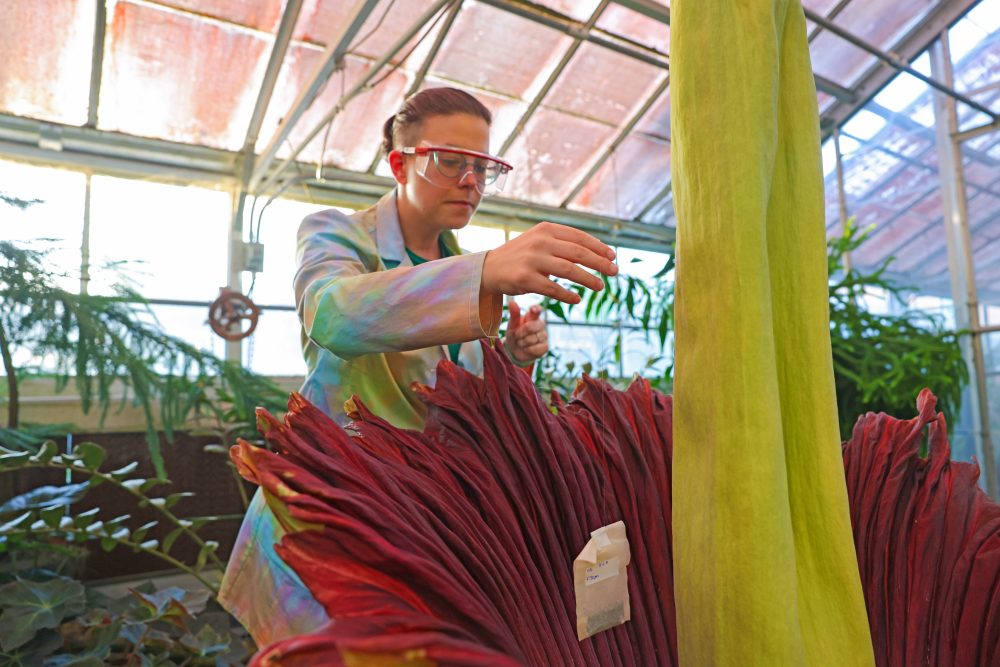
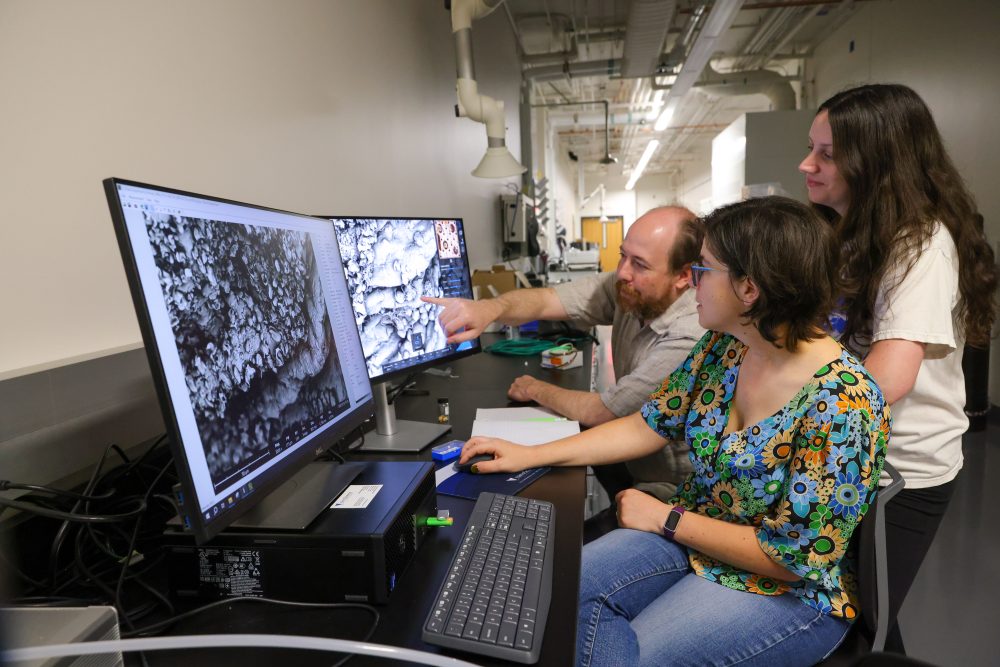
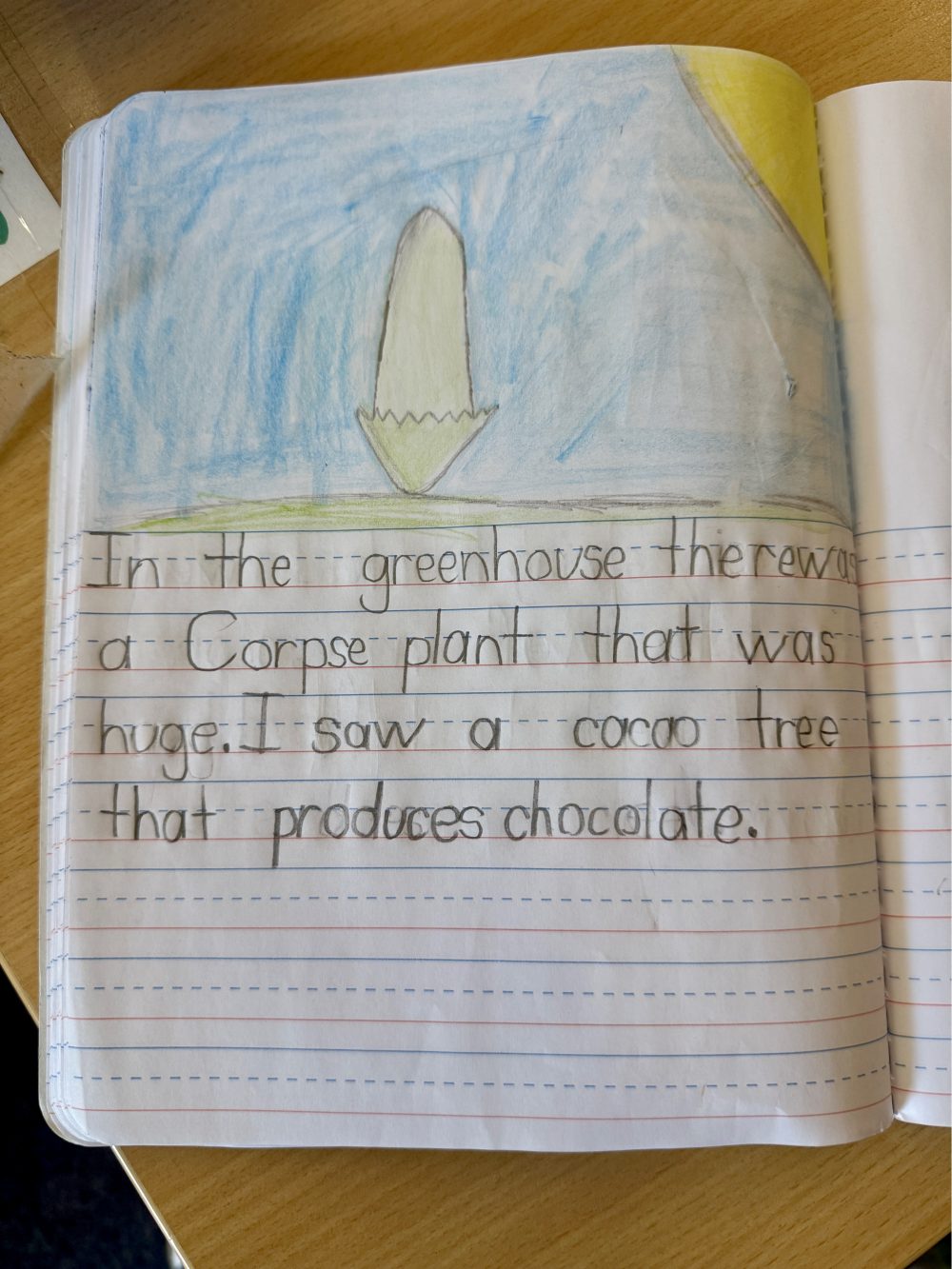
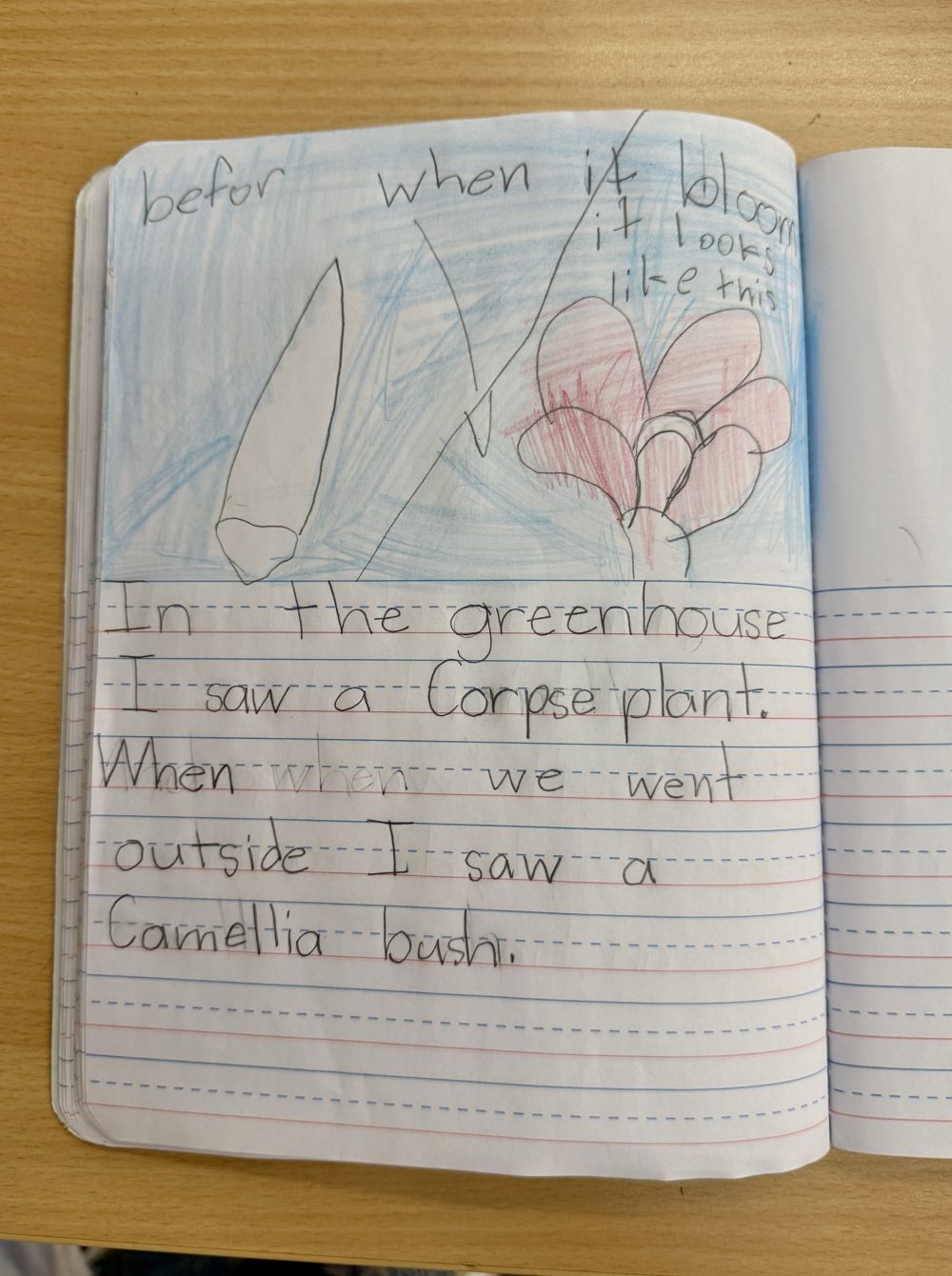
When two titan arums “Cadavera” and “Smellvis” bloomed, the plants drew thousands of visitors from across the region and provided a rare research opportunity for faculty. Chemistry faculty collected and analyzed samples to better understand the compounds responsible for its famously powerful scent, and examined pollen under the scanning electron microscope to understand more about the sticky pollen on the rare plant.
A resource for the community
Free and open to the public, the Botanical Gardens welcome tens of thousands of visitors each year. Students study under the shade of hardwoods, families explore seasonal blooms and photographers capture the ever-changing scenery. The gardens also host plant sales, workshops and educational programs that connect the University with the broader community, from Charlotte to the world.
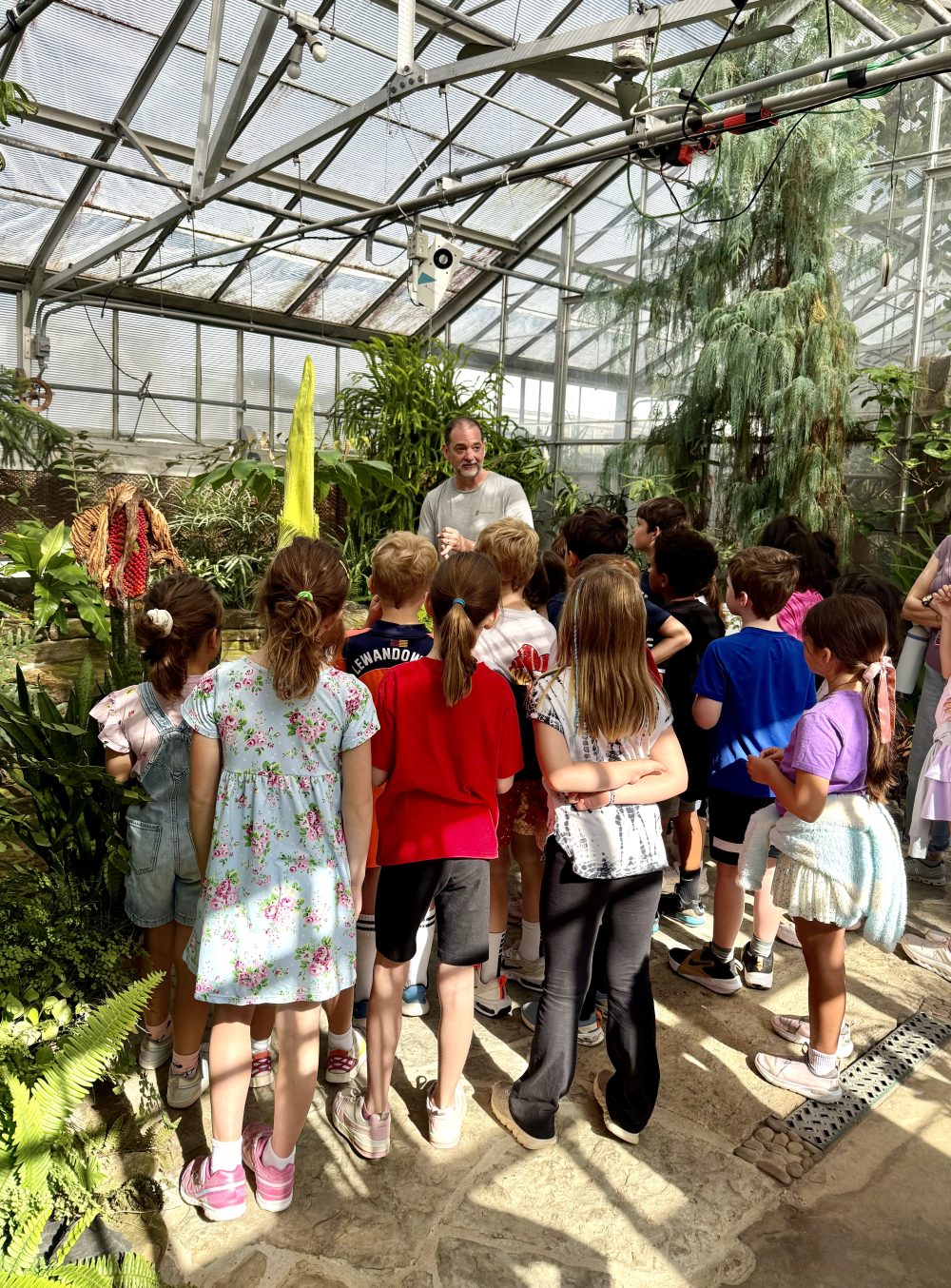
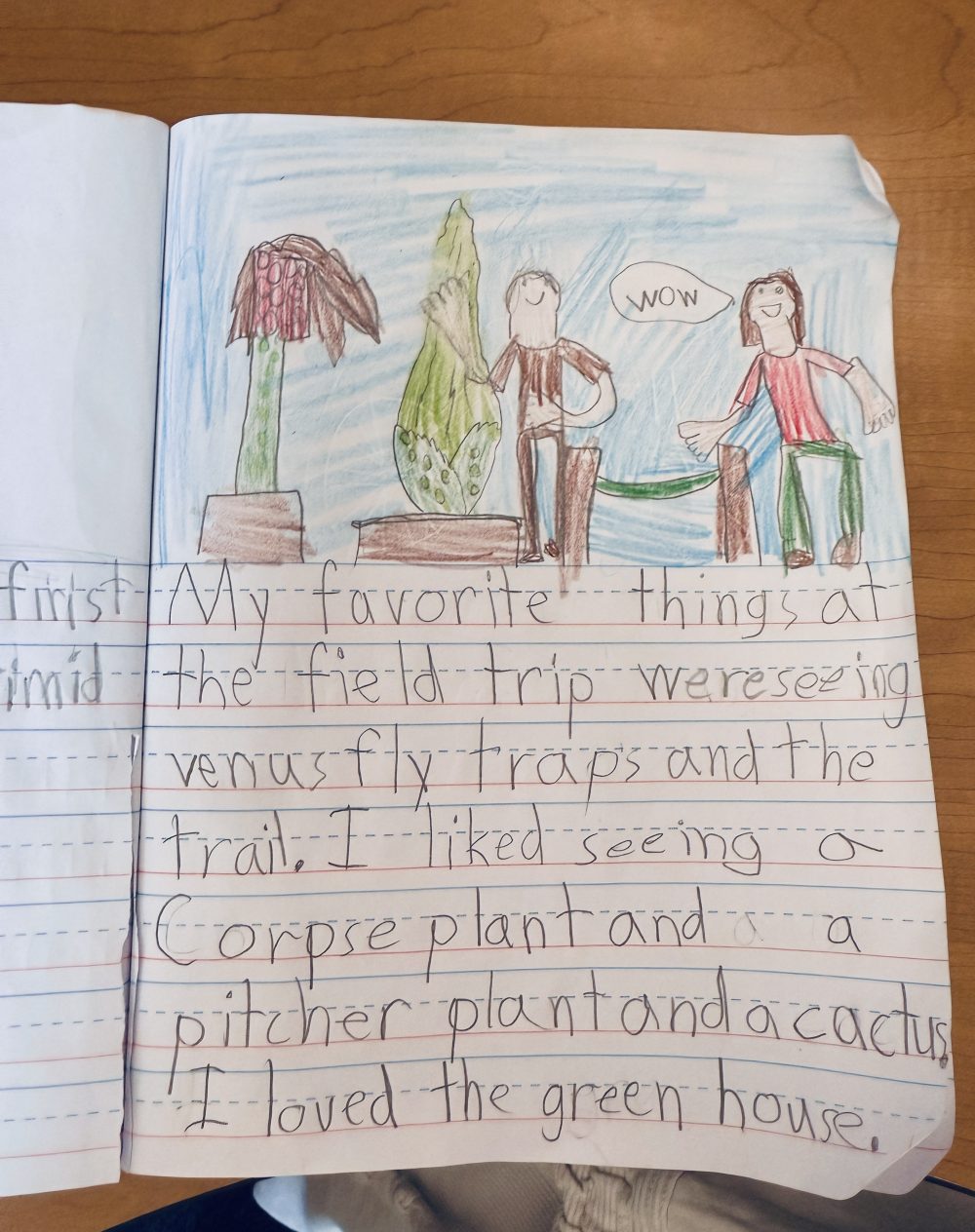

Seasonal changes bring new colors and textures throughout the year, from spring bulbs and flowering trees to summer perennials, fall foliage and winter evergreens. For home gardeners, the gardens offer endless inspiration through practical plant combinations and examples of sustainable landscaping.
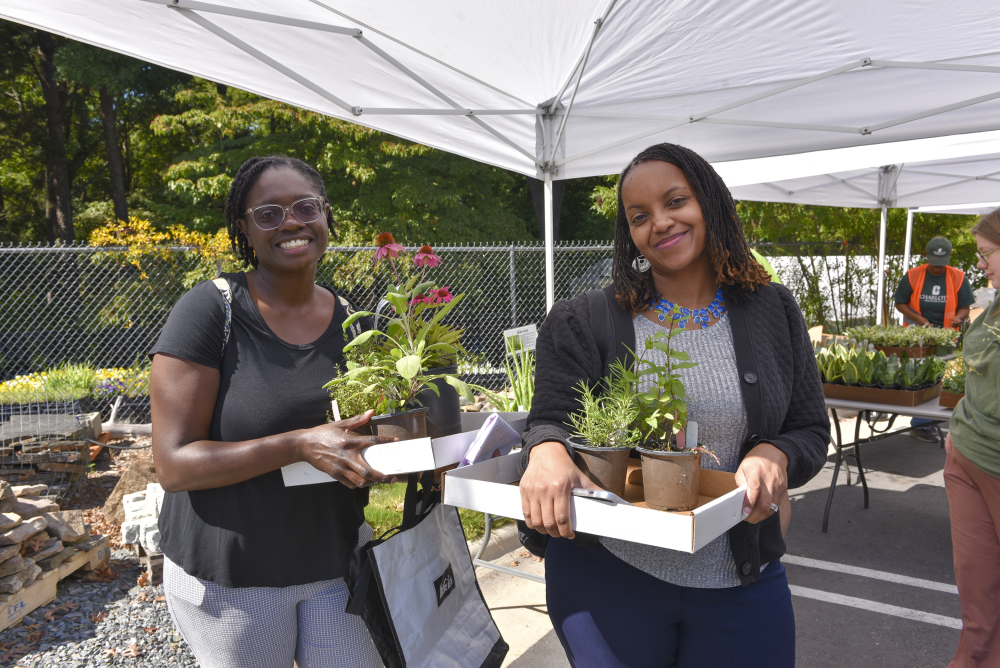
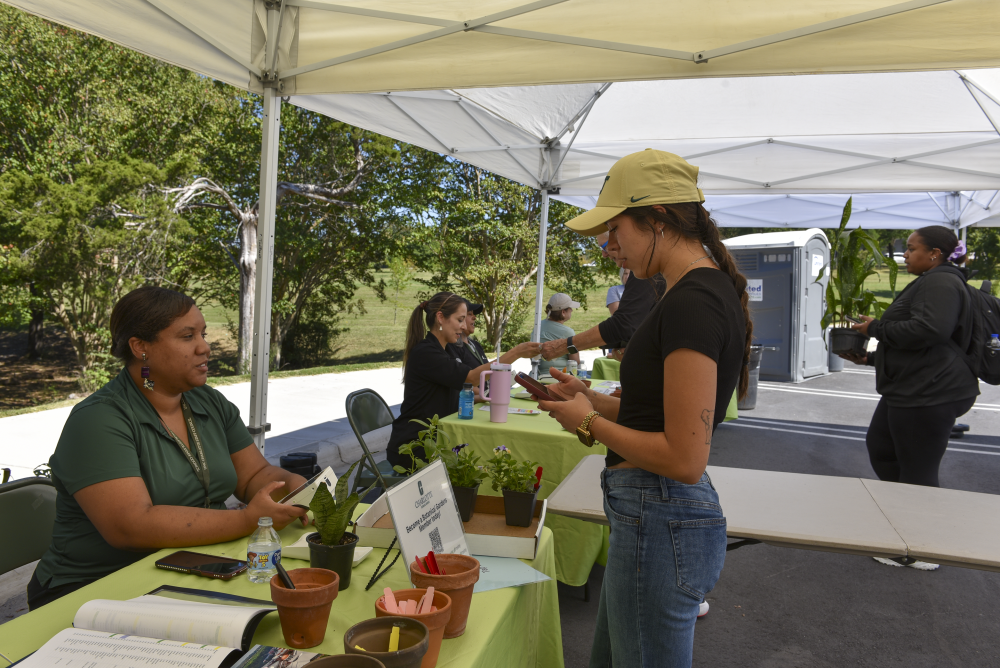
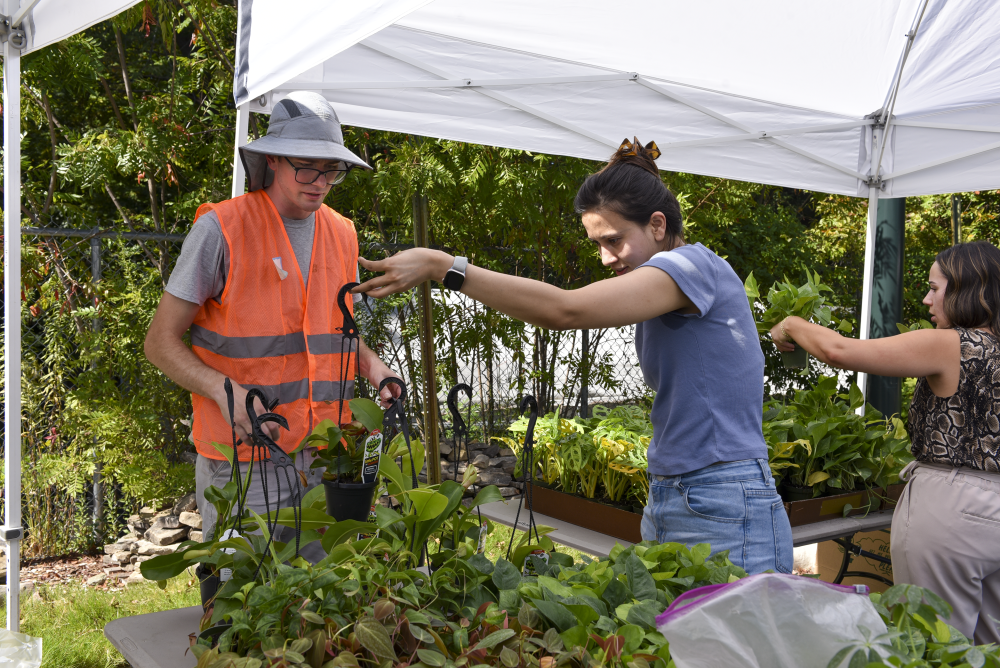
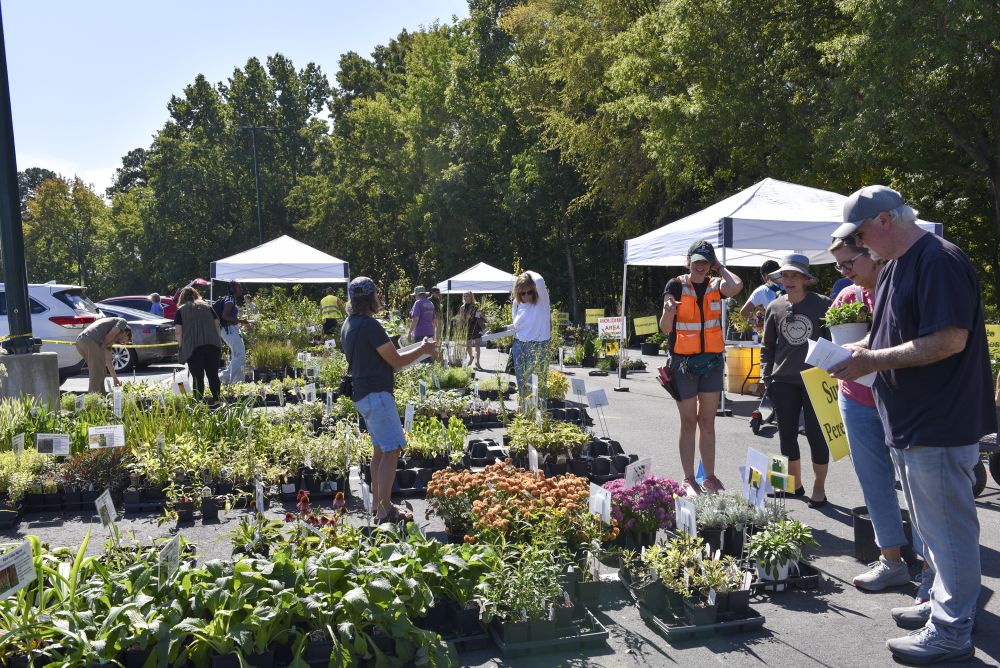
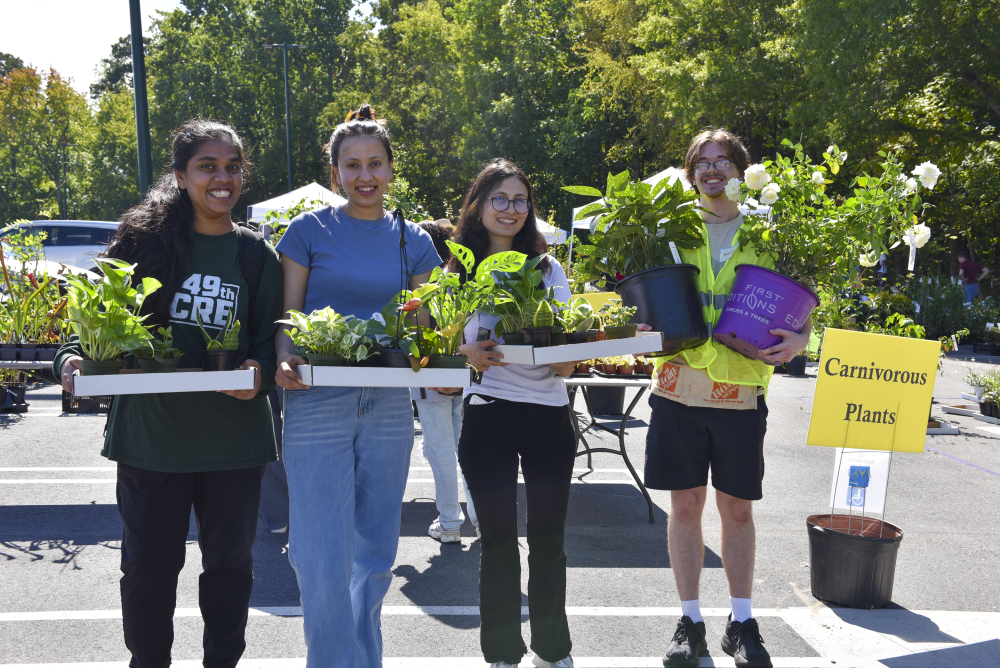
The fall and spring plant sales are open to annual members of the Botanical Gardens and UNC Charlotte students and employees one day earlier than the general public. Volunteers who can answer plant questions wear orange vests while volunteers who can tally orders and help carry plants wear green vests.
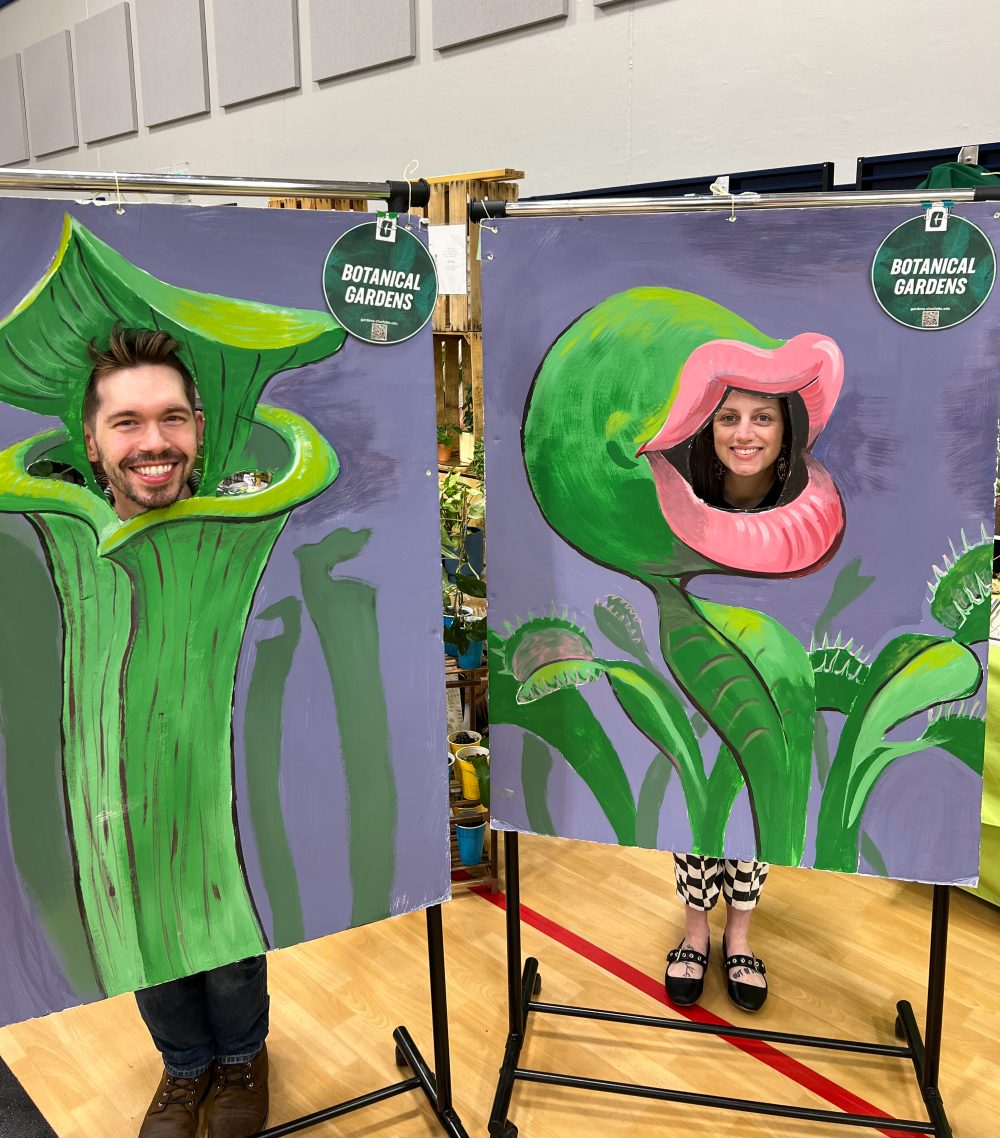
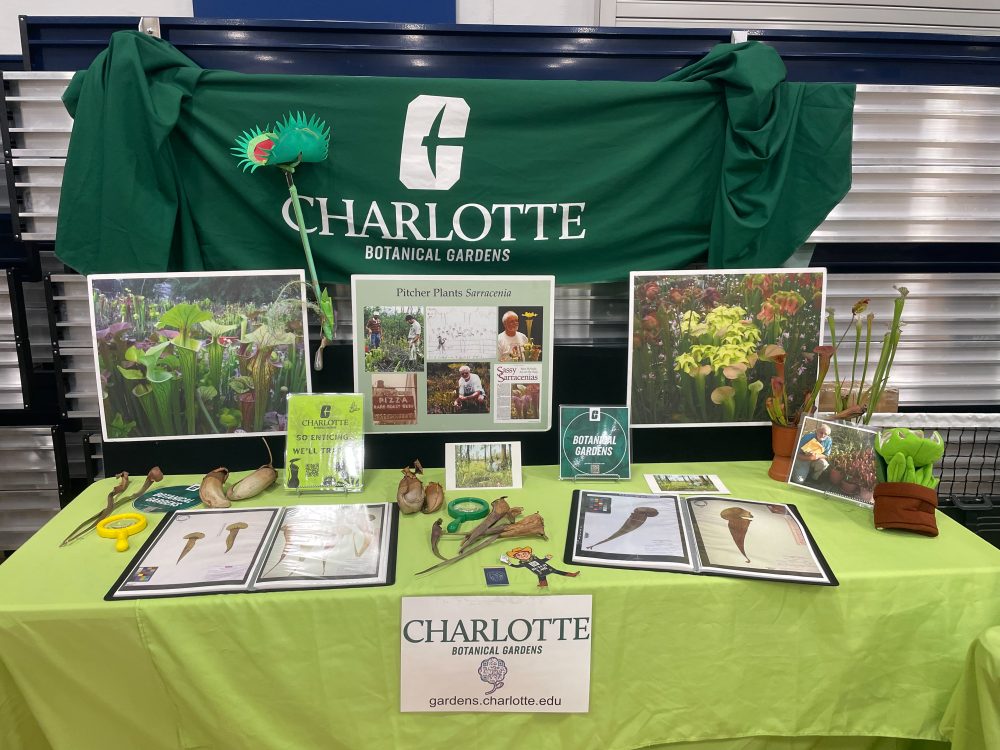
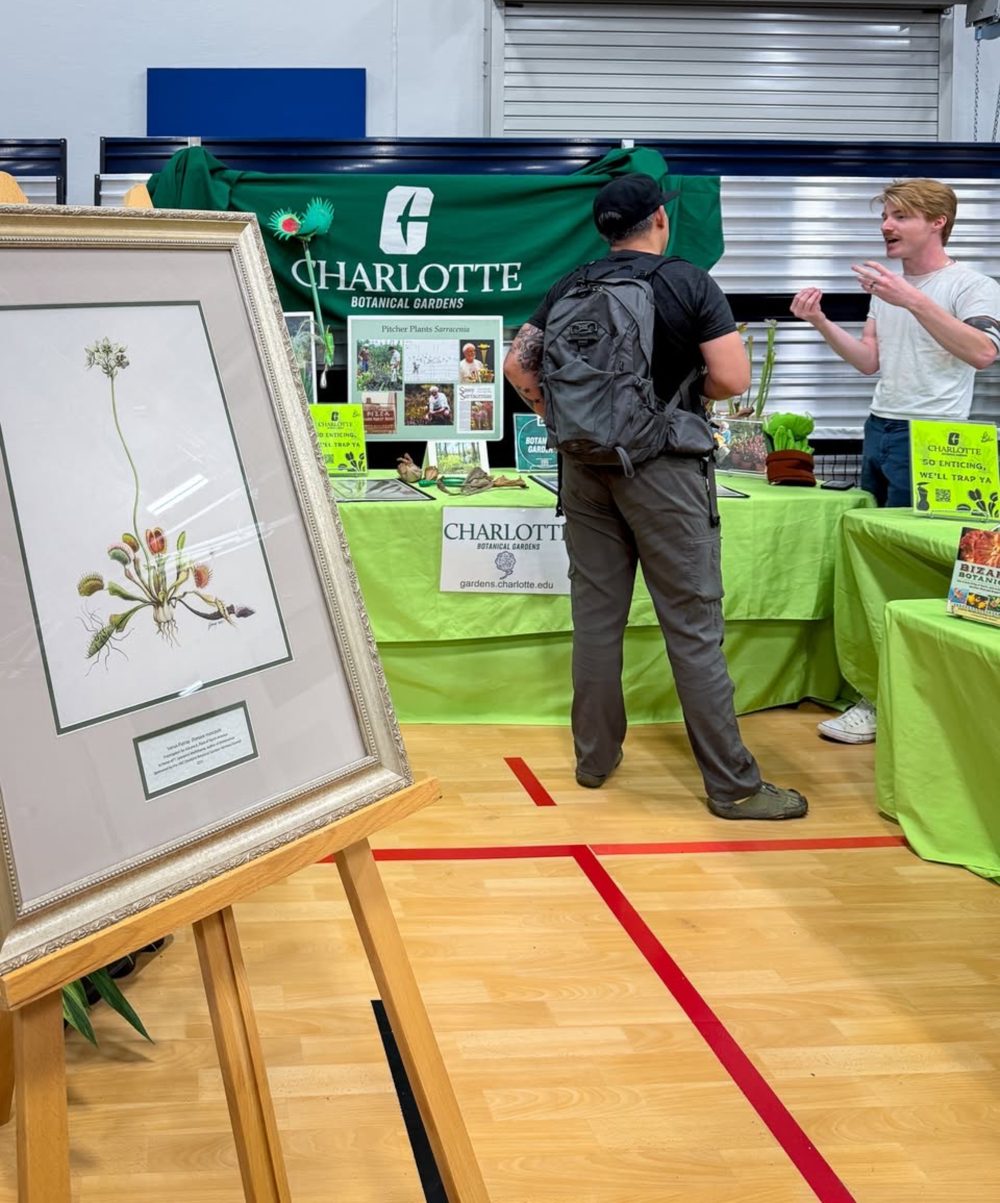
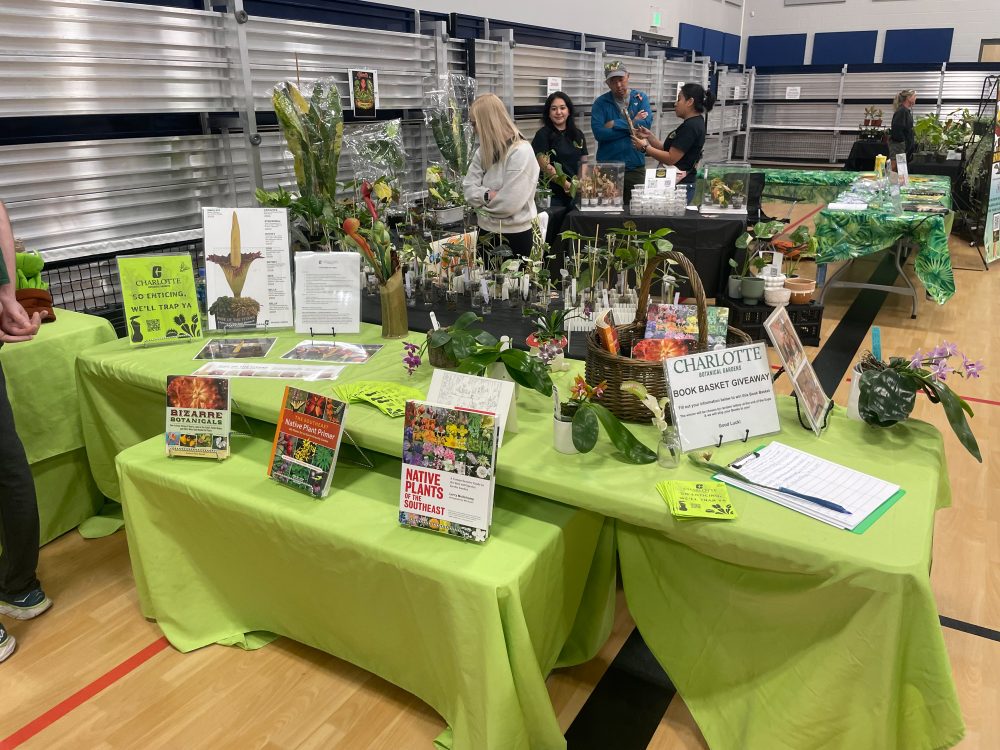
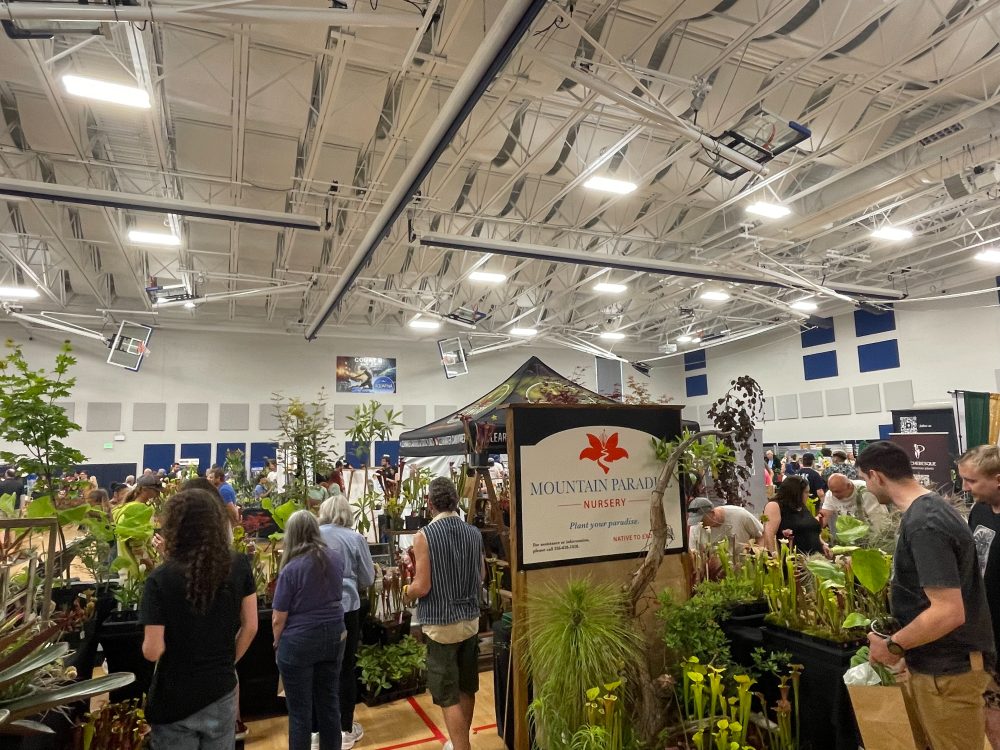
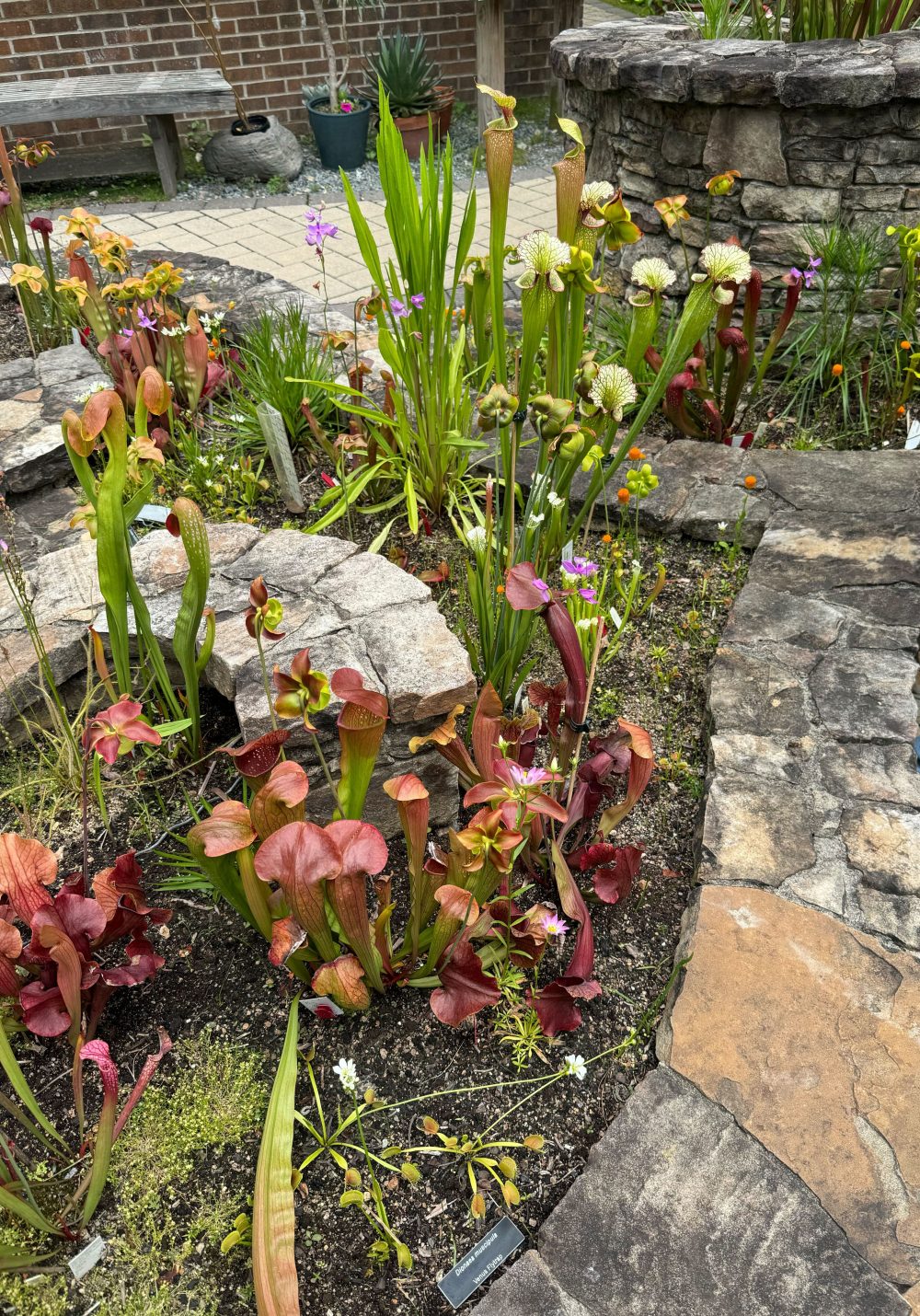
The International Carnivorous Plant Society held their annual International Carnivorous and Exotic Plant Symposium and Expo in the United States this year, so experts from the UNC Charlotte Botanical Gardens spent the weekend meeting rare species plant enthusiasts from around the world. Horticulturists educated visitors at the UNC Charlotte booth and showed off species of pitcher plants and venus fly traps native only to North Carolina.
“Plants are a perfect doorway into the natural world,” said Mariah Huffman, director of education and engagement of the Botanical Gardens. “I have spent twenty minutes with a single group unpacking how a plant grows. Moments like that remind me why plant education matters.”
An artistic inspiration
The gardens also serve as a creative stage for the arts and literature.
“Impromptu tours of the greenhouse or parts of our outdoor gardens are part of an average day for us,” said Gillman. “There’s no greater compliment than when a faculty member takes a tour and then wants to collaborate further to enhance their research, art or writing.”
Over the years, there have been concerts and choirs performing in the gardens. Tom Burch, associate professor of scenic design, in the College of Arts + Architecture, said the space has long inspired interdisciplinary collaborations.
A few years ago, theatre professors adapted scenes from Shakespeare’s “As You Like It” into a progressive, site-specific performance that guided audiences through the gardens, with Van Landingham Glen standing in as the Forest of Arden.
Next year, Burch said, faculty and students from across COA+A will collaborate on “Every Thing That Grows,” a Shakespeare-inspired project that will take up residence in the gardens. Student playwrights have already created new works based on Shakespeare’s sonnets, and music, dance and sculpture students will contribute additional pieces. Sculptures made from fungi-based myco-materials will be installed in the Glen in 2028, where they will “grow and evolve as the mushrooms in the building materials take over,” he said.
Mark I. West, professor of English, said the gardens also enrich literary studies. He often encourages students to incorporate the space into research on children’s literature. Recently, students designing a curriculum on books about trees connected their field observations to works such as “The Lorax” and “A Tree Is Nice.”
“The students all told me how much they appreciated incorporating the gardens in their research project,” West said.
McMillan Greenhouse: a global collection under glass
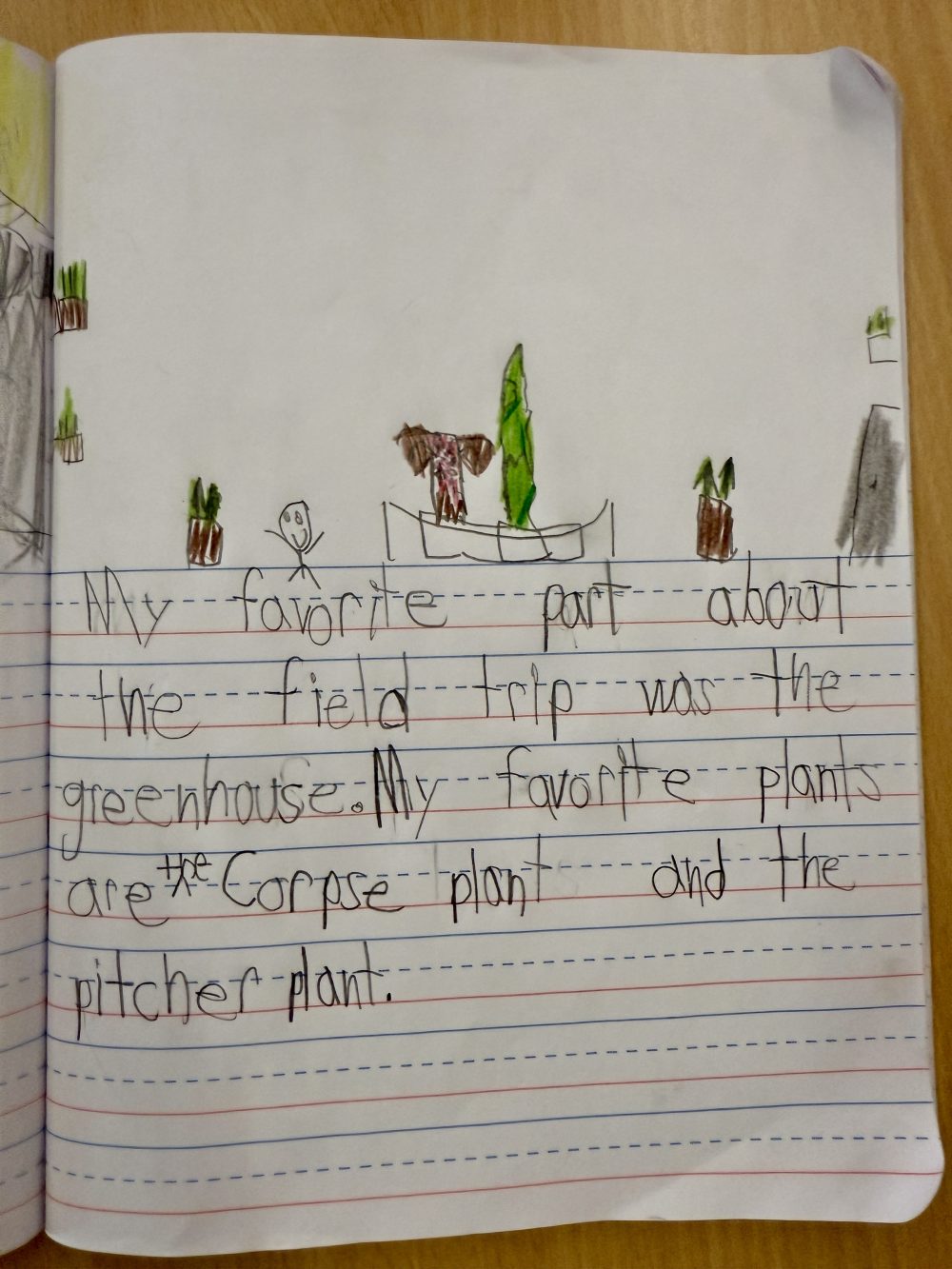
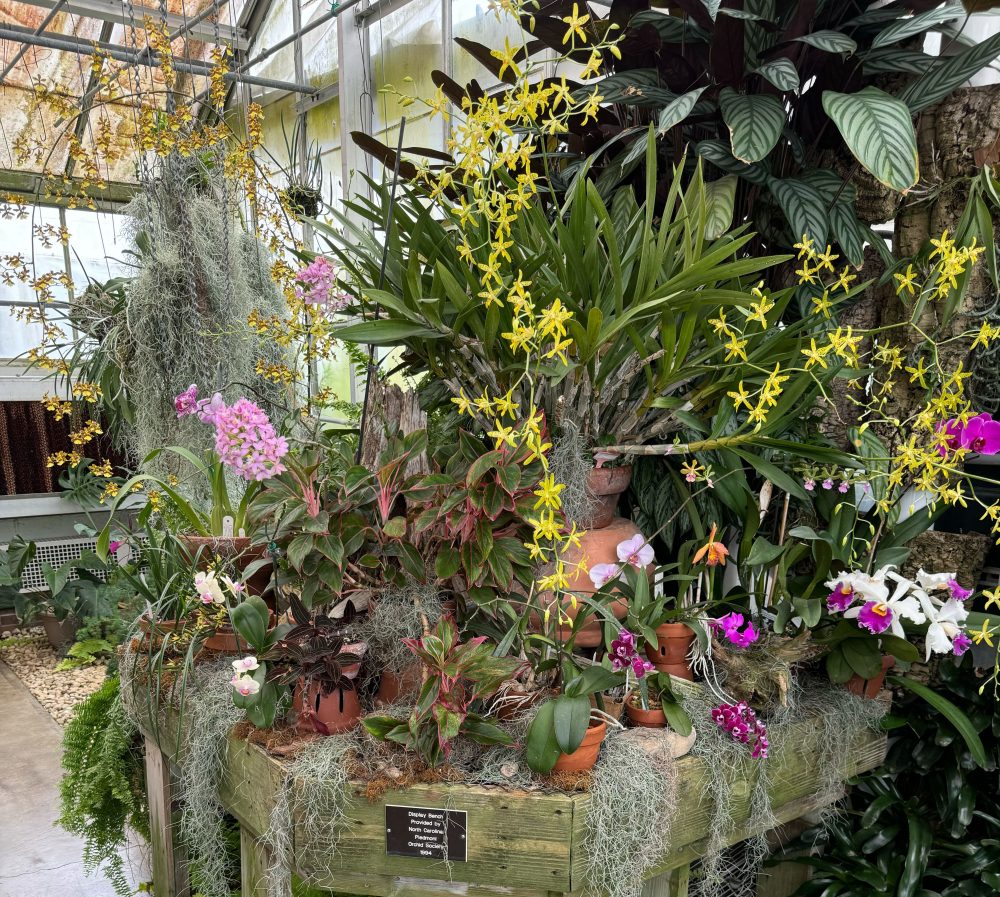
Just steps from the outdoor gardens, the McMillan Greenhouse immerses visitors in a world of tropical orchids, carnivorous plants, towering palms and desert succulents. Multiple climate-controlled rooms simulate environments from around the world, allowing students and researchers to study plant physiology and adaptation across ecosystems.
The greenhouse also serves as a public education hub, offering a close look at rare and unusual species that many people would never encounter otherwise.
A meditative retreat
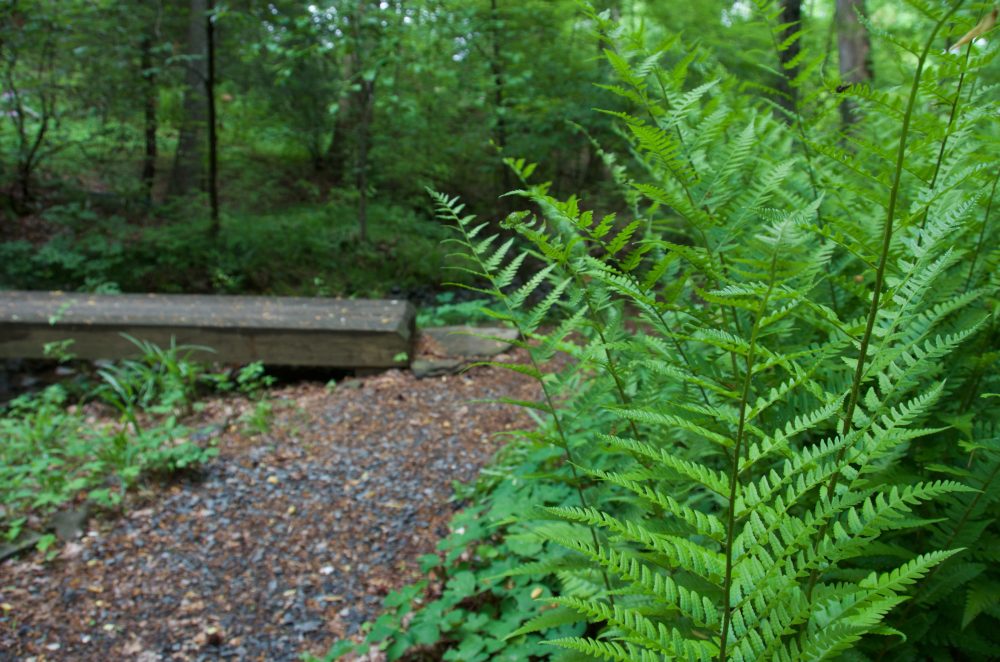
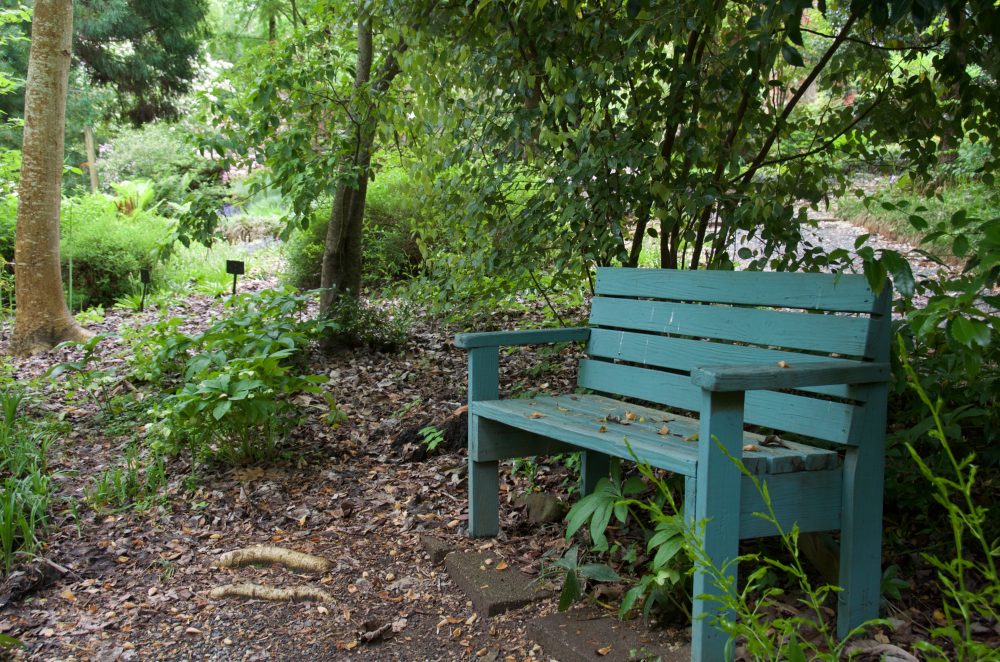
The Botanical Gardens offer several forms of guided nature‑therapy walks, giving visitors a quiet, meditative retreat into the landscape. Jennifer Bueno‑Hutchens is a Certified Nature and Forest Therapy Guide with the Association of Nature and Forest Therapy and an outdoor horticulturist at UNC Charlotte.
The walks blend instructor‑led reflection with self‑guided exploration, emphasizing that the practice is not exercise or hiking but a deliberate slowing down. Participants often use meditative art materials and learn to cultivate what Bueno‑Hutchens calls an “attitude of gratitude,” a conscious habit of noticing and appreciating the world around them.
More than a garden
What makes the UNC Charlotte Botanical Gardens truly special is the way beauty, research and education intersect. It is a sanctuary, a classroom, a laboratory and a community resource, all rooted in UNC Charlotte’s mission to expand knowledge and share it widely.
“Here at the Botanical Gardens, we absolutely love to engage with everyone. From professors to students and visitors of all ages, we want to show what nature in general, and the plant world in particular, has to offer,” said Gillman.
As the gardens continue to grow in their 60th year, so does the impact on students, faculty and visitors who discover something new with every visit to the living classroom.
How to visit
The UNC Charlotte Botanical Gardens are located at 9090 Craver Road and are open from sunrise to sunset, 365 days a year. The McMillan Greenhouse is open to the public 9 a.m. to 4 p.m. on weekdays.
Admission is free.
- Written by Jenn Conway
- Photography by Kat Lawrence and Amy Hart
- Additional photos by Jenn Conway and courtesy of Mariah Huffman and Lynn Roberson