Discovery, mentorship and outreach drive UNC Charlotte’s Dasgupta Lab
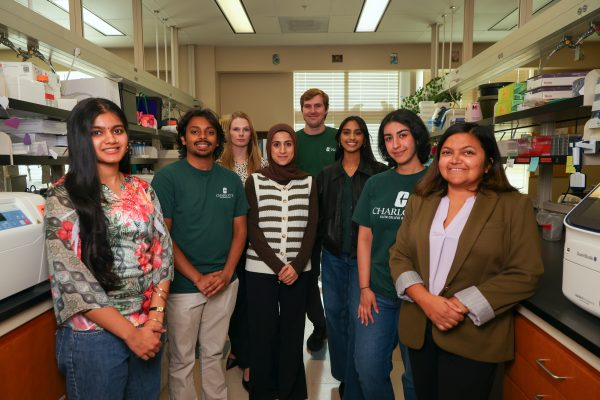
When Aneesha Dasgupta arrived at UNC Charlotte, she set out to build a research program from the ground up, assembling a team and fostering a collaborative environment where students could thrive.
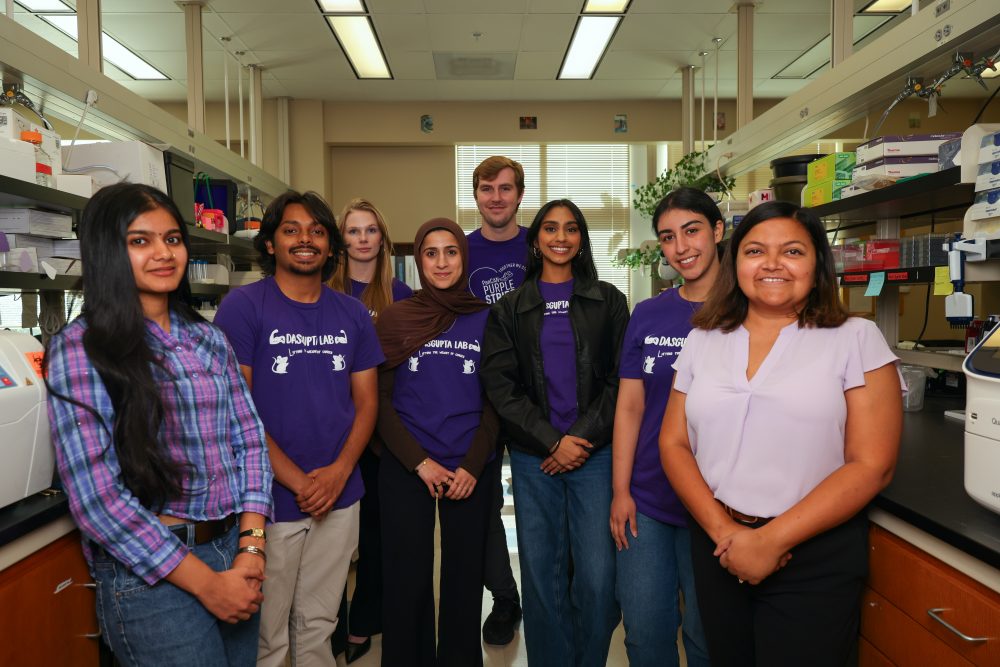
Dasgupta, assistant professor in the Klein College of Science and director of community engagement and success in the Department of Biological Sciences, leads a research team focused on a devastating wasting syndrome that affects most pancreatic cancer patients. Just over a year after opening the Dasgupta Lab in August 2025, she has established a growing research program centered on scientific discovery, student mentorship and community engagement.
“Building the lab was a huge learning curve. I was settling into a new place and building a research program from the ground up,” Dasgupta said. “But the students have made the process so much better. Training them and watching them grow as scientists has been the highlight of my time here so far.”
Investigating cachexia
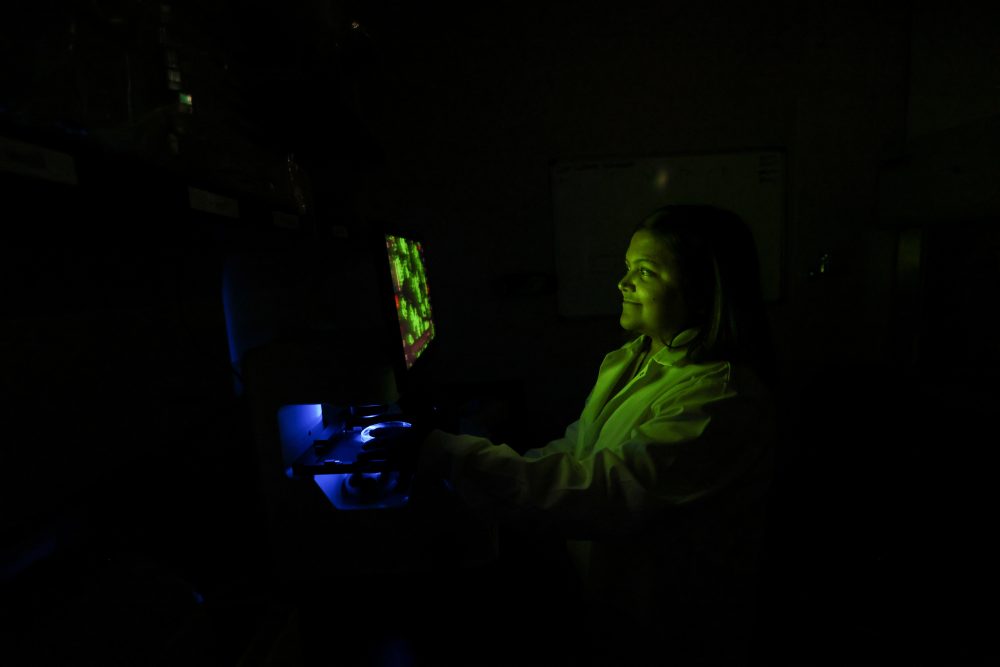
The Dasgupta Lab studies pancreatic cancer-associated cachexia (pronounced /kuh-KEK-see-uh/), a syndrome marked by involuntary weight loss that cannot be reversed through nutritional support alone. Patients with cachexia lose both muscle and fat, often resulting in poorer survival outcomes, reduced tolerance to chemotherapy and declining physical function.
Approximately 85% of pancreatic cancer patients experience cachexia, making it more common in pancreatic cancer than in any other cancer type. Yet many patients and families remain unfamiliar with the condition until they begin experiencing its effects.
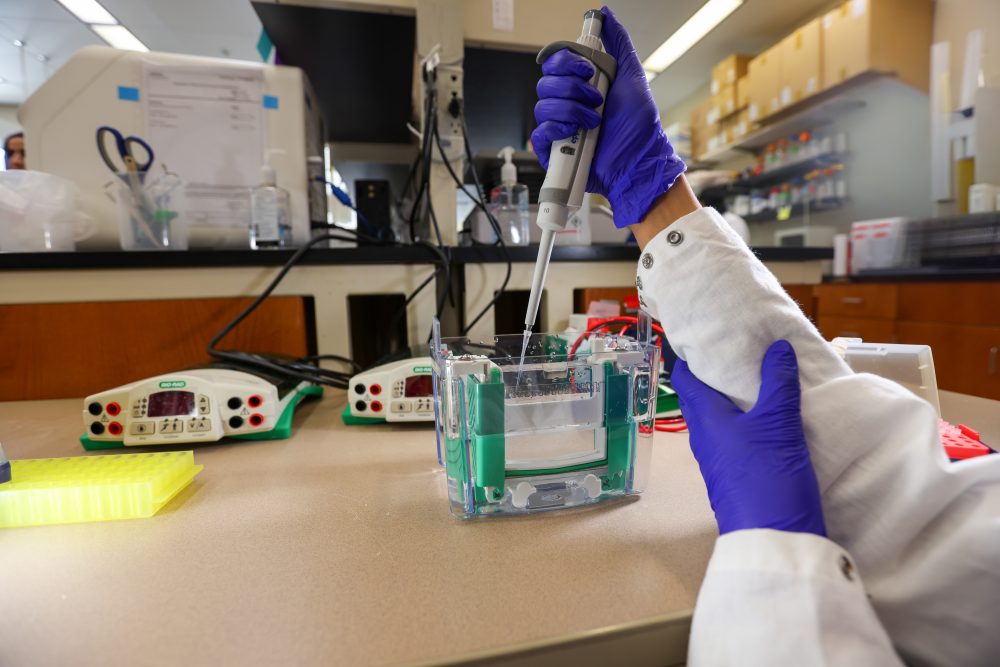
The lab’s research focuses on understanding the mechanisms behind muscle loss and identifying new therapeutic targets that could improve patient outcomes.
Dasgupta’s interest in cachexia research began unexpectedly while she was a graduate student studying pancreatic cancer metabolism.
“I had no clue what cachexia was. I just knew I wanted to pursue cancer research,” she said. “Then I learned more about cachexia and realized not much research had been done on it, and I wanted to help fill that gap.”
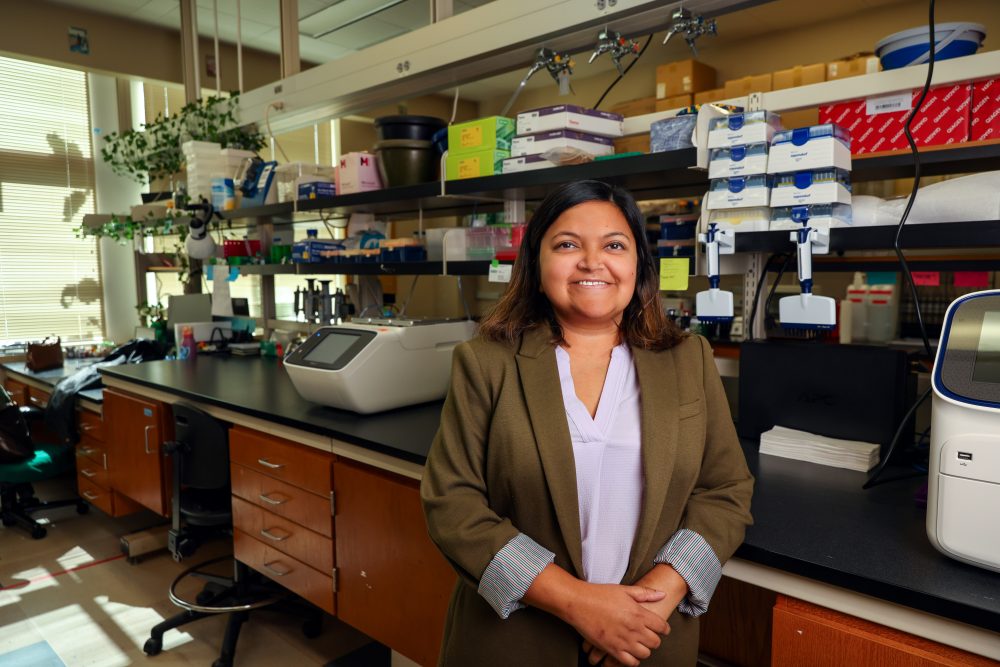
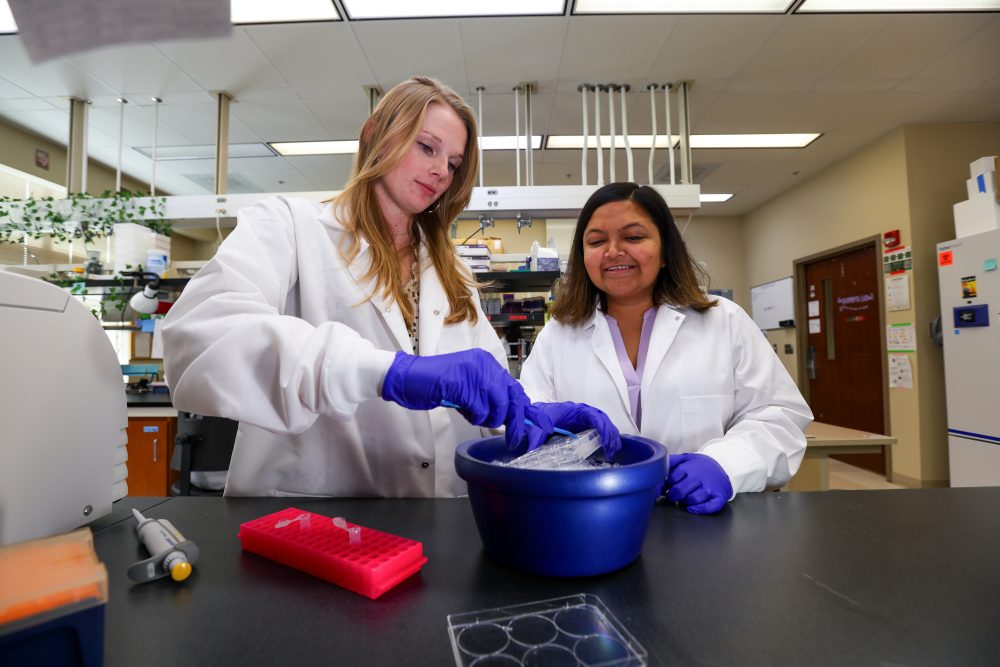
As she learned more, Dasgupta became increasingly interested in a condition that was often viewed as a consequence of cancer rather than a factor that could directly influence patient outcomes. Over the past decade, she has watched the field’s understanding evolve.
“When people hear muscle loss, they don’t always think about what that really means,” Dasgupta said. “But muscles are the reason you can swallow, you can breathe, you can stand up. When patients lose muscle, it’s not simply about weight loss. You lose the ability to do things that are essential to daily life.”
Researchers now understand that cachexia can directly affect how patients respond to treatment. Muscle loss can limit tolerance to chemotherapy, while symptoms such as unintentional weight loss and loss of appetite may also provide opportunities for earlier detection.
“Unlike breast cancer, which may be detected through a physical exam or screening, or lung cancer, which can produce noticeable symptoms such as a persistent cough, pancreatic cancer develops internally, where tumors can grow unnoticed for some time,” Dasgupta said.
Pancreatic cancer most often affects older adults, and early symptoms, including weight loss, loss of appetite and abdominal discomfort, can be easy to overlook because they often resemble common signs of aging.
“Awareness among primary care providers is essential,” she said. “If a patient is having unintentional weight loss and appetite loss, it might be the first symptom of pancreatic cancer.”
Building collaborations that accelerate discovery
Dasgupta’s path to UNC Charlotte began in India before taking her to the University of Nebraska Medical Center for doctoral studies and later to Mayo Clinic and Indiana University. When searching for a faculty position, she found both scientific opportunity and a welcoming culture in Charlotte.
“This place just spoke to me,” she said. “The faculty members are warm, and I felt that this would be the right place for me.”
Since arriving, she has developed collaborations across UNC Charlotte, partnering with researchers in biology and chemistry, including her internal mentor Pinku Mukherjee, Irwin Belk Distinguished Professor of Biological Sciences, whose research also focuses on pancreatic cancer. Other collaborators include Andrew Truman, professor of biological sciences; Susan Arthur, associate professor of applied physiology, health and clinical sciences; and Eva Ge, assistant professor of chemistry.
“There are a lot of people at UNC Charlotte who complement my research in a way that I hadn’t thought of before, because I didn’t have them in my academic sphere,” she said. “And they also just make this work a lot of fun.”
Her collaborative network extends beyond campus through partnerships with clinicians and researchers studying other aspects of cachexia, including fat metabolism and liver changes associated with the syndrome. Access to patient samples and clinical expertise allows the lab to compare findings from cell and animal models with observations from patients, strengthening the translational impact of the research.
Dasgupta also maintains strong ties with advocacy organizations, including the Charlotte affiliate of the Pancreatic Cancer Action Network, which raises awareness, supports patients and caregivers and advocates for pancreatic cancer research.
Training future scientists
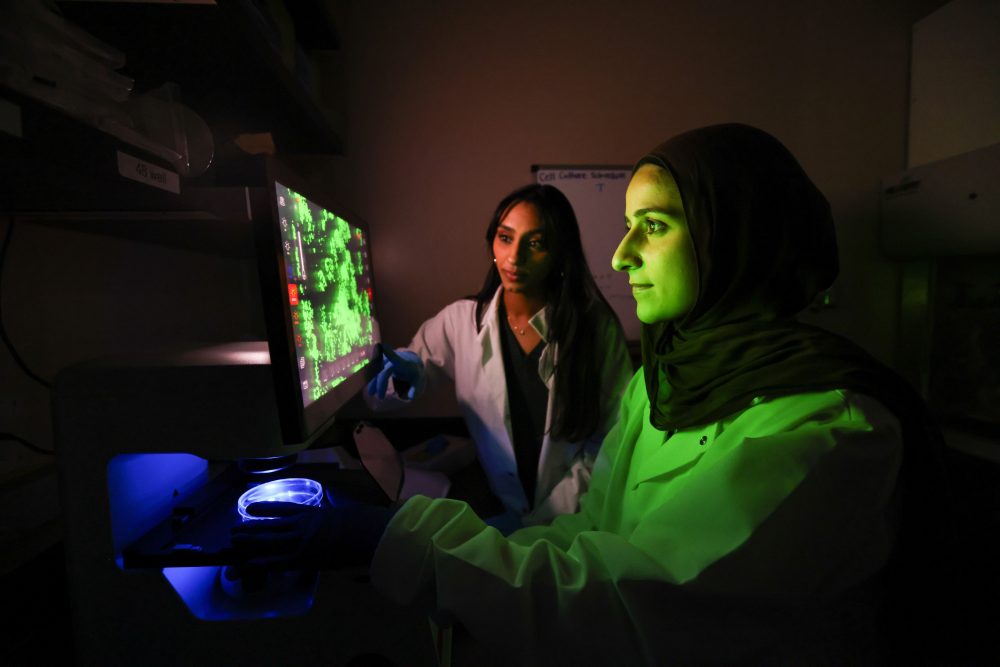
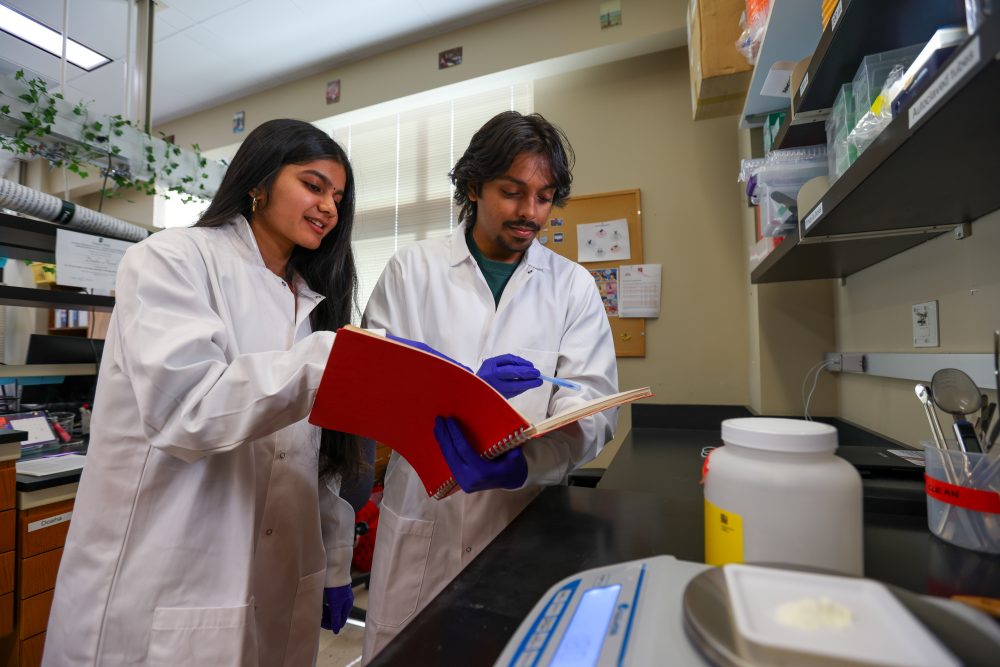
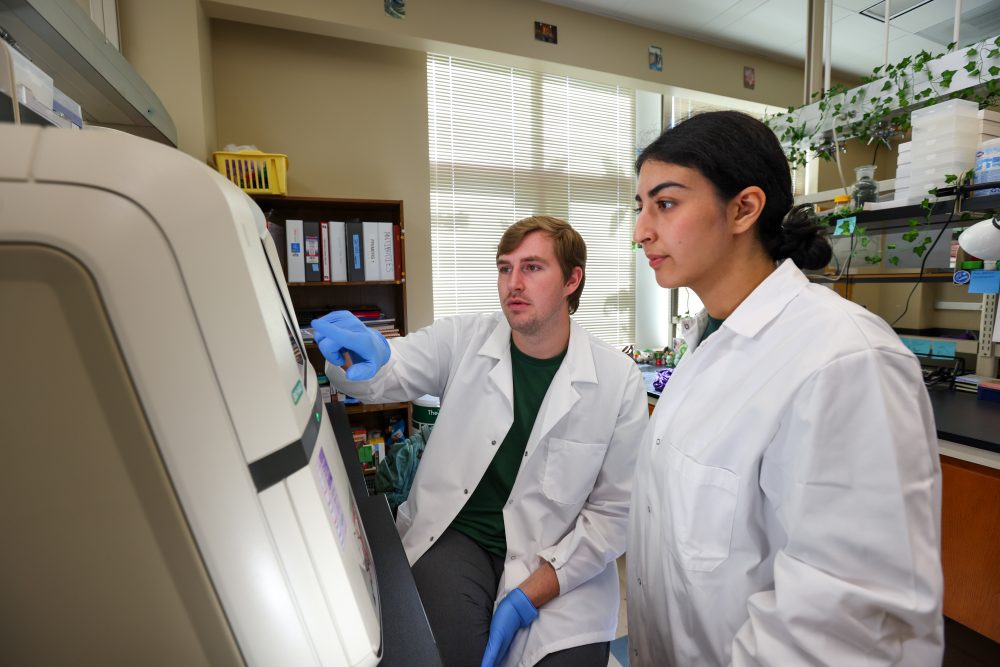
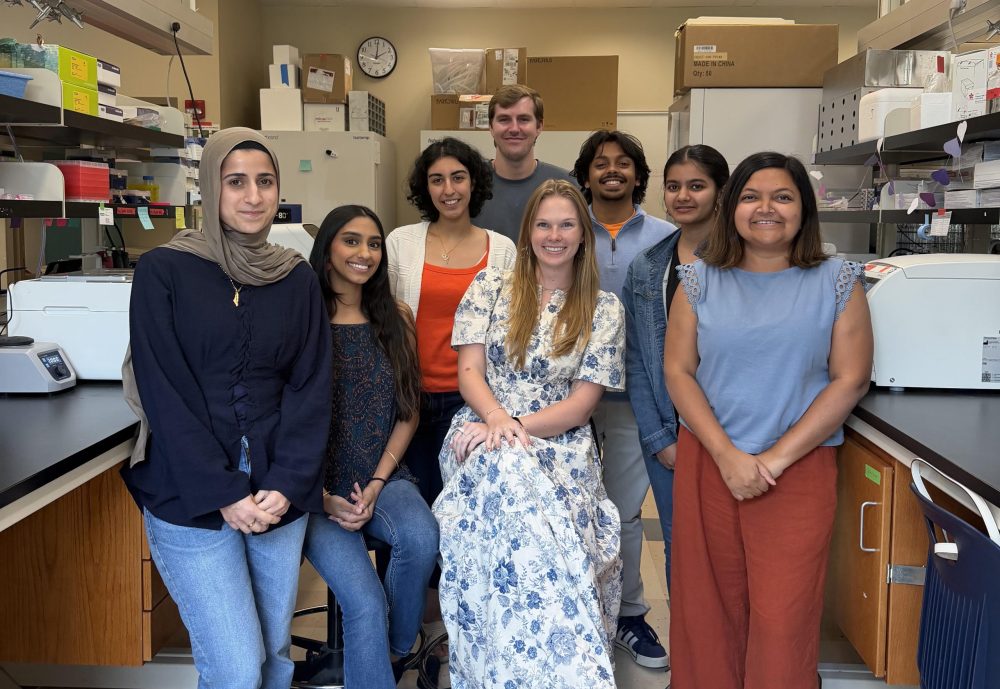
The Dasgupta Lab includes doctoral, master’s and undergraduate researchers working on projects tied to funded studies and ongoing investigations. Undergraduate students are paired with graduate student mentors, creating opportunities for hands-on learning while fostering a collaborative research environment.
“Many of the students who come into my lab are first-generation students,” Dasgupta said. “Most arrive thinking about careers in medicine and have never considered research as a profession. Being able to show them this path and help them discover what is possible through science is incredibly rewarding.”
For doctoral student Doaha Awad, the lab offered an opportunity to pursue cancer research while working alongside a mentor whose values aligned with her own.
“After completing my master’s degree at UNC Charlotte and beginning to consider pursuing a Ph.D., I knew I wanted to continue building a career that integrated oncology research with a strong emphasis on patient well-being,” Awad said. “When I first met Dr. Dasgupta, I immediately recognized an alignment in our values and perspectives on research.”
She was drawn not only to the lab’s cancer research but also to its emphasis on advocacy, outreach and creating opportunities for others.
“For me, the Dasgupta Lab provides an environment where I can pursue meaningful cancer research while also engaging with patients, families and the community in ways that truly reflect the kind of scientist I hope to become,” Awad said.
Students are encouraged to present their work at research conferences, professional meetings and University symposiums, opportunities that are already yielding impressive results.
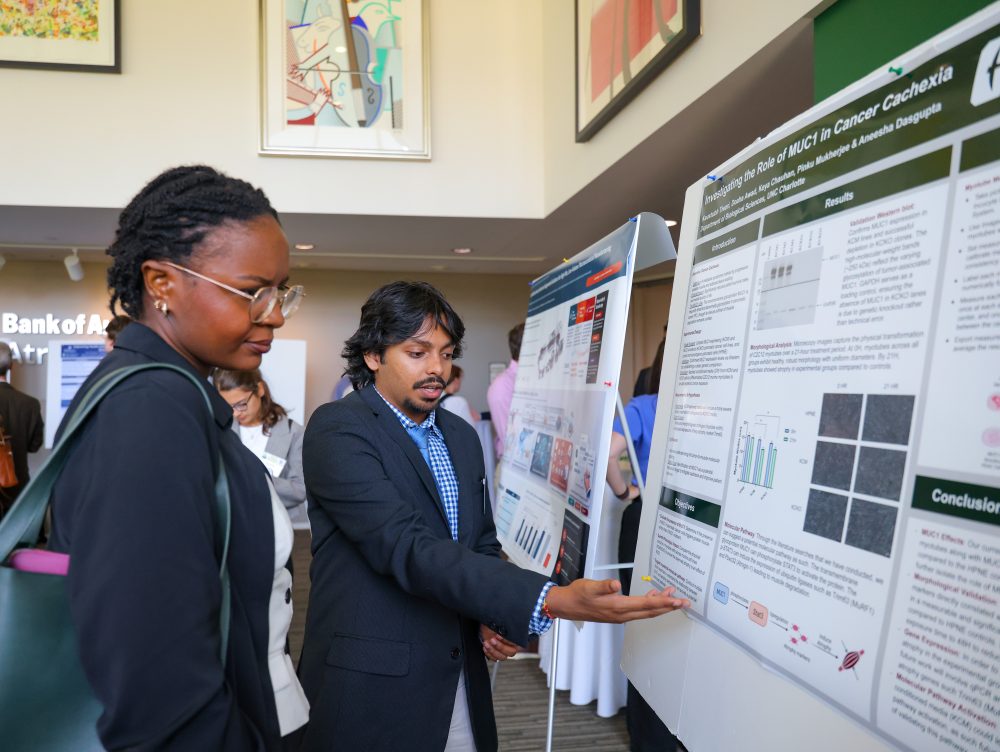
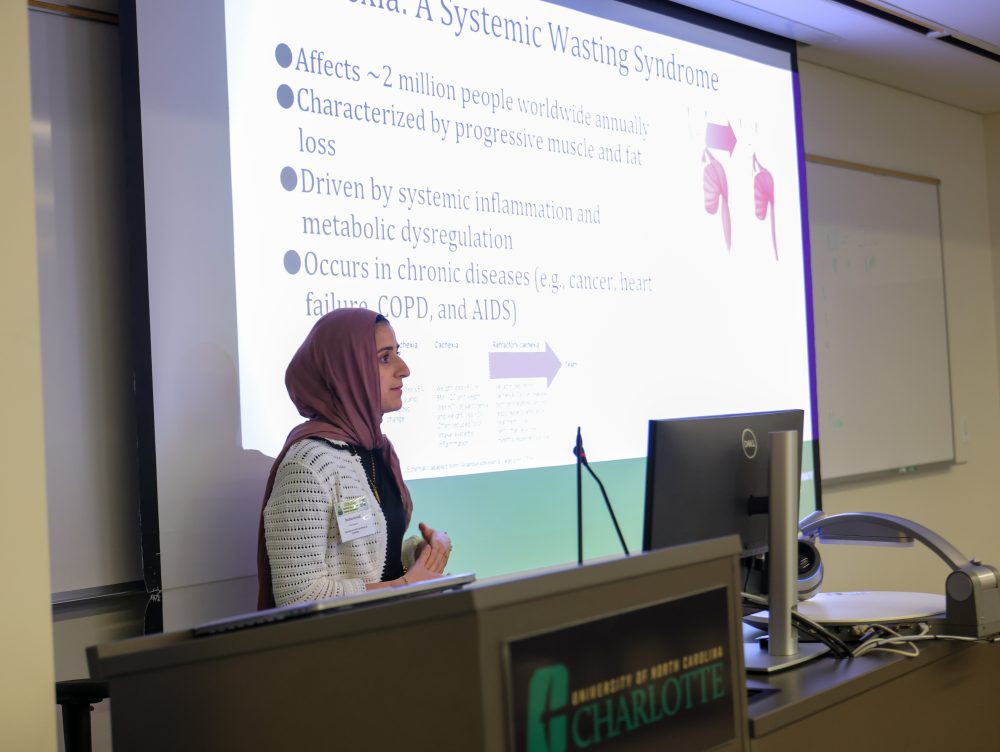
“Participating in cancer research has deepened my understanding of science by showing me the interconnectedness between the topics I learn in my classes and the experiments I perform in the lab,” said undergraduate researcher Kaustubh Tiwari. “My most rewarding experiences in the lab have been the opportunities where I get to present my lab’s research to an intrigued audience at events such as the O.U.R. Symposium and the Biomedical Sciences Symposium.”
Beyond developing technical expertise, Dasgupta hopes students leave the lab with a broader understanding of the role scientists play in society.
“I hope their curiosity never dies,” Dasgupta said. “Being a scientist means contributing beyond the lab. Whether it’s mentoring students, training future researchers or helping people better understand science, we have a responsibility to serve our communities.”
Community engagement with purpose
For Dasgupta, meaningful research requires meaningful engagement with the people it serves.
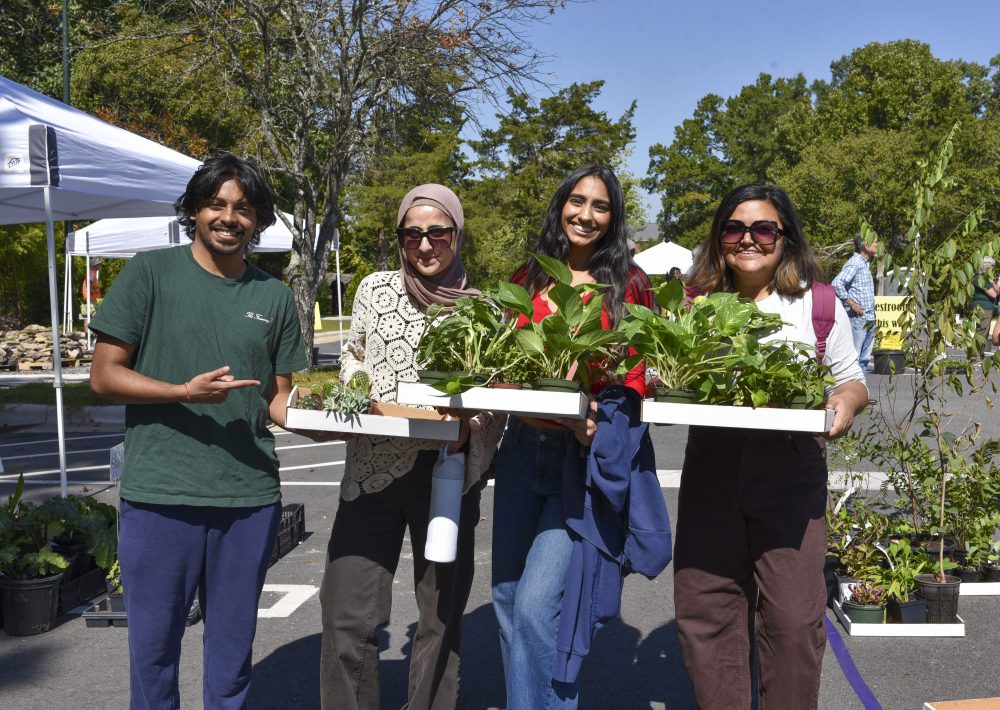
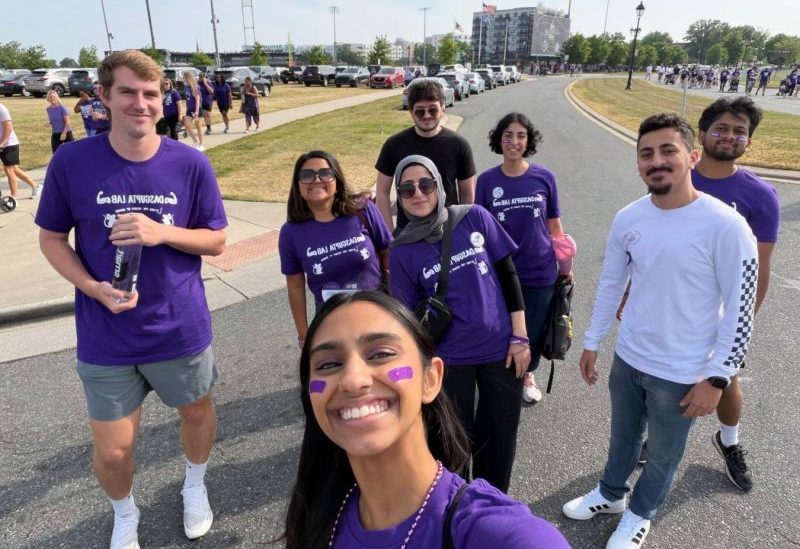
As director of community engagement and success, she participates in outreach efforts including PanCAN community meetings and PurpleStride Charlotte, where researchers, patients, caregivers and advocates come together to raise awareness and support pancreatic cancer research. The lab participated in its first PurpleStride Charlotte event in 2026, further strengthening its connection to the region’s pancreatic cancer community.
“Meeting members of the patient community is heartbreaking, but it’s also very grounding,” Dasgupta said. “When you’re in the lab every day, it’s easy to become focused on experiments and data. Talking with patients and caregivers reminds you of the real impact this disease has on people’s lives and why this work matters.”
Those experiences have also shaped the way students view their roles as scientists. One of Awad’s earliest experiences in the lab was participating in PurpleStride Charlotte.
“It was incredibly impactful to see researchers, patients, survivors and families come together with a shared purpose of raising awareness, supporting those affected by pancreatic cancer and advancing research toward better outcomes,” Awad said.
The experience reinforced her belief that scientists have responsibilities beyond the laboratory.
“Scientists have an opportunity to use their knowledge, platforms and experiences to advocate for patients, increase awareness and help create meaningful change both within and beyond the scientific community,” Awad said.
Dasgupta’s commitment to outreach extends beyond Charlotte. She is actively involved in the Cancer Cachexia Society, an international organization dedicated to advancing cachexia research and education. The organization has played an important role in her development as a researcher, providing opportunities to present her work, connect with mentors and build collaborations.
She also co-founded Women in Cachexia, an initiative that highlights the achievements of women researchers and hosts seminars exploring both scientific discoveries and personal career journeys.
Future treatments
The lab is supported by a K99 Pathway to Independence Award from the National Cancer Institute for “Targeting PERP in PDAC Tumor and Cancer Cachexia.”
The project examines the role of the protein PERP in pancreatic ductal adenocarcinoma and cancer cachexia, with the goal of better understanding the mechanisms that drive tumor progression and muscle wasting.
Another promising area of investigation involves antihistamines, medications commonly used to treat allergies. The team is exploring whether these drugs could help combat muscle wasting while also improving cancer outcomes. Because they are already widely available, antihistamines could offer a more affordable and accessible treatment pathway if future studies prove successful.
“We are hopeful about this project because antihistamines are already FDA-approved,” Dasgupta said. “It would be a more accessible approach for patients and could potentially move much more quickly than developing an entirely new drug.”
While the lab’s work is focused on identifying new therapeutic approaches, students remain closely connected to the people the research aims to help. For Awad, the research remains deeply personal.
“Knowing someone affected by this disease exposed me to the profound impact on not only the patients but also their families,” she said. “It is a reminder that behind every research question, experiment and potential discovery there are individuals and families hoping for better outcomes. It reminds me why this research matters and reinforces my commitment to contributing to a field where there is still such a significant need for progress.”
Whether mentoring students, engaging with patients and advocates or pursuing new therapeutic targets, Dasgupta sees each aspect of her work as part of the same mission to improve outcomes for people facing one of the deadliest forms of cancer.
“In my field, quality of life is the biggest thing,” Dasgupta said. “Chemotherapy takes a toll on patients, and cachexia does too. If we can help patients maintain their strength, tolerate treatment better and have a better quality of life, even during the time they have left, that would be incredibly meaningful.”
Learn more about the Klein College of Science’s pancreatic cancer research
- UNC Charlotte’s Pinku Mukherjee advancing new paths for pancreatic cancer detection and treatment
- UNC Charlotte’s Dasgupta Lab shines light on cancer-related weight loss
Written by Emily Hamm
Photos by Kat Lawrence and courtesy of Aneesha Dasgupta