UNC Charlotte’s Pinku Mukherjee advancing new paths for pancreatic cancer detection and treatment
Expert Q&A on bringing innovation from the lab to Patients
Pancreatic cancer is one of the world’s deadliest forms of cancer, so researchers at UNC Charlotte are working to better understand the disease and develop more effective ways to detect and treat it.
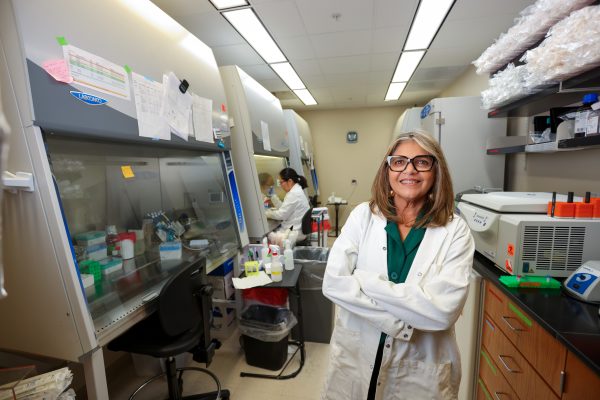
Pinku Mukherjee, the Irwin Belk Distinguished Professor in Cancer Research in the Klein College of Science, has spent more than two decades studying the immunobiology of pancreatic cancer. Her research focuses on pancreatic ductal adenocarcinoma, PDAC, the most common form of the disease, and the tumor microenvironment that helps cancer evade treatment.
Mukherjee’s laboratory investigates how chronic inflammation and dense stromal tissue surrounding tumors contribute to treatment resistance while helping tumors escape detection by the immune system. Her team also studies MUC1, a protein overexpressed in most pancreatic adenocarcinomas that is associated with metastasis and drug resistance. Through this work, the lab has developed immunotherapeutic strategies that, when combined with standard chemotherapy, have improved survival in preclinical models and may help pave the way for future treatment options.
In recognition of Pancreatic Cancer Awareness Month, Mukherjee participated in a Q&A and discussed the challenges of treating the disease, the importance of collaboration and commercialization, and what gives her hope for the future.
Why is pancreatic cancer one of the most difficult cancers to treat?
Pancreatic ductal adenocarcinoma, or PDAC, accounts for about 90% of pancreatic cancer cases and often develops without noticeable symptoms. The precursor lesions that can eventually develop into cancer are microscopic and difficult to detect with current imaging technologies. By the time many patients are diagnosed, the disease has already spread, making treatment much more challenging.
Pancreatic cancer remains one of the deadliest cancers because of both late diagnosis and the difficulty of accurately determining disease stage. Worldwide, hundreds of thousands of people are diagnosed with pancreatic cancer each year, and survival rates remain stubbornly low.
During Pancreatic Cancer Awareness Month, what do you wish more people understood about the disease?
I wish more people recognized the warning signs and sought medical care when symptoms persist. These symptoms can include unexplained weight loss, abdominal or back pain, jaundice, persistent itching and newly diagnosed diabetes, particularly in people with a family history of pancreatic cancer.
Early detection is critical to improving survival. We urgently need better diagnostic tools that combine blood-based biomarkers with advanced imaging technologies to identify pancreatic cancer earlier and more accurately. I am also encouraged by the emergence of KRAS-targeted therapies, which represent a promising new option for some patients.
What are some of the biggest questions researchers are working to answer?
One of the most important questions is how to detect pancreatic cancer before symptoms appear and before it has spread. We are also working to understand why pancreatic tumors are so resistant to treatment, how they evade the immune system and why the disease often spreads or returns even after treatment.
Another major priority is determining which combinations of chemotherapy, immunotherapy and targeted therapies can provide the greatest benefit while maintaining patients’ quality of life. If we can better understand the mechanisms that drive metastasis and recurrence, we may be able to develop therapies that prevent the disease from progressing or returning.
How did your breast cancer research shape the work you’re doing today?
My early research focused on MUC1, a protein that is overexpressed in many breast cancers and contributes to cancer progression, metastasis and treatment resistance. Over time, I realized that MUC1 is also present in many other cancers, including pancreatic, colon, lung and stomach cancers.
When the opportunity arose, I began collaborating with pancreatic cancer researchers to apply what we learned in breast cancer to another disease that urgently needed new treatment approaches. My work in pancreatic cancer is a natural evolution of those earlier discoveries and continues to explore how targeting MUC1 can lead to more effective therapies.
How important is collaboration in tackling diseases like pancreatic cancer?
Collaboration is essential. None of the progress we have made would be possible without interdisciplinary teams that bring together scientists, physicians, engineers, chemists, statisticians, bioinformaticians and patient advocates.
Each discipline contributes a unique perspective and set of skills. Equally important are patients and their families, whose experiences remind us why this work matters and help ensure that our research addresses real clinical needs.
What does the day-to-day reality of cancer research look like?
What the public often sees as a scientific breakthrough is actually the result of years, and often decades, of experiments, setbacks and persistence. Research rarely progresses in a straight line. Experiments fail, hypotheses change and scientists routinely go back to the drawing board.
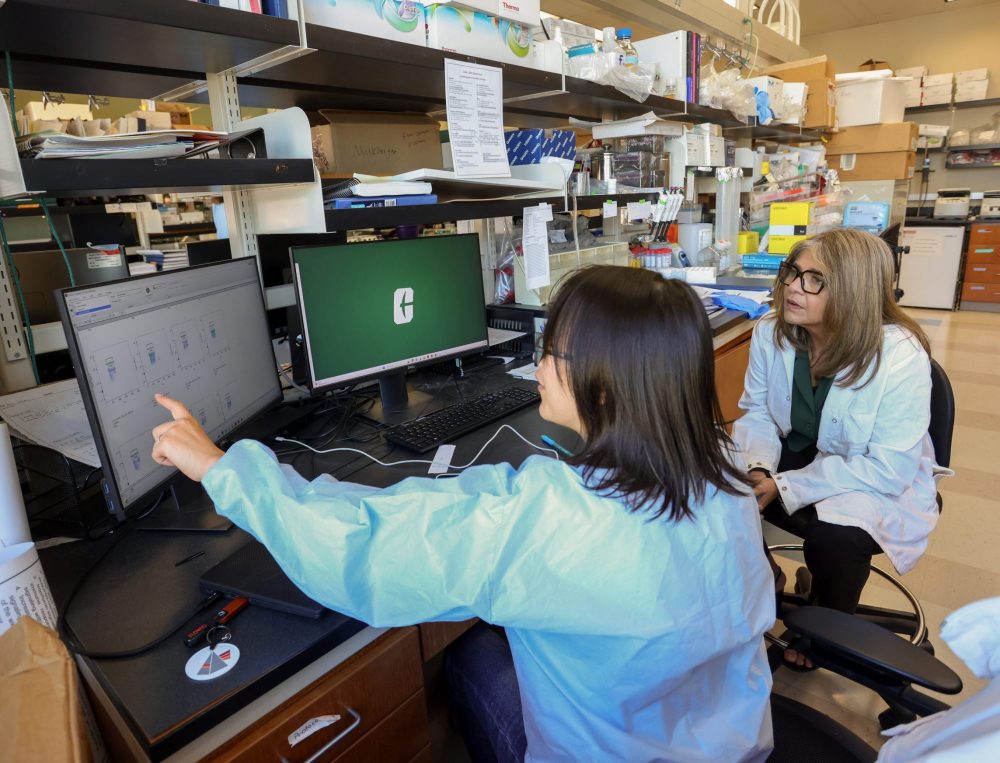
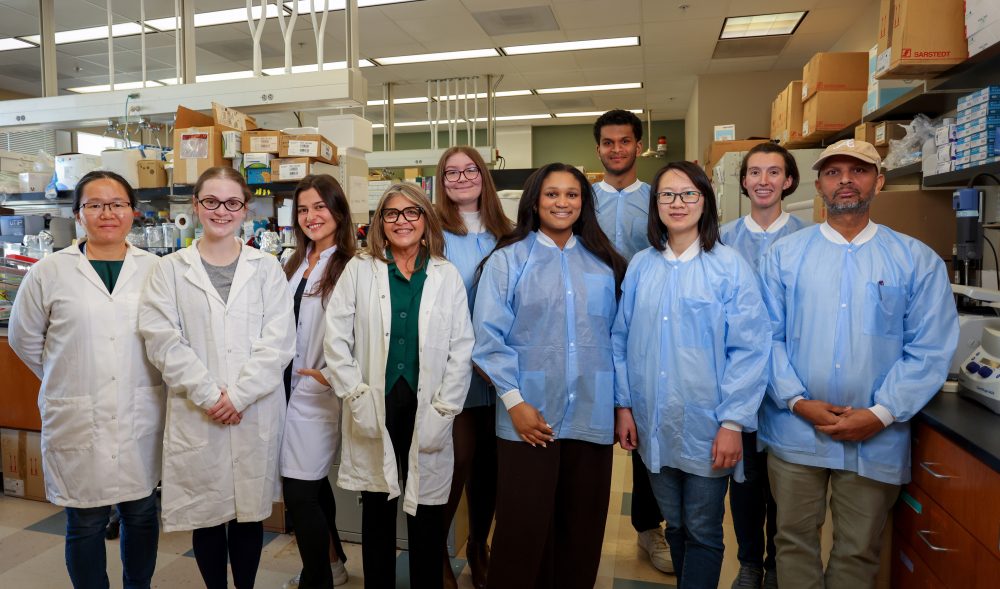
An academic research laboratory is a team effort involving students, postdoctoral fellows, research technicians and senior scientists. Together we design experiments, analyze data, troubleshoot challenges and continually refine our ideas. Moving a discovery from the laboratory to patients requires years of rigorous testing, significant funding and collaboration across multiple disciplines.
Why was it important for you to pursue commercialization alongside academic research?
For me, the ultimate goal of research has always been to improve patients’ lives. Publishing discoveries is important, but I have always believed their true value lies in their potential to benefit society.
After joining UNC Charlotte, I recognized that commercialization could help bridge the gap between laboratory discoveries and clinical application. That belief ultimately led to the creation of OncoTab, a biotechnology company focused on advancing cancer diagnostics and therapies.
I do not view academic research and commercialization as competing priorities. They are complementary parts of the same mission. Success is measured by whether the knowledge we generate can ultimately improve outcomes for patients.
What message would you share with patients and families affected by pancreatic cancer?
My message is one of hope. Patients and families should know they are not alone. Researchers, physicians and scientists around the world are working to improve early detection and develop more effective treatments.
We are entering an exciting era in pancreatic cancer research. Advances in our understanding of the genetic mutations that drive this disease, particularly new RAS and KRAS inhibitors, are creating promising opportunities for treatment. Combining these targeted therapies with chemotherapy, immunotherapy and other innovative approaches offers new pathways to improve survival and quality of life.
Learn more about the Klein College of Science’s pancreatic cancer research
- UNC Charlotte’s Dasgupta Lab shines light on cancer-related weight loss
- Discovery, mentorship and outreach drive UNC Charlotte’s Dasgupta Lab
Written by Pinku Mukherjee and Jenn Conway
Photos by Kat Lawrence