Chemistry Professor Jordan Poler nominated for O. Max Gardner Award
Established in 1949 and presented annually by the UNC System, the O. Max Gardner Award honors a faculty member who has made “the greatest contribution to the welfare of the human race” during the current academic year. It is the system’s highest faculty honor, and nominees may come from any of its 17 institutions.
Jordan Poler, professor of chemistry in the Klein College of Science, is this year’s nominee from UNC Charlotte. Poler leads pioneering work to expand access to clean, drinkable water for communities in North Carolina and around the world. Backed by a 2024 North Carolina Innovation Grant, he is developing long‑term partnerships between UNC Charlotte and industry to advance water‑purification technologies and create new internship pathways for students.
A member of the chemistry faculty for three decades, Poler is recognized as an outstanding educator, researcher and mentor. He has twice been a finalist for the UNC Charlotte Award for Teaching Excellence, the University’s top teaching honor.
His research includes developing methods to remove per‑ and polyfluoroalkyl substances, or PFAS — commonly known as “forever chemicals” — from water. These chemicals are widespread across the state and the nation and appear in products ranging from food packaging and cosmetics to stain‑resistant fabrics and nonstick coatings.
The UNC Board of Governors will select the 2026 recipient later this semester.
Mukulika Bose ’22 Ph.D. and Jeffrey Powell ’18 M.S. honored with UNC Charlotte’s prestigious 10 Under Ten award
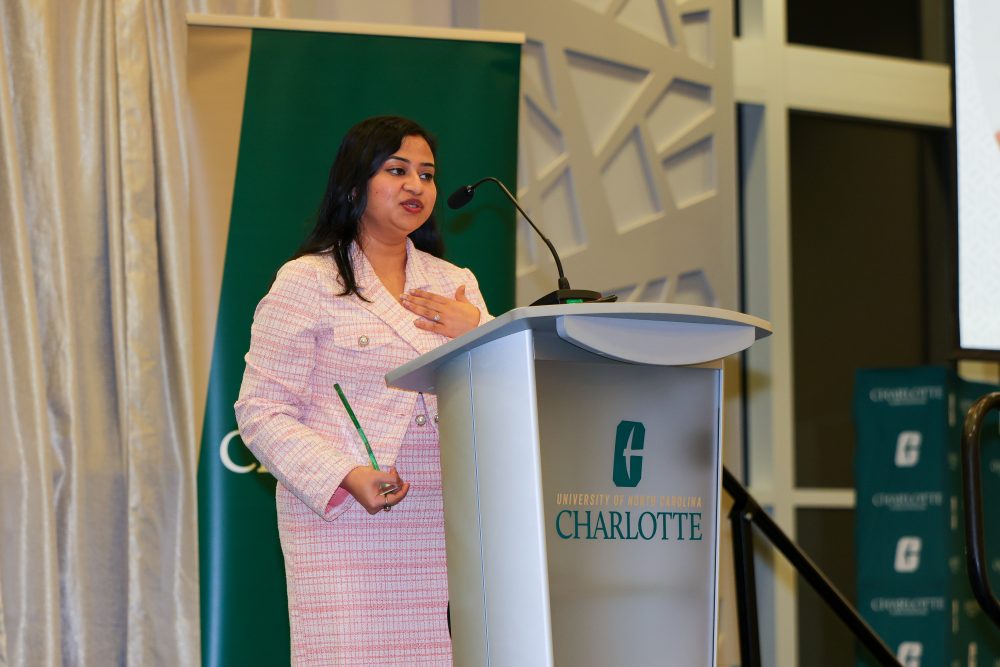
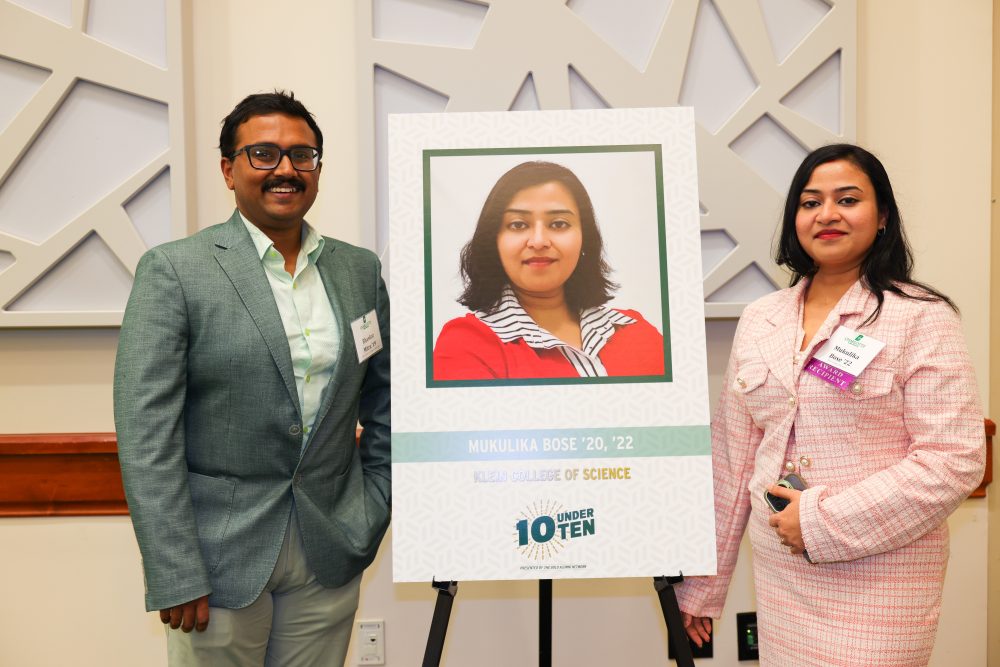
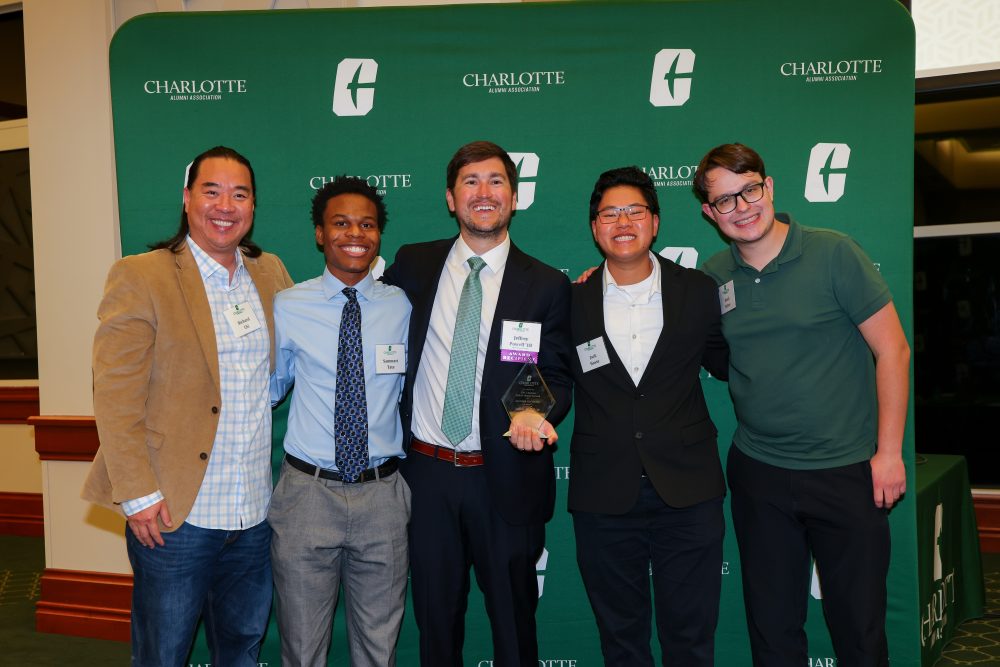
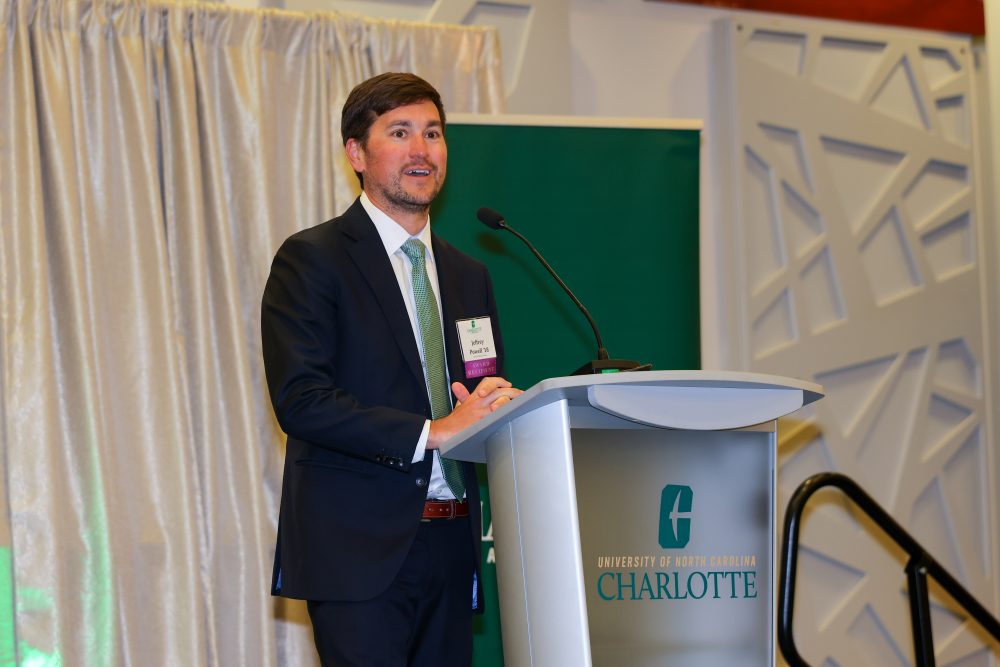
Mukulika Bose ’22 Ph.D. and Jeffrey Powell ’18 M.S., proud alumni of the Klein College of Science, are recipients of UNC Charlotte’s 2025 10 Under Ten Awards.
Each year, the UNC Charlotte GOLD Alumni Network selects ten graduates who exemplify the University’s mission through their achievements, volunteerism and philanthropic impact.
The celebration, held Thursday, Feb. 19 in the Popp Martin Student Union, recognized ten exceptional graduates from the past decade who demonstrate professional excellence, leadership and a commitment to service.
Mukulika Bose ’22 Ph.D.
Bose is a research investigator at The University of Texas MD Anderson Cancer Center. A cancer biologist with more than a decade of translational research experience, she studies tumor heterogeneity, metastasis and therapy resistance using patient‑derived models and advanced single‑cell imaging. At MD Anderson, Bose leads NIH‑ and DOD‑funded precision oncology projects, working closely with clinicians and multidisciplinary teams to bridge laboratory discovery with meaningful clinical impact.
Originally from Kolkata, India, Bose is a first‑generation scientist who graduated at the top of her class, earning national honors and competitive research fellowships.
At UNC Charlotte, she was a member of Pinku Mukherjee’s lab and became the University’s first recipient of the Phi Kappa Phi National Dissertation Fellowship. Bose completed her Ph.D. in biological sciences with eight first‑author publications.
Jeffrey Powell ’18 M.S.
Powell is the founder and president of The Helping Hand Project, a 501c3 nonprofit dedicated to supporting children with limb differences.
In 2017, he came to UNC Charlotte, where he partnered with Richard Chi, associate professor of biological sciences, and David Wilson, professor of software and information systems, to establish a new student chapter of the organization. The chapter focuses on designing and producing 3D-printed prosthetic arms and hands for children, often tailored to their favorite superheroes or personal interests.
During his time at UNC Charlotte, Powell earned his master’s degree in biology, which helped pave the way for his acceptance to medical school at the Wake Forest University School of Medicine. He is now training to become a vitreoretinal surgeon.
2025 10 Under Ten Honorees
- Bilkis Banu ’21 Ph.D., William States Lee College of Engineering
- Mukulika Bose ’22 Ph.D., Klein College of Science
- Kalin Devone ’15, College of Arts + Architecture
- Taylor Faulkner ’19, Cato College of Education
- Kaitlyn Linscheid ’20, College of Arts + Architecture
- Austin McNeill ’18, Belk College of Business
- Nkosi Muse ’17, College of Humanities & Earth and Social Sciences
- Jeffrey Powell ’18 M.S., Klein College of Science
- Fernando Mayoral Ramírez ’18 MBA, Belk College of Business
- C. Emmanuel Wright ’21, College of Humanities & Earth and Social Sciences
UNC Charlotte Truman Lab publishes new insights into cellular heat shock response in Nature Communications
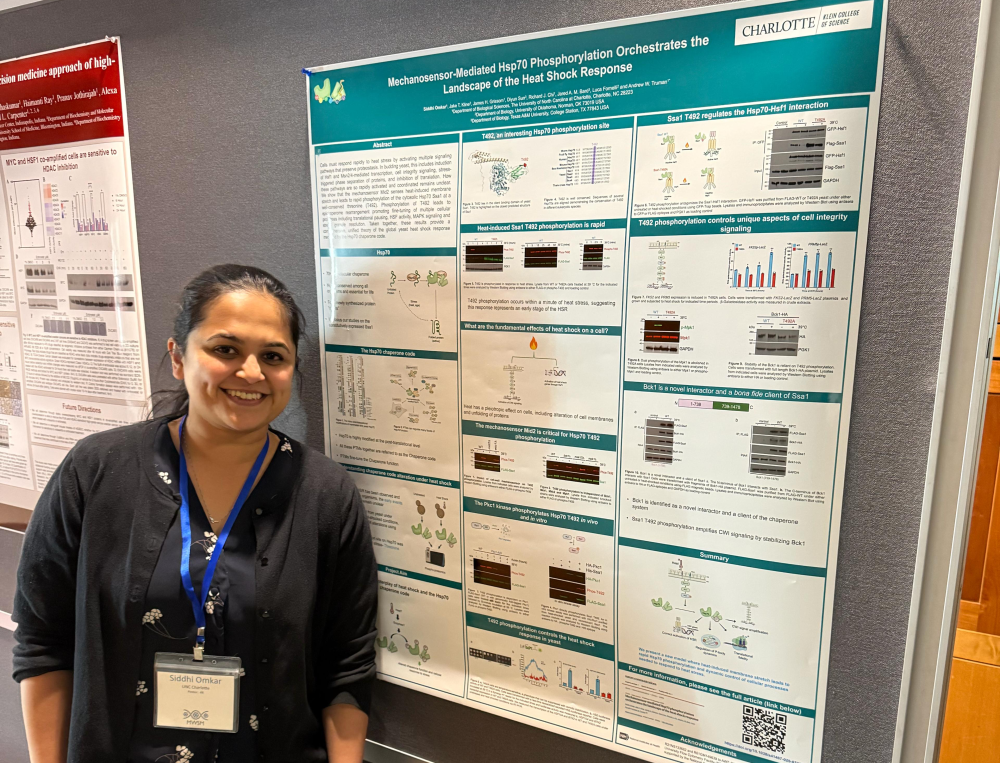
A new study from UNC Charlotte’s Truman Lab has been published in Nature Communications, offering a deeper understanding of how cells respond to heat-induced stress.
The paper, “Mechanosensor-mediated Hsp70 phosphorylation orchestrates the landscape of the heat shock response,” examines a novel key regulatory mechanism that rapidly activates the cellular defense to heat shock.
“This study reveals a fast ‘first step’ in the heat shock response. Instead of waiting for widespread protein damage, cells can sense heat-induced membrane stretch and rapidly modify Hsp70, allowing the cell to launch a coordinated protective program within minutes,” said Andrew Truman, Ph.D., the Truman Lab’s principal investigator, professor of biological sciences and associate chair for research in the Klein College of Science.
From Ph.D. Research to Publication
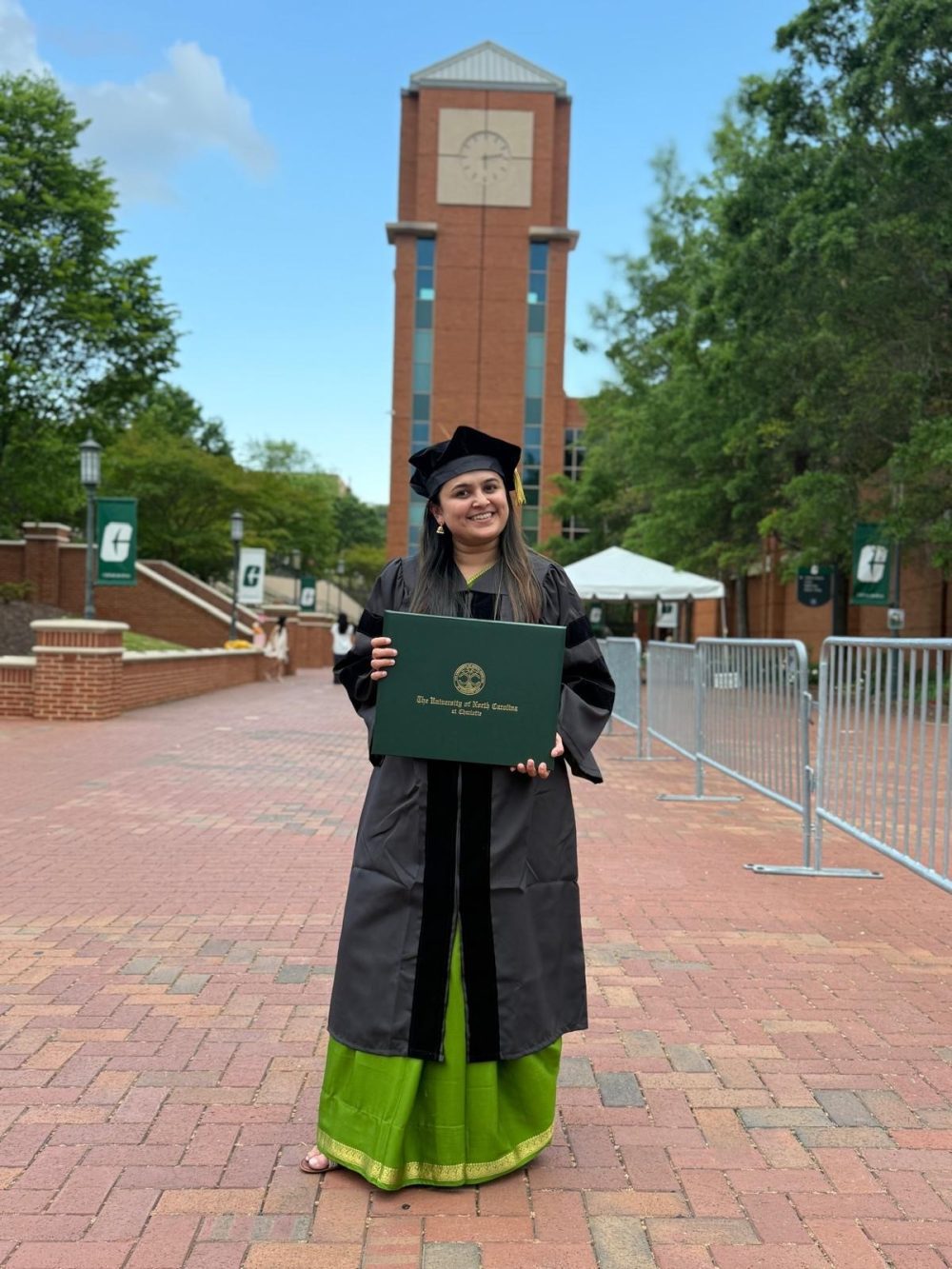
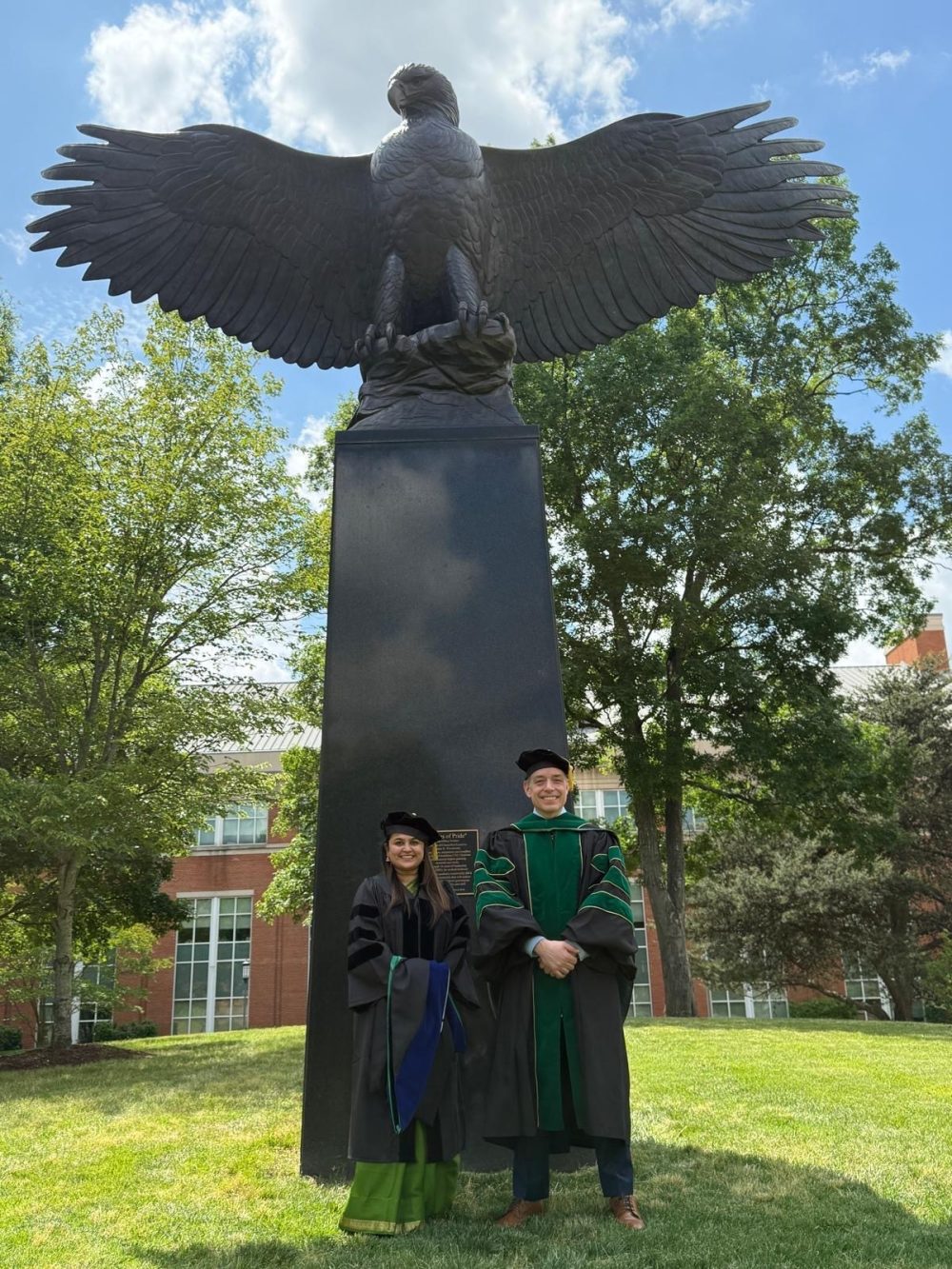
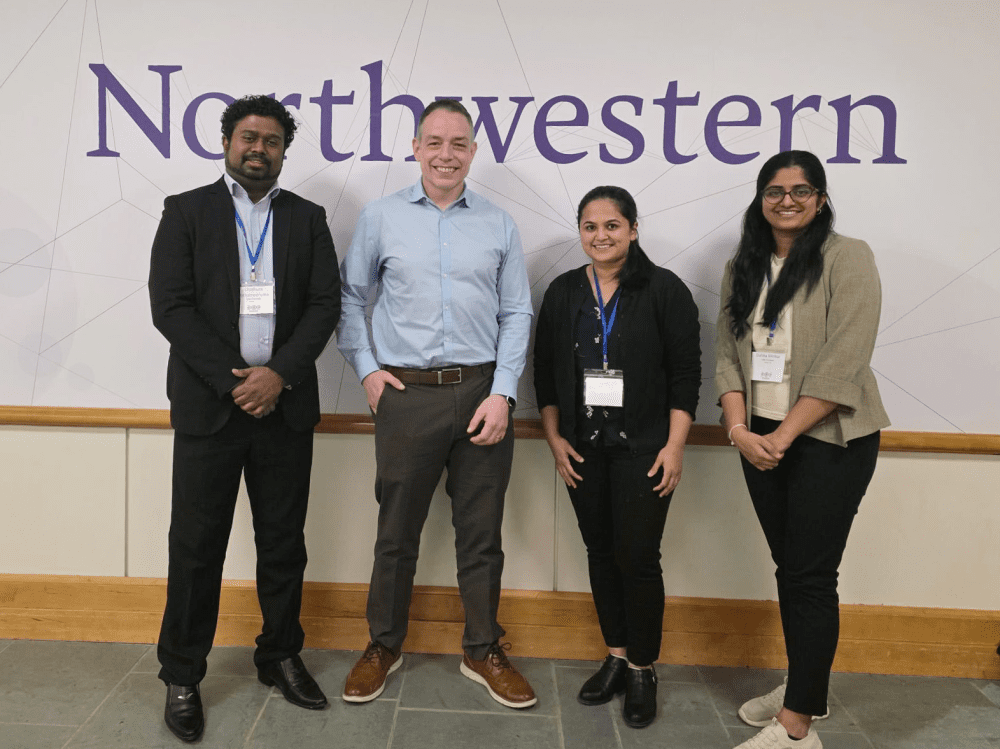
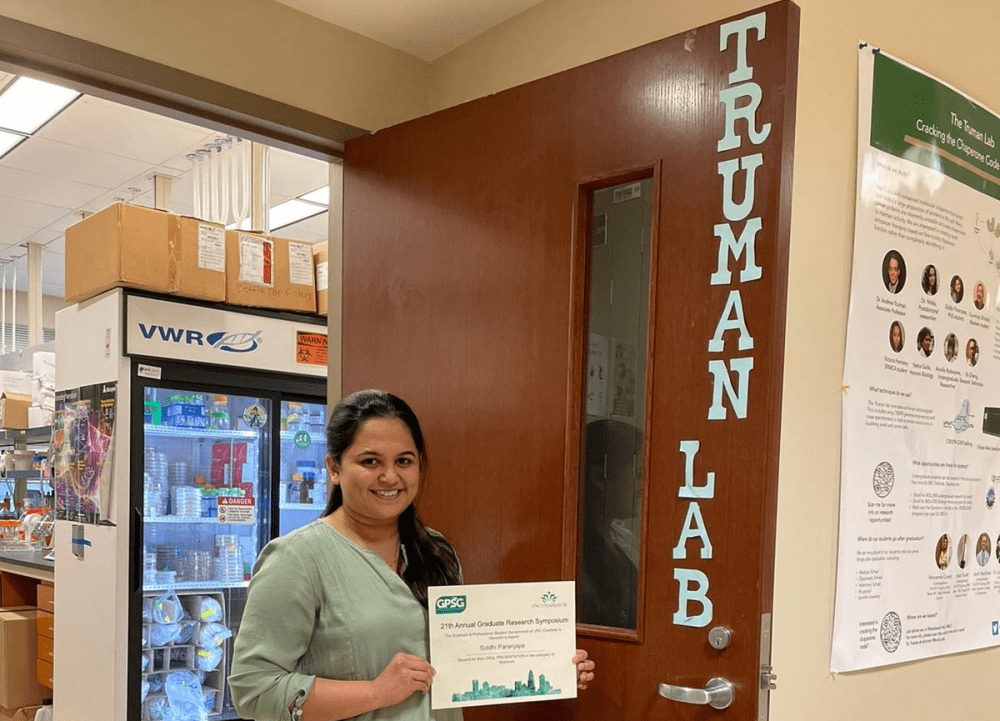
The article’s first author, Siddhi Omkar, Ph.D., began the project in 2020 as part of her doctoral research in the Truman Lab.
Data generated through Omkar’s research contributed significantly to the lab’s 2024 $1.28 million grant from the National Institute of General Medical Sciences (NIGMS), part of the National Institutes of Health (NIH).
Omkar defended her thesis in November 2024, just months after the birth of her son, before returning to the lab as a postdoctoral researcher. The team submitted the manuscript to Nature Communications in January 2025, and after peer review and revisions, it was accepted in November 2025.
A Cellular ‘Emergency Response Center’
The research team discovered that a single phosphorylation event on the Hsp70 protein functions like a 911 call, triggering multiple protective pathways within minutes of heat shock.
“I compare it to a city emergency department,” Omkar explained. “You receive a phone call about an emergency, and suddenly a number of other departments start working together. One single phosphorylation or one single PTM controls a number of different fundamental events inside the cell, all coordinating to help the cell protect itself from the heat.”
Decoding the ‘Chaperone Code’
The Truman Lab studies Hsp70, which is found in nearly all forms of life from bacteria to humans. Hsp70 works like a mechanic, making sure proteins fold into the right shapes and do not clump together. It also helps cells deal with proteins that are damaged, either by helping fix them or by directing them to be broken down and recycled.
This is important because Hsp70 can influence disease in more than one way. Many cancer cells depend on Hsp70 to help stressed or altered proteins keep working, which can support tumor growth.
In contrast, in brain diseases like Huntington’s, Alzheimer’s and ALS, Hsp70 can help reduce the buildup of harmful protein clumps that damage cells. Which effect you see depends on the type of cell and which proteins Hsp70 is working on.
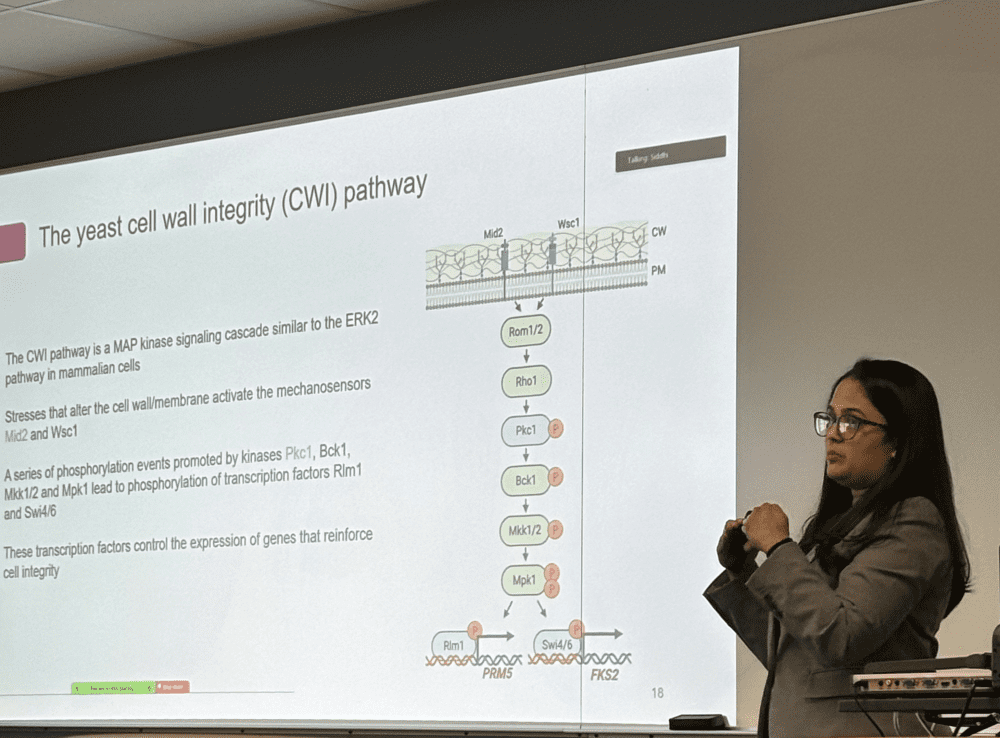
A major focus of the lab is understanding how small chemical “tags” (Post-translational modifications or PTMs) added to Hsp70 act like control switches that change how it behaves. The lab calls this collection of tags the Chaperone Code. By learning how these switches tune Hsp70, the Truman Lab aims to reveal new ways to understand disease and potentially guide future treatments.
Understanding Heat Stress Responses
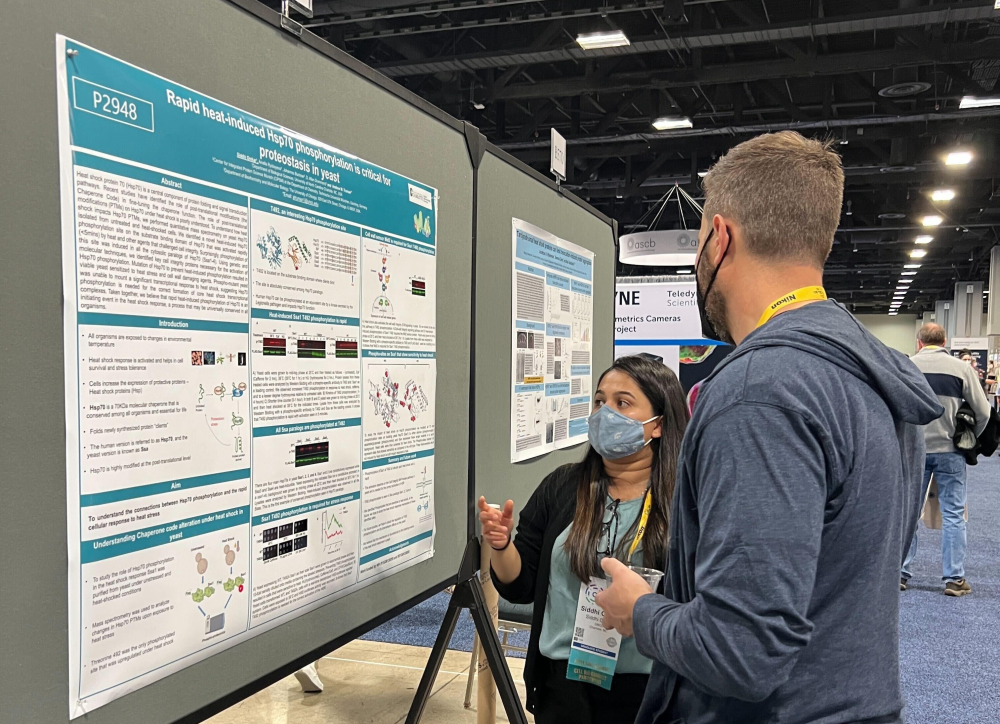
During her Ph.D., Omkar set out to address a fundamental question in biology: How do cells respond so rapidly to heat stress?
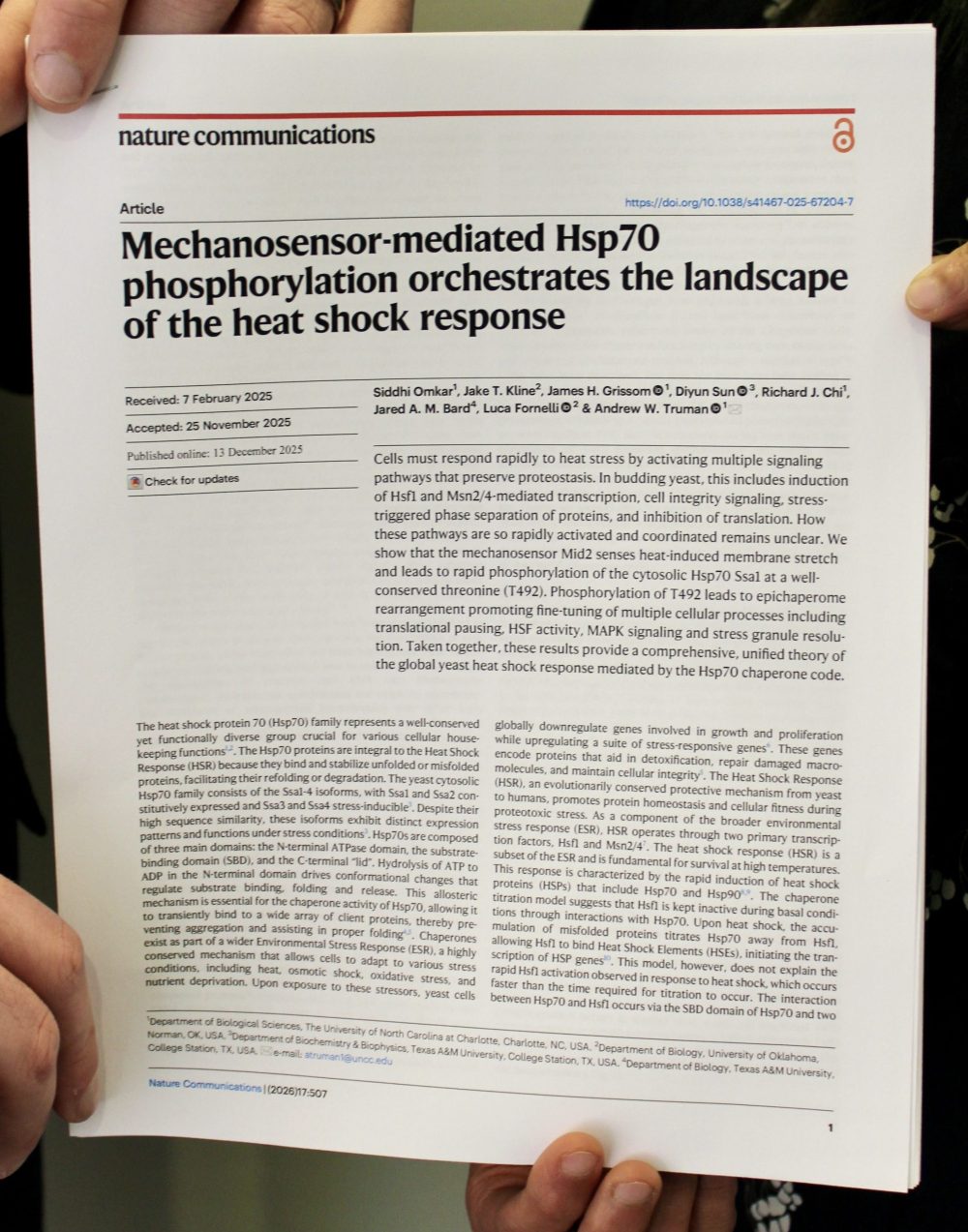
Her findings reveal how the Chaperone Code fine‑tunes proteostasis, which is the delicate balance of protein folding, stability and degradation. Together, the results present a unified model of the global heat shock response in yeast, governed by Hsp70‑mediated signaling.
Future Implications
Because protein misfolding underlies many cancers and neurodegenerative diseases, the work may have broad biomedical impacts.
“This particular site is also known to be mutated in cancer, which makes it much more interesting,” Omkar said. “We can use this as a targeted cancer therapy, which is just one very important implication.”
Omkar plans to continue her postdoctoral work in the Truman Lab for a few years before moving into industry.
“Right now I am focusing on other sites and other chaperone codes that are of interest to me,” she said. “Eventually I would like to transition into industry to do something that is related to disease or clinical-level research.”
Collaborative Science
This project was made possible due to extensive internal and external partnerships, with special thanks to the UNC Charlotte Division of Research and the Klein College of Science.
The research team collaborated within the Klein College of Science and beyond. Richard Chi and James (Trey) Grissom in UNC Charlotte’s Chi Lab contributed microscopy expertise, Luca Fornelli and Jake Kline at the University of Oklahoma supported mass spectrometry and proteomics and Diyun Sun and Jared Bard from the Bard Lab at Texas A&M University assisted with protein translation research.
“Looking back from starting this project in 2020 to seeing it published, it’s been an amazing journey with many personal and professional milestones along the way,” said Omkar. “I am incredibly thankful for Dr. Truman’s mentorship, my colleagues in the Truman Lab for their support, and my family’s unwavering encouragement throughout. Our collaborators were instrumental in advancing this research, and I’m excited to continue building on this foundation.”
KCOS faculty quoted in Niner Times feature celebrating UNC Charlotte’s first year as R1 institution
Klein College of Science (KCOS) faculty members were recently featured in the Niner Times article, “UNC Charlotte marks 1 year as R1 institution with research growth and innovation.”
As of Feb. 13, UNC Charlotte has officially celebrated one year as a Research 1 (R1) institution. According to the Carnegie Classification of Institutions of Higher Education, R1 universities must invest at least $50 million annually in research and award a minimum of 70 research doctorates. According to the Niner Times, UNC Charlotte far surpassed those benchmarks, spending approximately $92 million on research and awarding 160 doctoral degrees in 2023.
Adam Reitzel, Ph.D., professor of biology and associate dean of research and graduate education, served on the R1 commission that helped guide the University toward achieving this milestone.
“We spent about a year on this R1 commission, which is now called the top-tier research commission, which was looking at UNC Charlotte. We said we’re doing a lot of really good things here in research,” said Reitzel. “They pulled faculty from across the campus, as well as administrators, to start looking at what our strengths are as a university, and how we can make rapid progress in transitioning from an R2, which the University has been for a long time, to R1.”
With the momentum and support from the R1 designation, KCOS students and faculty are advancing their research in new and ambitious ways, particularly in technology and artificial intelligence.
One example highlighted by the Niner Times is the groundbreaking work in gene therapy that led to the development of AI‑Cell, a project more than a decade in the making.
“The predictive capacity of AI-Cell is just going to increase,” said Kirill Afonin, Ph.D., professor of chemistry. “It’s very, very promising, but there’s more work to do for sure. It’s also very exciting because our team will continue working on it. There are still a lot of questions to answer.”
Find out more about the research taking place in the Klein College of Science.
Porras-Aguilar receives NCInnovation grant for 4D microscopy system
Rosario Porras-Aguilar, associate professor of physics and optical science, has been awarded a grant from NCInnovation to assist with bringing her research in advanced microscopy to commercial market. The grant, totaling nearly one million dollars, marks the sixth award at UNC Charlotte from NCInnovation, with four of the grants belonging to researchers in the Klein College of Science.
The new imaging techniques in the Porras-Aguilar lab are enabling faster, less expensive and more precise microscopic imaging for a variety of applications, including medical and pharmaceutical, life sciences and materials research. The tool being developed by the team in the Porras-Aguilar lab can turn a standard microscope into an advanced 4D imaging system that can capture a sample’s depth, movement and structural changes in real time.
In 2021, Porras-Aguilar earned a National Science Foundation Career Award and was named a Cottrell Scholar by the Research Corporation for Science Advancement. In 2023 she was elected a Senior Member of SPIE, the international society for optics and photonics, and has also received numerous awards from SPIE for community outreach.
Klein College of Science Debuts Inaugural Strategic Plan
The Klein College of Science unveiled the inaugural strategic plan “Discovering What’s Next” after an intensive, year-long process engaging feedback from stakeholders across UNC Charlotte and beyond. The plan will serve as a guide for KCOS priorities through 2032.
Founding Dean Bernadette Donovan-Merkert convened the KCOS Strategic Planning Committee on February 3, 2025, and charged it with creating an actionable roadmap — including new mission, vision and values statements — that reflect the KCOS commitment to academic excellence, societal impact and global ambitions, while aligning with UNC Charlotte’s strategic priorities.
“I am thrilled with the quality and depth of our inaugural strategic plan, which provides a bold blueprint for the future of the Klein College of Science,” said Donovan-Merkert.
Members of the KCOS Strategic Planning Committee:
- Kirill A. Afonin, professor of chemistry
- Tonya C. Bates, senior lecturer of biological sciences and 2024-25 KCOS Faculty Council chair
- Sharon Bullock, teaching professor of biological sciences and biotechnology minor program coordinator
- Didier Dreau, professor of biology and graduate program pirector
- Jeff Gillman, director, Botanical Gardens
- Donald Jacobs, professor of applied physics and graduate program director
- Reneé Johnson, office manager and assistant to the OPTI graduate program director
- Kevin McGoff, Professor of Mathematics
- Rosario Porras-Aguilar, associate professor of physics and optical science
- Juan Vivero-Escoto, professor of chemistry and director of CITRANS
The committee met weekly to collaborate, gathering input from hundreds of stakeholders through surveys, reviews of more than 50 strategic plans from leading domestic and international science colleges, and a combined SWOT and SOAR analysis.
“This plan would not have been possible without the creativity, insight and hard work of the KCOS SPC, the massive amount of thoughtful feedback to the surveys provided by stakeholders and the exemplary guidance of Dr. Sharon McDade, our Strategic Plan Consultant,” said Donovan-Merkert. “I am extremely grateful to everyone for their contributions and I look forward to working with our college, our community partners and alumni to implement the new plan and drive success for our college.”
New Nanoprinting Method with Metalenses to Speed Up 3D Fabrication and Support Large-Scale Materials Research
A team of 18 researchers has developed a high-speed method for printing precise three-dimensional (3D) structures at the nanoscale. This breakthrough could accelerate advances in microelectronics and biomedicine, and spur the development of the next generation of nanomaterials.
The study published in Nature is a culmination of five years of work and includes research from UNC Charlotte Klein College of Science co-author You Zhou, assistant professor of physics and optical science.
Fast and Complex
The new 3D printing system uses large arrays of “metalenses,” which are ultrathin optical devices made from nanoscale patterns, to generate more than 120,000 laser focal points at once. Each focal point acts like a tiny pen, solidifying a photosensitive resin to build precise structures, layer by layer.
Researchers leveraged two capabilities enabled by metalenses: high-numerical aperture metalenses for sharp focusing and large arrays for high-throughput printing. The new TPL platform (two-photon lithography) prints nanoscale features in parallel to reach speeds above 120 million voxels per second, roughly 1000 times faster than conventional TPL systems.
The arrays are paired with an ultrafast laser and a spatial light modulator that enables researchers to adjust the brightness of each focal point independently. That control allows the printer to switch individual spots on or off and fine-tune line widths to create complex 3D shapes with feature sizes down to 113 nanometers.
Overcoming Limits in Nanoscale Printing
The research addresses a major constraint that has limited TPL for decades: the small field of view of conventional microscope objectives, which restricts the printable area to only a few hundred micrometres. Scaling to larger volumes often requires stitching many smaller tiles together that can introduce “proximity effects,” where closely spaced laser spots interfere with one another.
By eliminating the need for conventional lenses, the metalens array enables massive parallelization and turns centimeter-scale 3D printing into a single coordinated and reliable process.These advancements enabled researchers to print millions of microparticles in a day and complete tasks that previously would have required more than a month to finish in just a few hours.
Scalable Adaptive Metamaterials
Beyond speed and complex detail, the researchers used the system to fabricate large mechanical metamaterials and engineer structures with desirable properties such as high strength, low weight and programmable responses.
Using the new TPL platform, the researchers produced three types of metamaterials:
- Octet lattices, for stretching
- Kelvin lattices, for bending
- Chainmail lattices, for interlocking
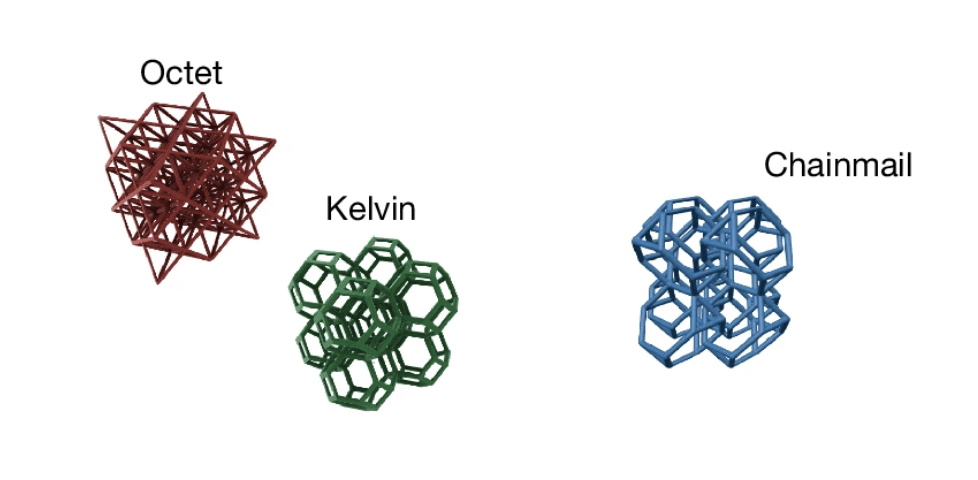
The advancements to print larger sections of these patterns quickly open the door to study how the structures will deform, fracture and fail, which is key information for designing tougher and more resilient materials.
Zhou, along with researchers at Stanford University, contributed to the early design and experimental prototyping of the metalens array.
“This project is a large collaboration that was made possible by the leadership of our collaborators at Lawrence Livermore National Laboratory and Stanford University,” Zhou said. “With UNC Charlotte’s strengths in optics and its established nanofabrication infrastructure, we’re expanding our metasurface research toward a broader range of classical and nonclassical optical applications.”
Read more about the new 3D printing system in the paper published in Nature, along with a Research Highlight in Nature Electronics.
Gift from SPIE Endows $1M Scholarship Fund for Optical Science and Engineering
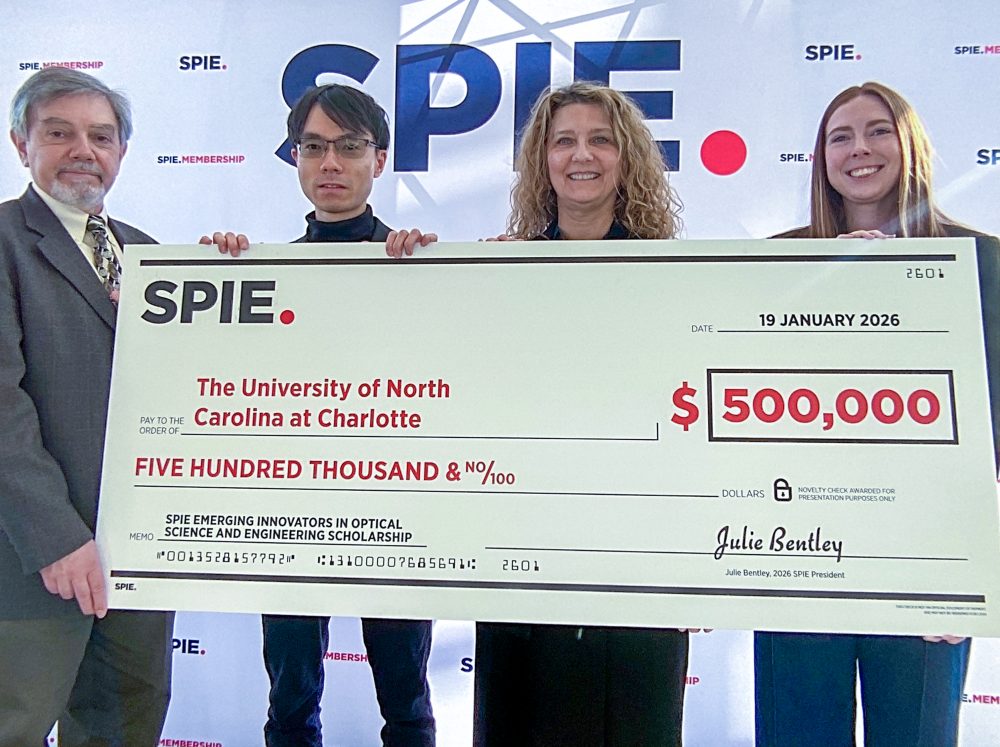
UNC Charlotte received a $500,000 gift from SPIE, the international society for optics and photonics. The gift was announced during the SPIE Photonics West conference held in San Francisco, California, this week.
The gift is fully matched by a $500,000 contribution from the UNC Charlotte Foundation to form the SPIE Emerging Innovators in Optical Science and Engineering Scholarship.
The endowment will support scholarships for two students pursuing doctoral work in UNC Charlotte’s Optical Science and Engineering program, which focuses on rapidly growing fields such as photonics, optical metrology, advanced optical materials, freeform optics, and biomedical optics. This endowed fund is the first of its kind for the Klein College of Science program.
Klein College of Science Founding Dean Bernadette Donovan-Merkert accepted the gift on stage and addressed the audience during the OPTO Plenary session. Associate Professor of Interdisciplinary Optics and Graduate Program Director Menelaos Poutous was also on hand to help accept the check. Poutous was named a Senior Member of SPIE in 2015.
“This endowment is a powerful catalyst for our growing Klein College of Science. Supporting additional doctoral students fuels the talent that will drive advances across nanophotonics, optoelectronics, freeform and biomedical optics, optical communications and more. The investment from SPIE strengthens our momentum, expands our capacity and energizes our entire Optical Science and Engineering program. We are thrilled for what this investment sets in motion.”
Bernadette Donovan-Merkert, founding dean of the Klein College of Science
The $1 million endowed fund was made possible through the SPIE Endowment Matching Program. The gift to UNC Charlotte marks the 14th major SPIE gift to universities and institutes as part of SPIE’s work supporting the international expansion of optics and photonics through increased educational capacity, funding of research and the development of talent pipelines for industry.
“Recipients of the SPIE Emerging Innovators in Optical Science and Engineering Scholarship will have an important impact on the future of optics and photonics,” said SPIE CEO Kent Rochford. “These students, pursuing their doctorates in optical science and engineering, will help contribute innovation in the field across industry, academia and government. We are delighted to work with UNC Charlotte to create these transformative opportunities for their students.”
The SPIE Endowment Matching Program was established in 2019 to increase international capacity in the teaching and research of optics and photonics. With this latest gift, SPIE has provided over $5.5 million in matching gifts as part of the program, resulting in more than $14 million in dedicated funds. The SPIE Endowment Matching Program supports optics and photonics education and the future of the industry by contributing a match of up to $500,000 per award to college, institute and university programs with optics and photonics degrees, or with other disciplines allied to the SPIE mission.
About SPIE
SPIE, the international society for optics and photonics, brings engineers, scientists, students, and business professionals together to advance light-based science and technology. The Society, founded in 1955, connects and engages with our global constituency through industry-leading conferences and exhibitions; publications of conference proceedings, books, and journals in the SPIE Digital Library; and career-building opportunities. Over the past five years, we have invested more than $26 million in the international optics community through our advocacy and support, including scholarships, educational resources, travel grants, endowed gifts, and public-policy development. www.spie.org.
About the University of North Carolina at Charlotte
More than 32,000 students choose to call North Carolina’s urban research university home. As Charlotte’s only R1 institution, UNC Charlotte drives innovation and discovery in one of the fastest-growing regions in the United States. The University has an award-winning focus on student success, internationally recognized research and creative activity, and a deep commitment to community engagement and cultural vibrancy that makes it one of U.S. News & World Report’s Top 75 Public Universities. The Difference is Charlotte. www.charlotte.edu
When Nanoparticles Learn to Talk: Building a Rosetta Stone for the Human Immune System
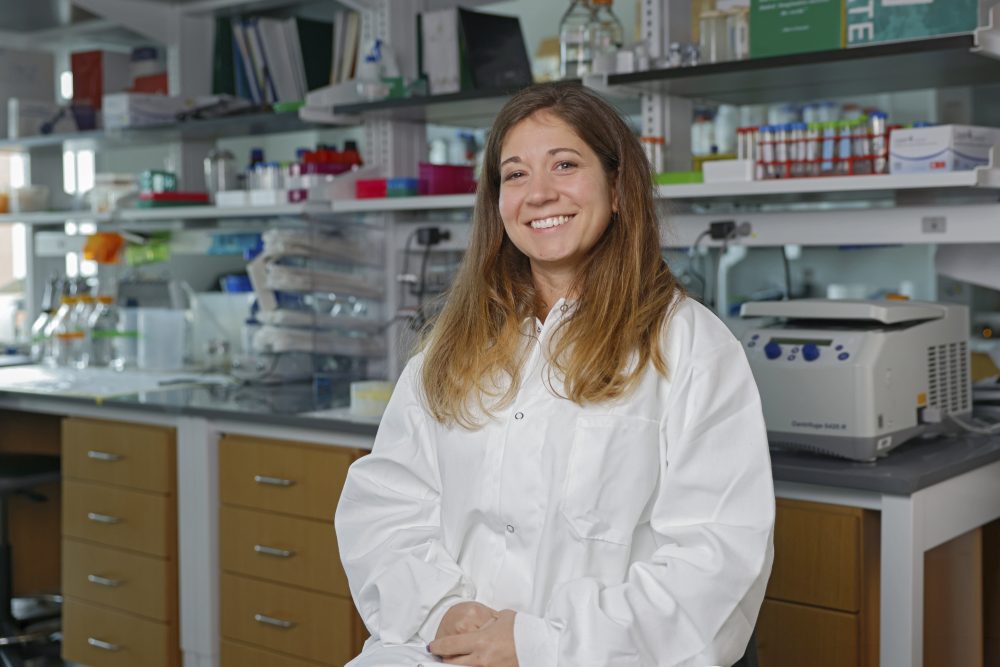
Researchers from the UNC Charlotte Klein College of Science discovered how to translate a new language to unlock human immunology, in the first ever study to decode microglia, the cells of the brain’s immune system.
This translator allows scientists and clinicians to compose messages in the immune system’s language by deciphering how different immune cell “dialects” generate responses. The patient’s immune system will induce a personalized response, based on the communication from tiny nucleic acid nanoparticles (NANPs), specific to their unique needs.
Delivering the right message can save treatment time by anticipating how the immune system will react and deliver the precise response needed.
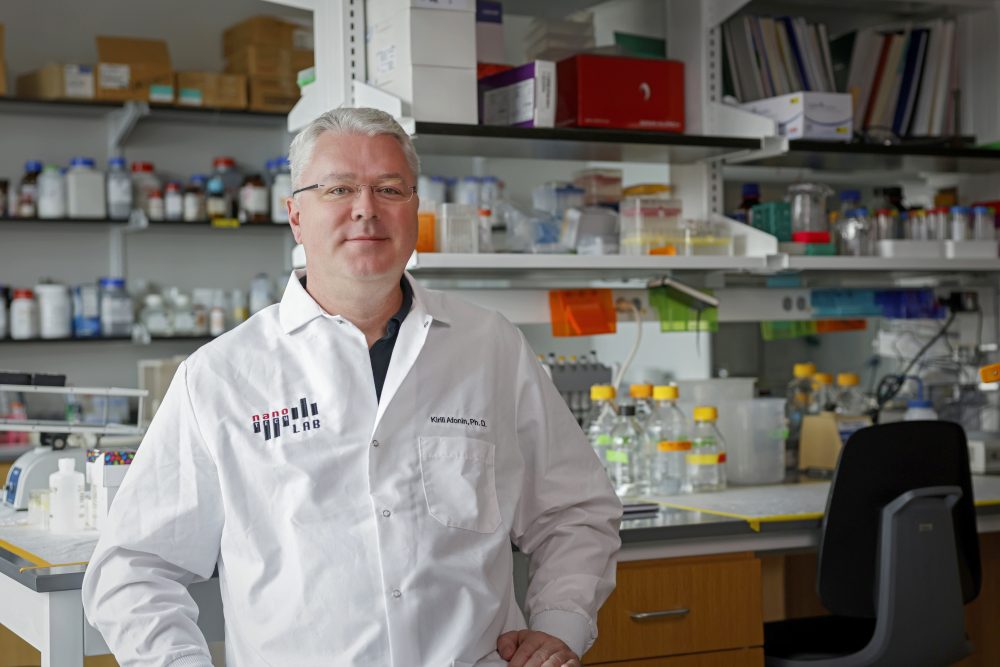
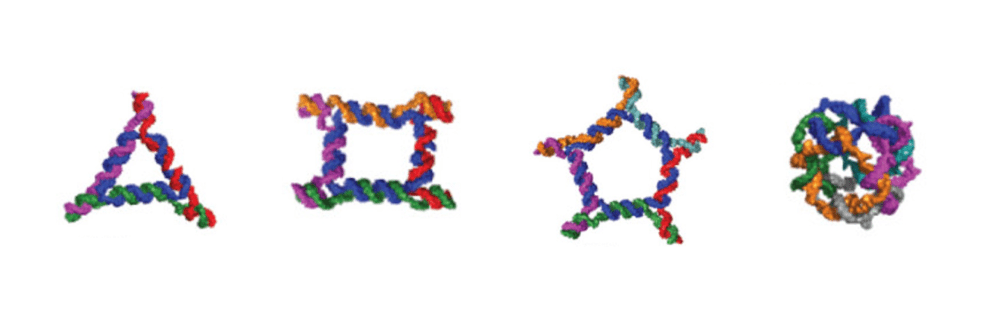
“To put it in analogy: think of the immune system as a large, diverse neighborhood of cells like monocytes, dendritic cells, macrophages or similar; each group speaks the same language with subtle dialect variations. The NANPs are like short encrypted messages defined by the nanoparticles’ size, shape and composition as well as how they are delivered.”
Kirill Afonin, team leader and professor of chemistry
The team’s earlier work studied the language of blood cells for the circulatory system. The newest study “From Sequence to Response: AI-Guided Prediction of Nucleic Acid Nanoparticles Immune Recognitions,” was published in Small, one of the leading nano and micro technology journals, and it adds a translation for the central nervous system (CNS), decoding the language of microglia.
“Microglia are part of the home security system for the CNS. These cells constantly monitor the CNS for signs of infection, inflammation, or damage. These studies are especially exciting because limiting damaging off-target effects and a lack of predictive models are major challenges for developing therapeutics for CNS disorders and diseases.”
Brittany Johnson, assistant professor of biology
The Discovery
The team’s study used a carefully prepared set of 176 unique NANPs to train a computational model. The researchers can now anticipate how the recipient cell types will respond when they open the message, and choose the appropriate response.
This newest translation is a major step toward rational immunomodulatory design. A message might:
- Scream loudly, launching a “stranger danger” alarm that would flood the area with inflammatory signals in a cytokine storm
- Whisper quietly, encouraging the cells to “keep calm and carry on” and ignore the message, to keep inflammation down
- Send a professional and measured message, asking for a moderate response in a “Goldilocks” just-right way
Instead of sending “spam” messages blindly and hoping for the best outcomes with immune response, scientists can now sketch the shape of their NANPs and run them through the AI-cell translator.
Within a few seconds, they can choose from designs that either minimize immune activation for drug delivery where stealth is needed, or maximize activation for immunotherapy where robust immune engagement is needed.
“The immune system is both a friend and a potential foe. If we don’t anticipate how it will respond, the risk of unwanted inflammation or inefficient payload delivery may endanger the therapeutic outcome.”
–Brittany Johnson
The team developed the first generation of the model, called the Artificial Immune cell or “AI-cell,” that used a library of NANPs with known physicochemical features (size, nucleic acid type, architecture, delivery vehicle) and their known immune responses, to predict how much interferon a new NANP might trigger in monocytes.
The new translation expanded the team’s previous work in several important ways:
- Built a larger data set: To accurately predict responses from even more variations of NANPs, with distinct and wide-ranging structural and compositional differences.
- Upgraded the model: The transformer-based deep-learning architecture captures more complex relationships between NANP features and immune outcomes.
- Added a new dialect: The immune readouts now include human microglia cells, key players in addressing many CNS disorders and infections.
“The overarching goal is to advance the AI-cell platform beyond focusing on single immune cell types and to build predictive models that capture the full ‘language’ of immune responses triggered by NANPs and interpreted across different tissues and cell types, ultimately understanding the immune responses of every system in the human body,” said Afonin.
The current AI-cell work focused on one dialect that is understood by human microglia. The further development of the AI-cell open access platform will cover multiple dialects, predicting a richer vocabulary of cytokine responses across more cell types.
This moves the field closer to “multilingual immune design” of smart NANP therapies.
Applications for the Future
Some of the broader implications for the field of therapeutic nucleic acid nanotechnology, which is a major interest of the Afonin lab, are significant:
- Faster design cycles: Researchers can save weeks of time by running many AI-cell predictions in only seconds, prune poor designs up front and focus experimental work on the most promising NANPs.
- Safety engineering: AI-cell offers the ability to forecast immune signatures for non-immunogenic carrier NANPs which can bring fewer surprises in later studies.
- Tailored immunotherapies: AI-cell can tune NANPs to produce a predetermined cytokine profile for needed immune activation (e.g., cancer vaccines).
“The immune system is complex, and in vitro predictions may not always map perfectly to in vivo realities: biodistribution, organ-specific responses, protein-corona formation, prior immune exposures are other factors that will influence how the immune system interprets your NANP in real life,” said Afonin. “The AI-cell tool is only as good as its training data: if certain cell types, delivery vehicles, or species are not yet tested, the predictions will be weaker in those regimes.”
In essence, the current “translator” is very good, but the conversation remains complex and needs to be constantly upgraded with additional research. Just as we might learn multiple languages to communicate with different human communities, the NANP technology learns to speak multiple “immune-dialects” so that we can engage many different monocytes, dendritic cells, or macrophages according to specific therapeutic needs.
The research reported in this publication was supported by the National Institute of General Medical Sciences of the National Institutes of Health under Award Number R35GM139587 and in part by the Intramural Research Program of the National Institutes of Health (NIH). The findings and conclusions in this publication are those of the authors and do not necessarily represent the views or policies of the NIH, the U.S. Department of Health and Human Services, or the U.S. Government. Mention of trade names, commercial products, or organizations does not imply endorsement by the U.S. Government. The work was also supported by the National Institute of Biomedical Imaging and Bioengineering of the NIH under Award Number R15EB031388 and, in part, by the Intramural/Extramural Research Program of the NCATS, NIH.
Susan Trammell discusses NCInnovation grant on Spectrum News 1
Susan Trammell, Ph.D., professor of physics and optical science, joined Spectrum News 1 to discuss how NCInnovation is helping advance her research from the lab into real-world applications.
In May 2025, Trammell received a research and development grant from NCInnovation. The nonprofit organization helps bridge the gap between academia and industry by advancing research from North Carolina public universities from proof-of-concept to commercial viability.
“They’ve been a great partner, they’ve provided funding for us to get some preliminary results so that we can go and show it to other industries,” Trammell said. “They’ve helped us develop local partnerships, so we work with some companies in Huntersville and other regional North Carolina companies to try to develop this technology.”
The grant followed a multi-month review and evaluation process led by external subject matter experts and overseen by the Program Committee of NCInnovation’s Board of Directors.
Light-Assisted Drying
Trammell and her team developed a laser technology called Light-Assisted Drying that enables medications to be stored at room temperature, expanding access worldwide.
“Every day medications like vaccines, insulin, those have to be refrigerated or frozen in some cases. That’s expensive and it limits access,” Trammell said. “The leading cause of undervaccination in children worldwide is because the areas don’t have adequate access to refrigeration, so this could have a huge impact.”
The technology, awarded U.S. Patent 11,849,722, offers a promising alternative to freeze-drying for stabilizing proteins. By eliminating the need for refrigeration during transport and storage, the technology would reduce costs by up to 80%.
“[NCInnovation] provide[s] a lot of expertise in terms of pathways to commercializing, getting that technology out of the laboratory on a campus into the real world where it can help people,” Trammell explained. “We’re academics, we’re not business people, and learning how to do that is a learning experience for us and NCInnovation is incredibly supportive with that process.”