Rare bromeliad once owned by Dolly Parton is blooming in the UNC Charlotte Botanical Gardens
- The McMillan Greenhouse will be open extended hours Wednesday, Aug. 26, from 8 a.m. to 8 p.m.
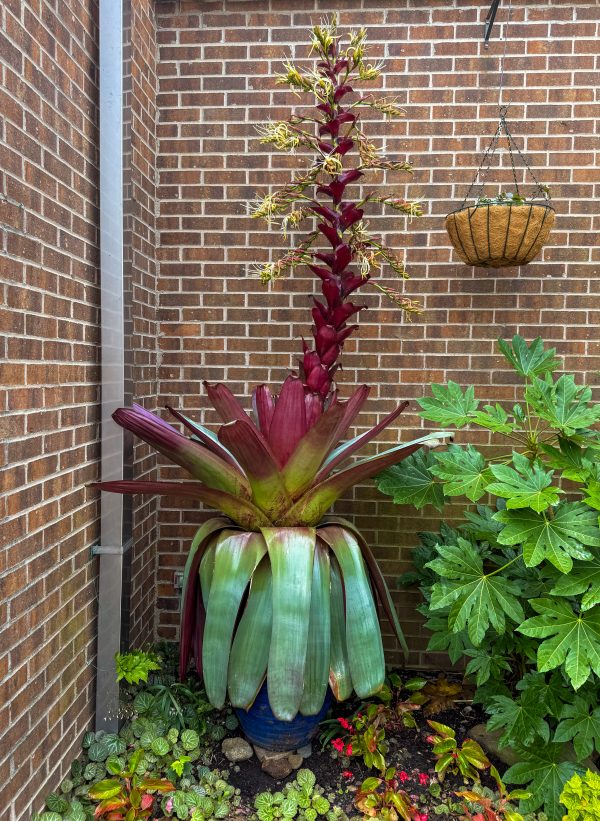
- Visitors are encouraged to stop by the McMillan Greenhouse’s carnivorous courtyard to see Dolly while the bloom remains on display, putting on her final show.
It’s a blooming tribute to Dolly.
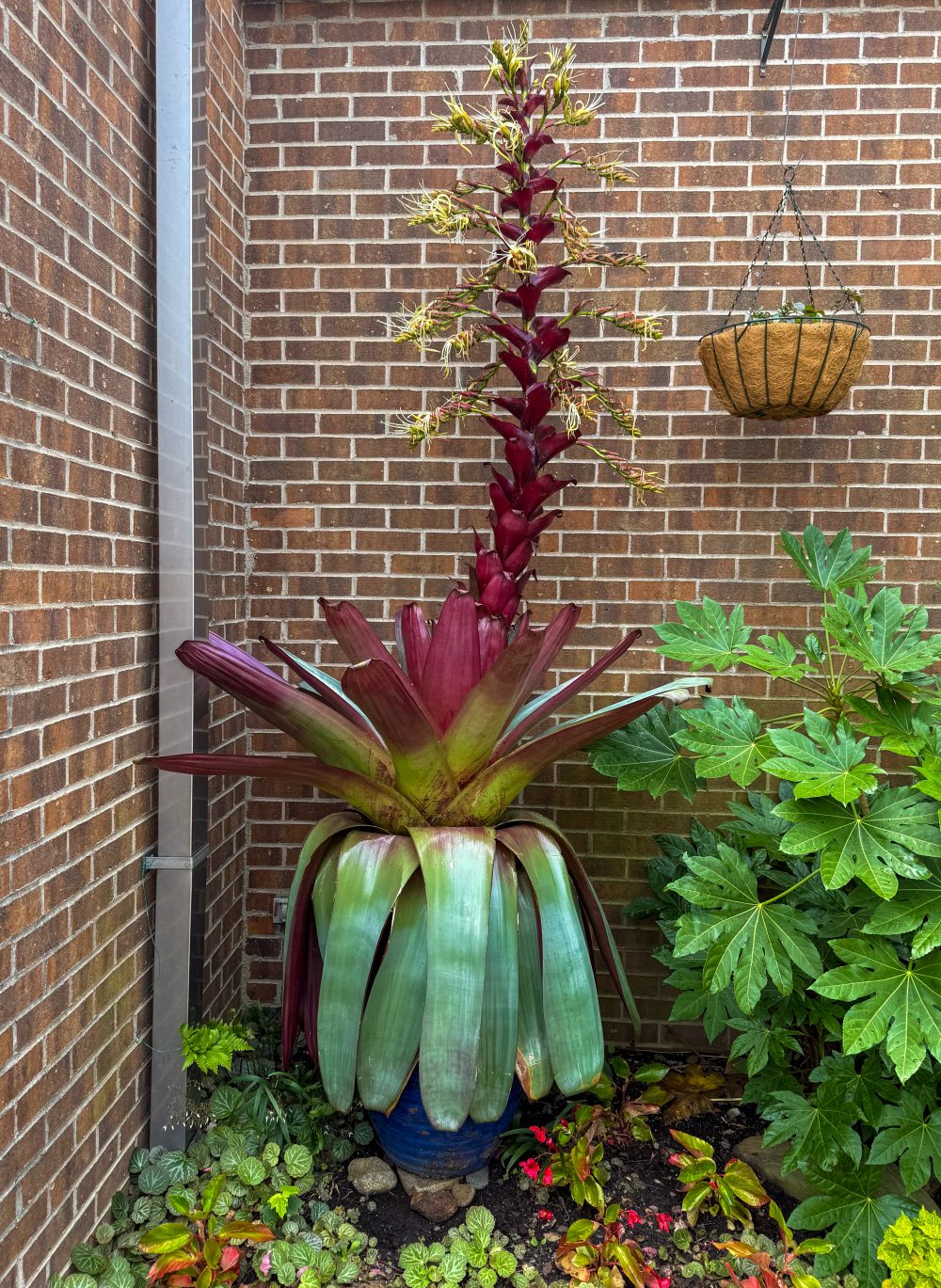
Visitors to the UNC Charlotte Botanical Gardens have a unique opportunity to witness the spectacular final bloom of an extraordinary plant known as “Dolly the Bromeliad.”
The plant was named “Dolly” after its previous owner, country music icon Dolly Parton, creating a meaningful connection between the renowned entertainer and a remarkable botanical specimen.
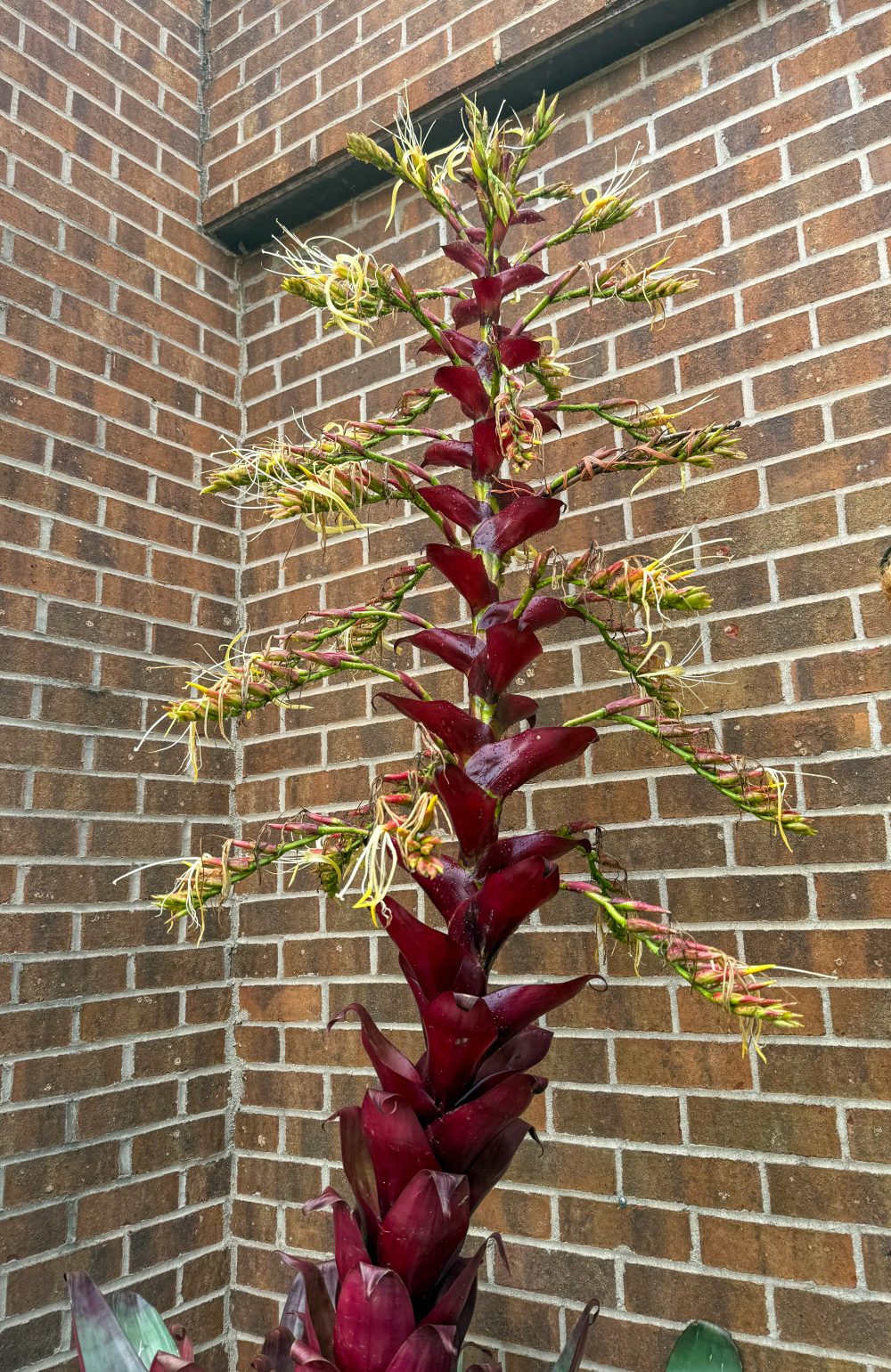
Dolly is currently displaying a towering flower spike in the McMillan Greenhouse on UNC Charlotte’s main campus. The Alcantarea imperialis, one of the world’s largest bromeliad species, is native to the Serra dos Órgãos mountain range in Rio de Janeiro, Brazil.
The plant was generously donated to the UNC Charlotte Botanical Gardens by Mountain Paradise Nursery following the International Carnivorous Plant Symposium and Expo, held May 16-17 in Kernersville, North Carolina. The Expo brought together plant experts and enthusiasts from around the world. UNC Charlotte Botanical Gardens staff attended the event and hosted a large booth during the expo, where the nursery entrusted the Gardens with the safe transport and end of life care of the rare bromeliad.
“We are honored that Mountain Paradise Nursery chose UNC Charlotte Botanical Gardens as Dolly’s final home so we could share this experience with thousands of visitors,” said Mariah Huffman, director of education and engagement for the Gardens. “Our horticulture team is committed to preserving and sharing exceptional plants like Dolly with our visitors. This bloom provides a unique opportunity to experience a truly special moment in the plant’s life cycle, and it’s even more poignant with Dolly Parton’s passing.”
The bloom is significant because it signals both maturity and the final stage of the plant’s life. Alcantarea imperialis produces its dramatic inflorescence only once, at the end of its life cycle, which typically ranges from eight to 20 years. After flowering, the parent plant gradually declines, making each bloom a rare and memorable event.
Since arriving at the Gardens, Dolly has been cared for by the Botanical Gardens’ expert horticultural staff in the McMillan Greenhouse. The current bloom represents years of growth and cultivation from its previous owners, culminating in a final display that showcases the beauty and complexity of one of Brazil’s most iconic plant species.
Know before you go
- The McMillan Greenhouse on UNC Charlotte’s main campus is located at 9026 Craver Rd., Charlotte NC 28223. The greenhouse is open Monday through Friday, 9 a.m. to 4 p.m., with the closest visitor parking in East Deck 1.
- The 10 acres of the UNC Charlotte Botanical Gardens are open sunrise to sunset, every day of the year.
Explore the interactive UNC Charlotte web map.
Written by Jenn Conway
Photos by Jenn Conway