Klein College of Science celebrates spring graduates
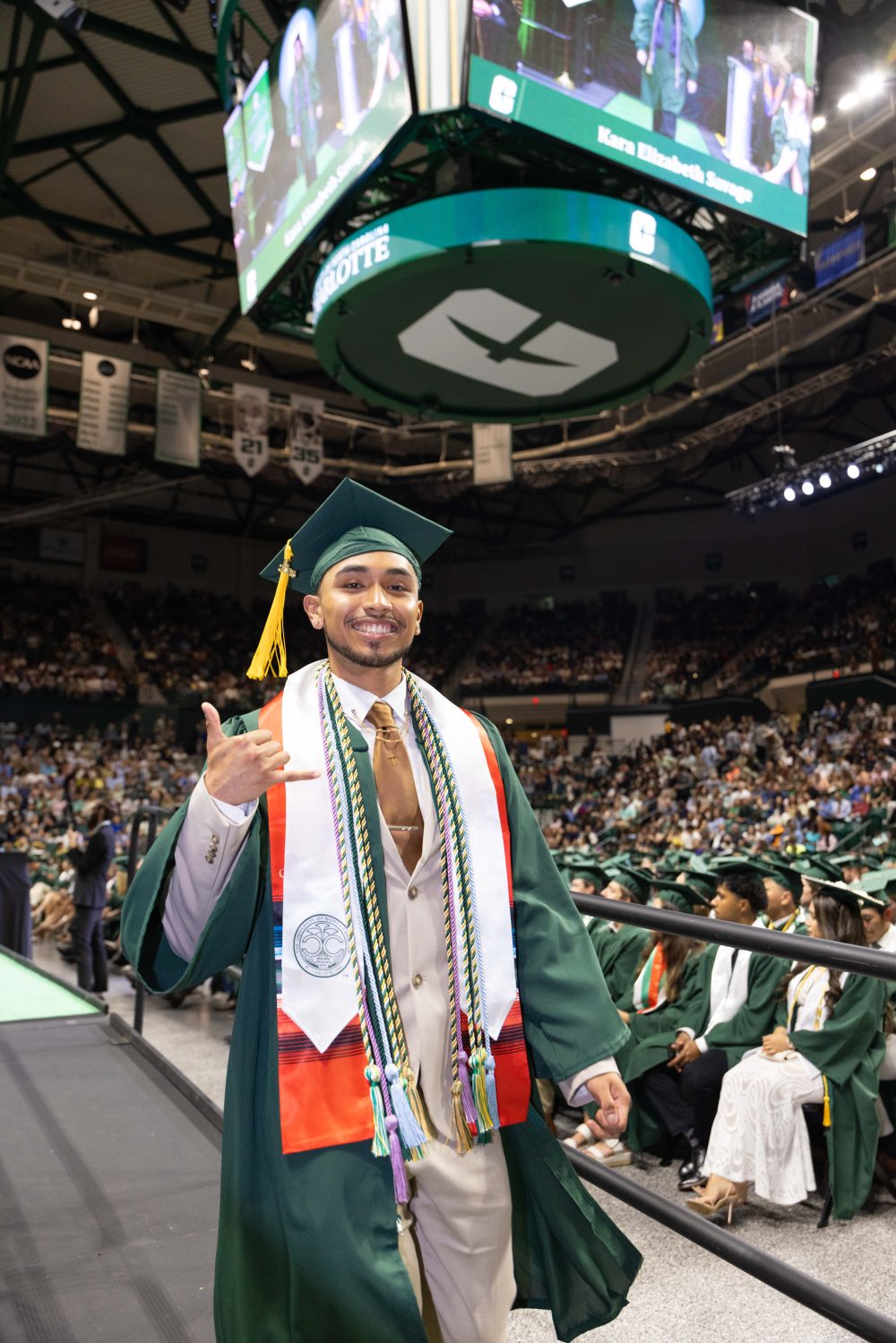
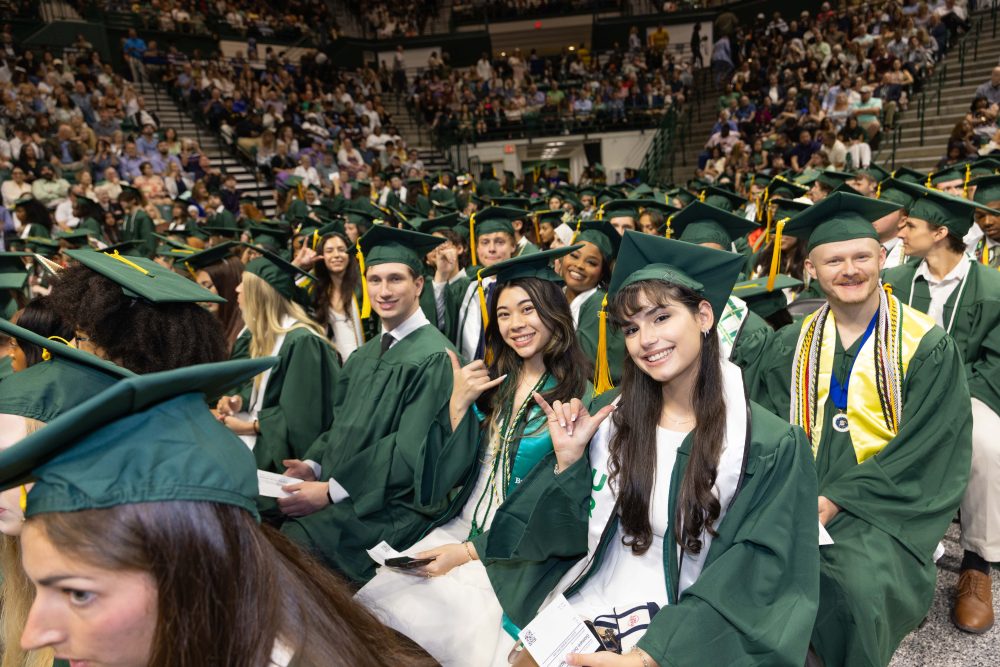
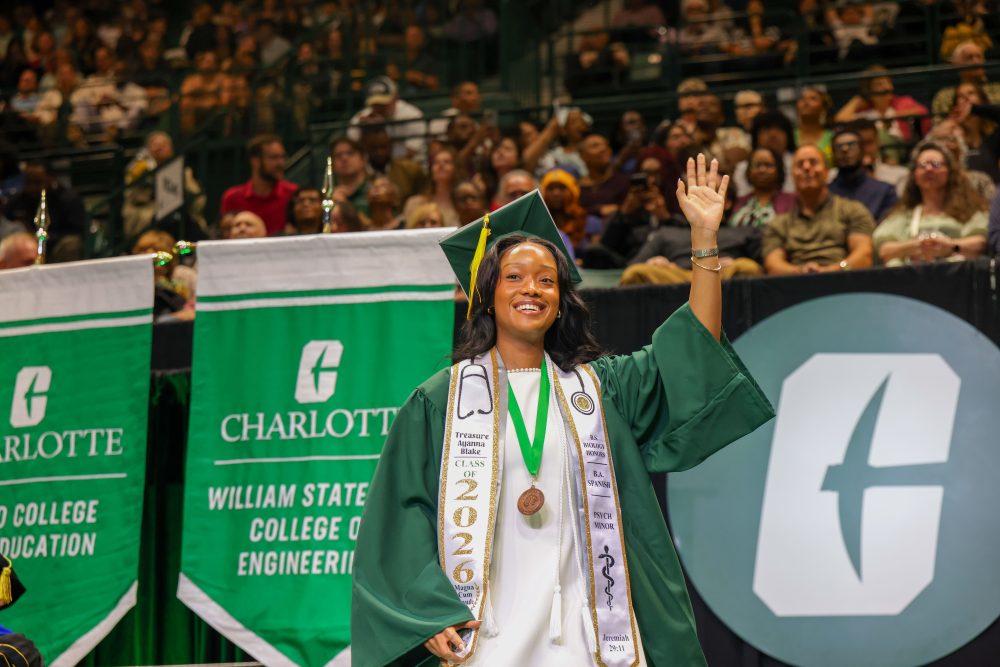
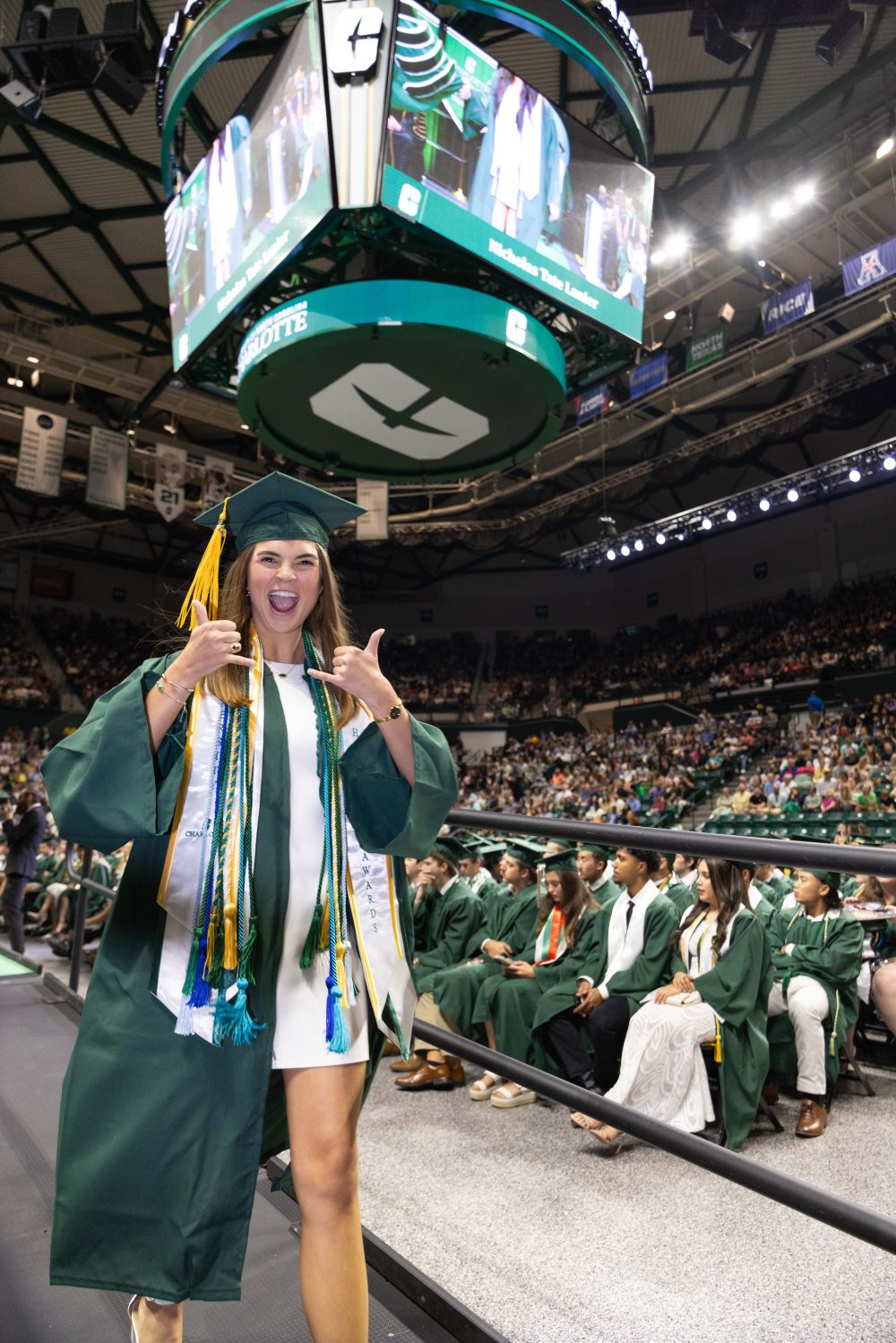
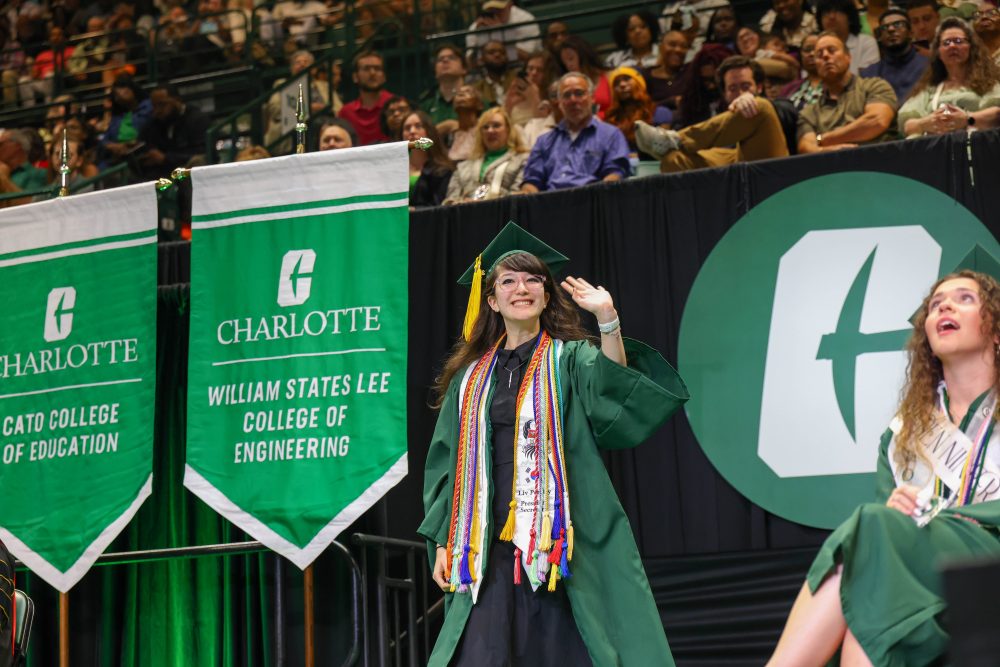
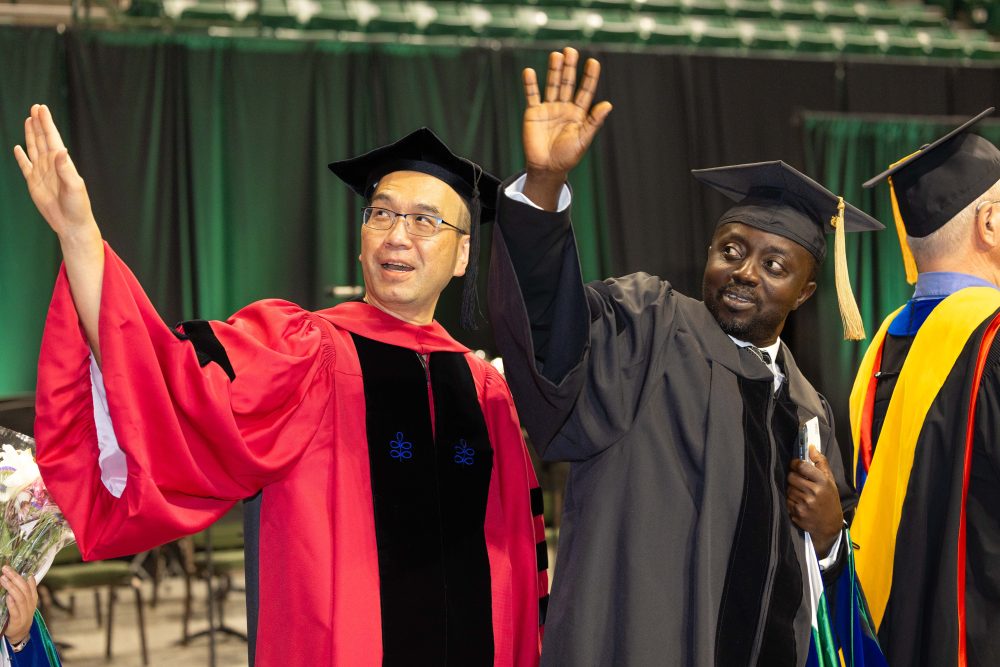
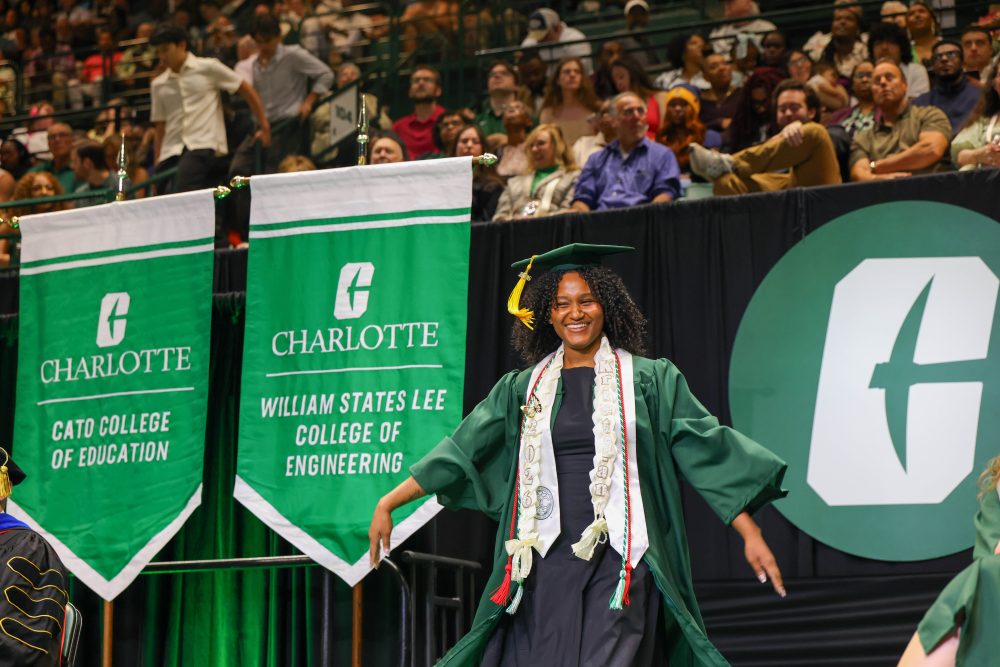
UNC Charlotte celebrated Spring Commencement with five ceremonies across three days, recognizing more than 5,780 graduates from 32 countries, 40 states and 88 North Carolina counties. The University’s graduating class ranged in age from 16 to 73 and included six sets of twins.
The Klein College of Science awarded 286 bachelor’s degrees during the Saturday morning undergraduate ceremony and more than 40 master’s and doctoral degrees through the Graduate School on Thursday and Saturday afternoons.
At Thursday’s doctoral hooding ceremony, Kaitlin Klotz ’16, ’18 M.S. served as the bell ringer, a tradition that honors a graduating student who exemplifies academic achievement and University engagement. Klotz is earning a Ph.D. in biology with a concentration in molecular, cellular and developmental biology.
During her doctoral studies, Klotz served as a Graduate Life Fellow and mentored undergraduate researchers. She also held leadership roles in Graduate and Professional Student Government, first as chief of staff and later as president for the 2024–25 academic year. Her service was recognized with a Chancellor’s Award at the University Honors and Awards ceremony.
This spring marks Klotz’s third degree from UNC Charlotte, following a bachelor’s degree in biology in 2016 and a master’s degree in bioinformatics in 2018. In her bell ringer application, she reflected on the significance of closing her academic journey with the ceremony.
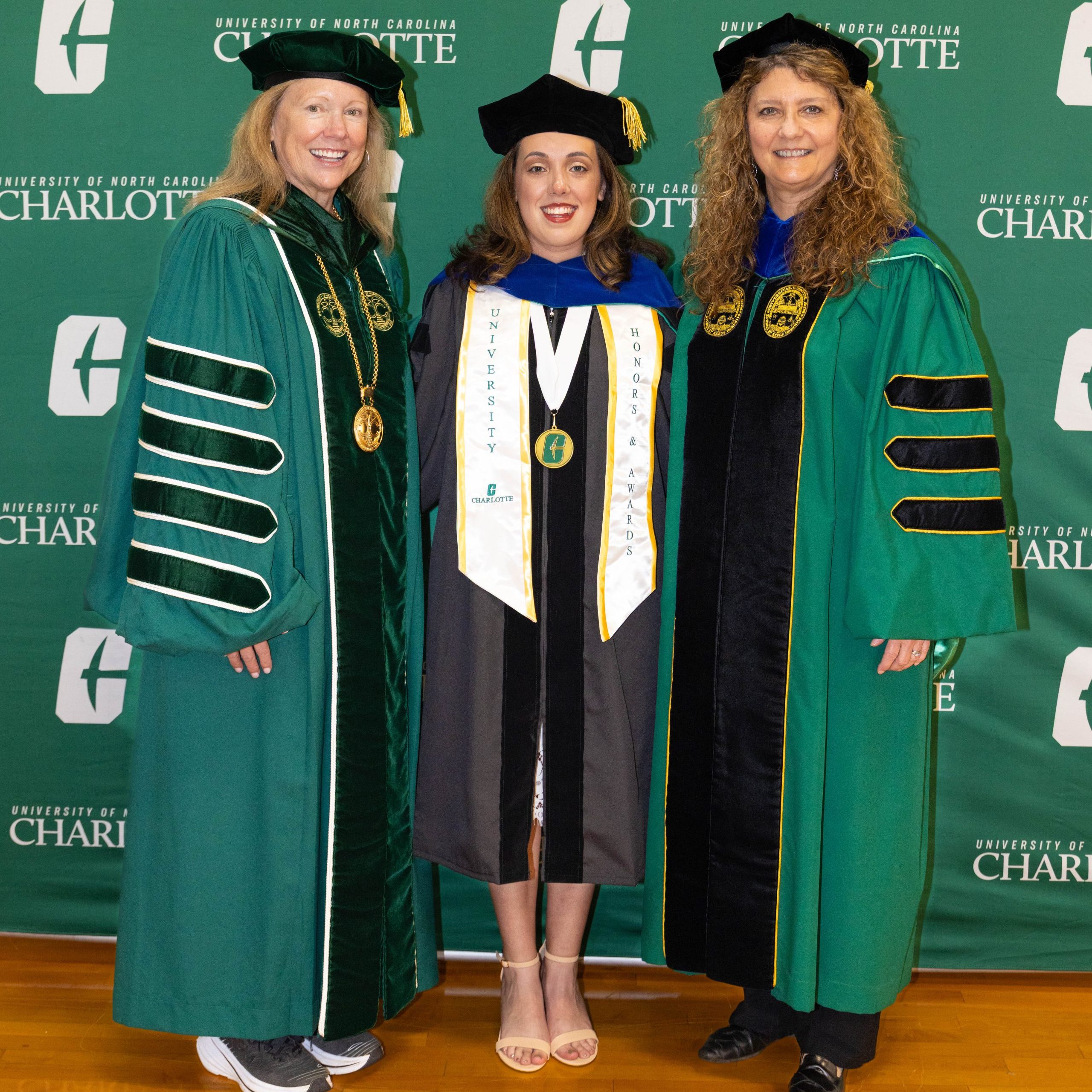
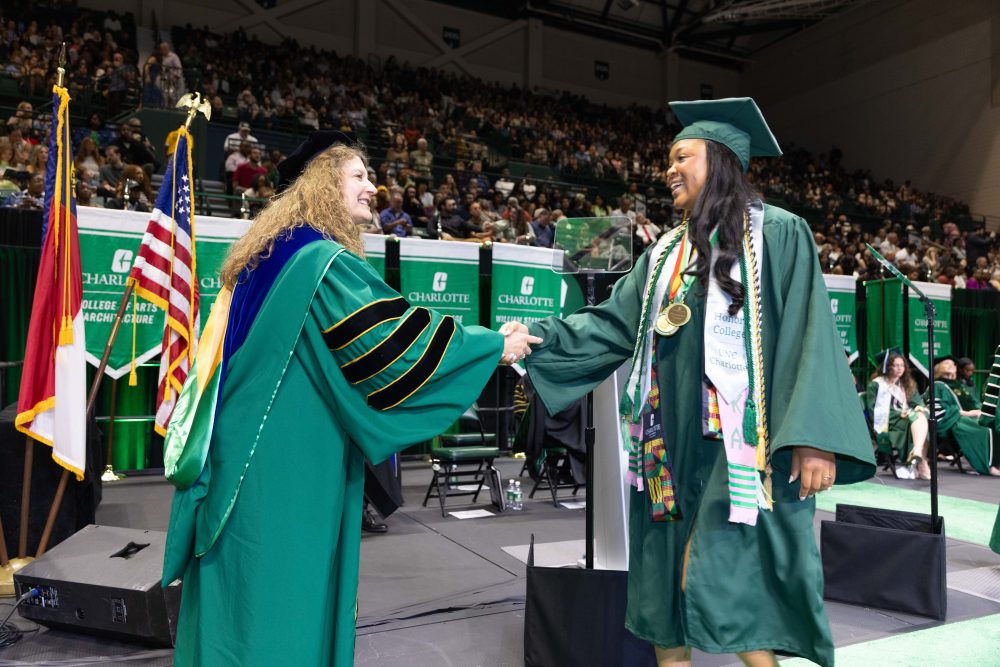
UNC Charlotte Chancellor Sharon L. Gaber, Klotz, Klein College of Science Founding Dean Bernadette Donovan-Merkert.
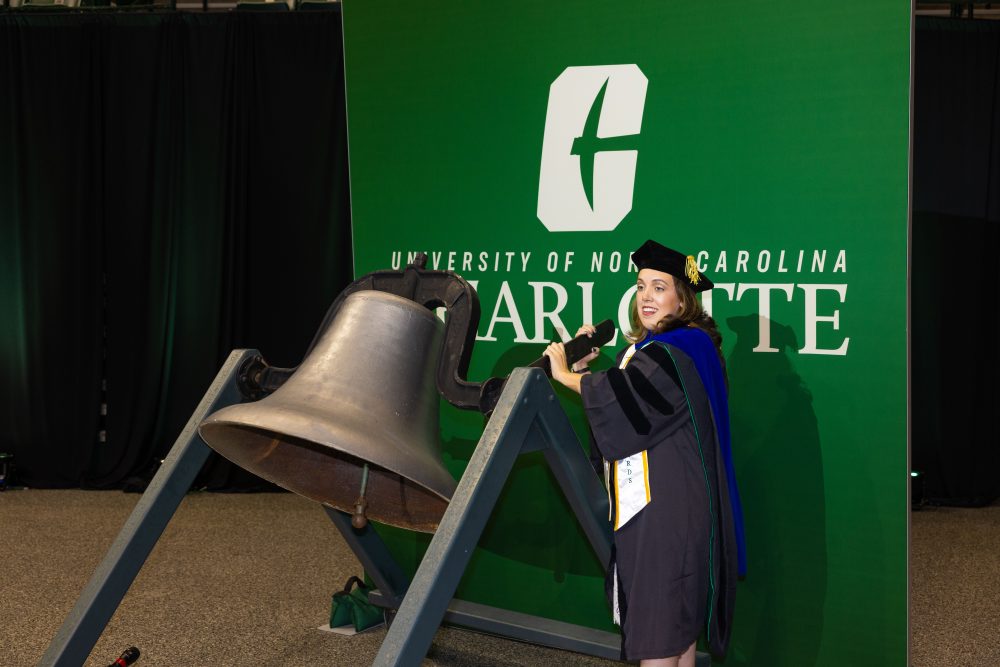
“My time as a doctoral student has been defined not only by scientific discovery, but also by service, mentorship and a commitment to strengthening the graduate student community in the place that has been my home for more than a decade,” Klotz said.
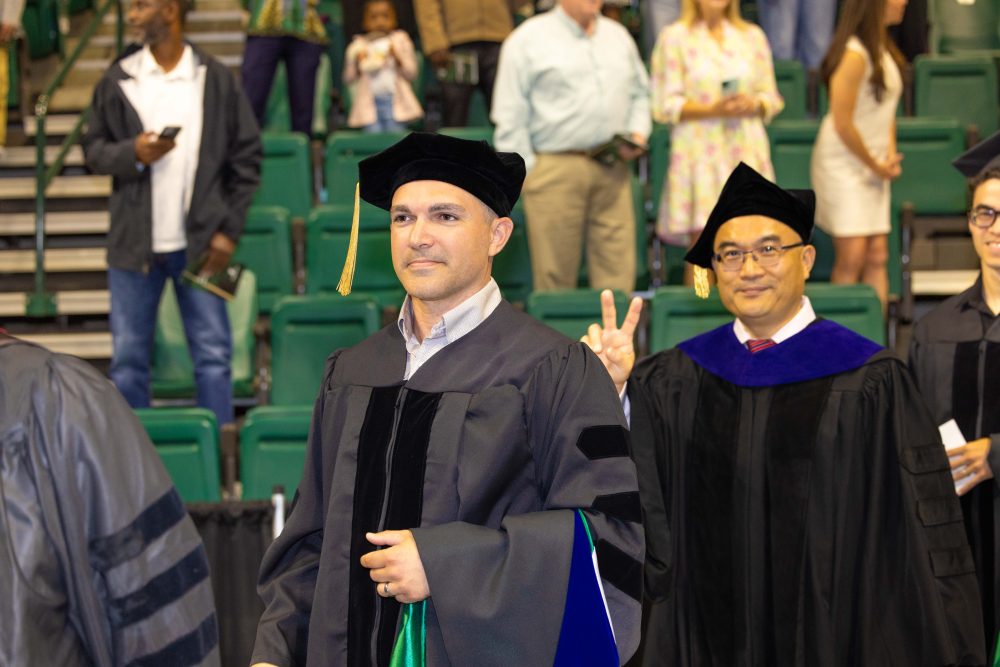
KCOS students Naz F. Tumpa, Jada A. Jordan and Prenitaa A. Kamdar served as student marshals during the ceremonies. The honor of being a student marshal goes to juniors who have the highest cumulative grade point average among full time students during the previous two semesters. The honor of being a Graduate School student marshal goes to students who exemplify outstanding academic and leadership skills.
The Klein College of Science held a reception to celebrate the graduates in Klein Hall on Saturday after the undergraduate ceremony.

Vera Ntasin turns gut feeling into academic success
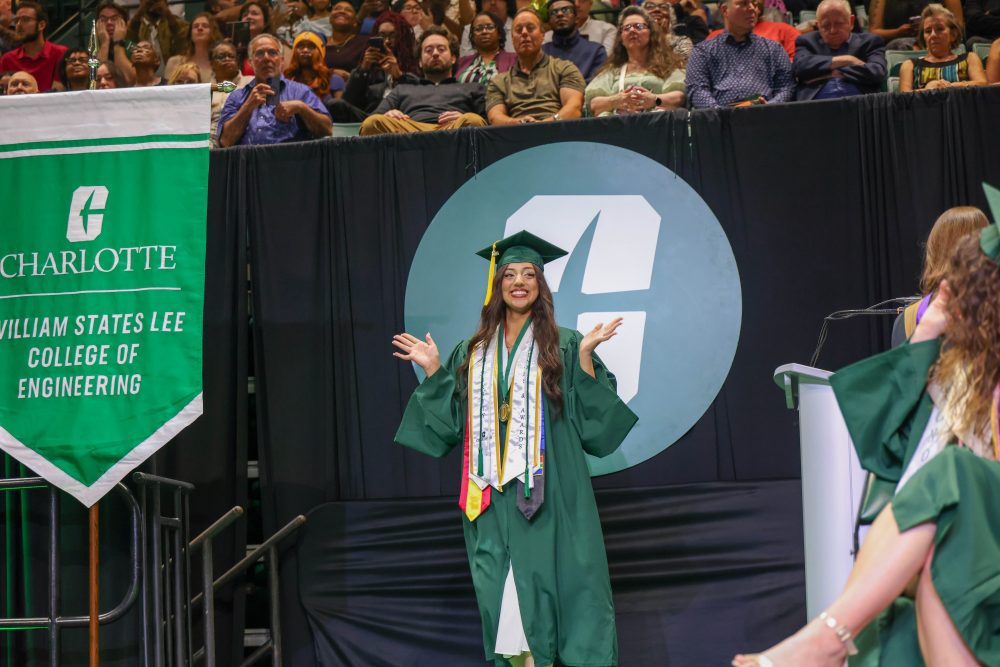
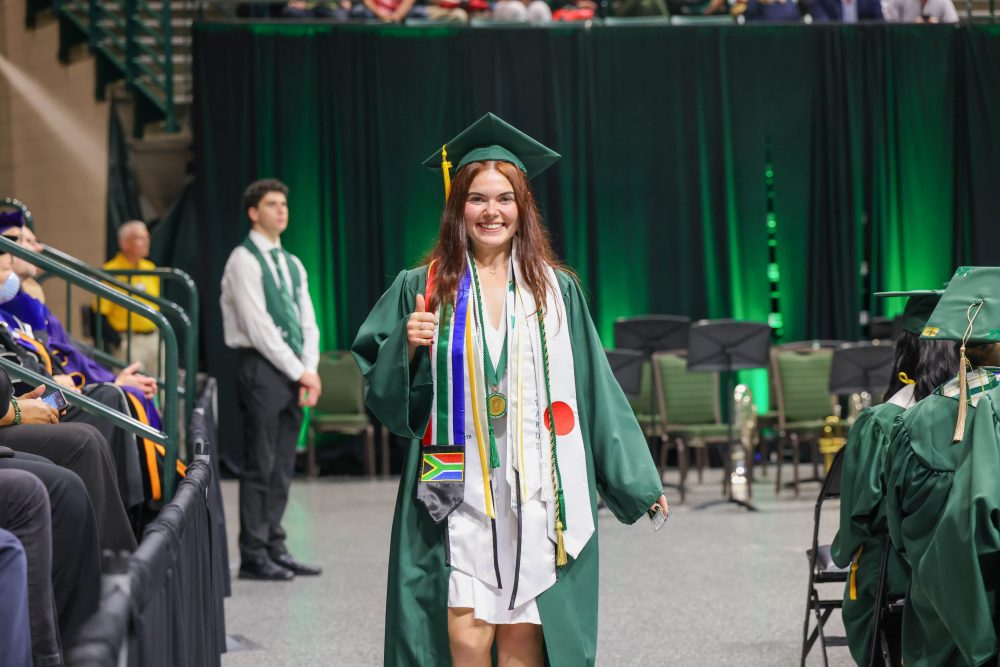
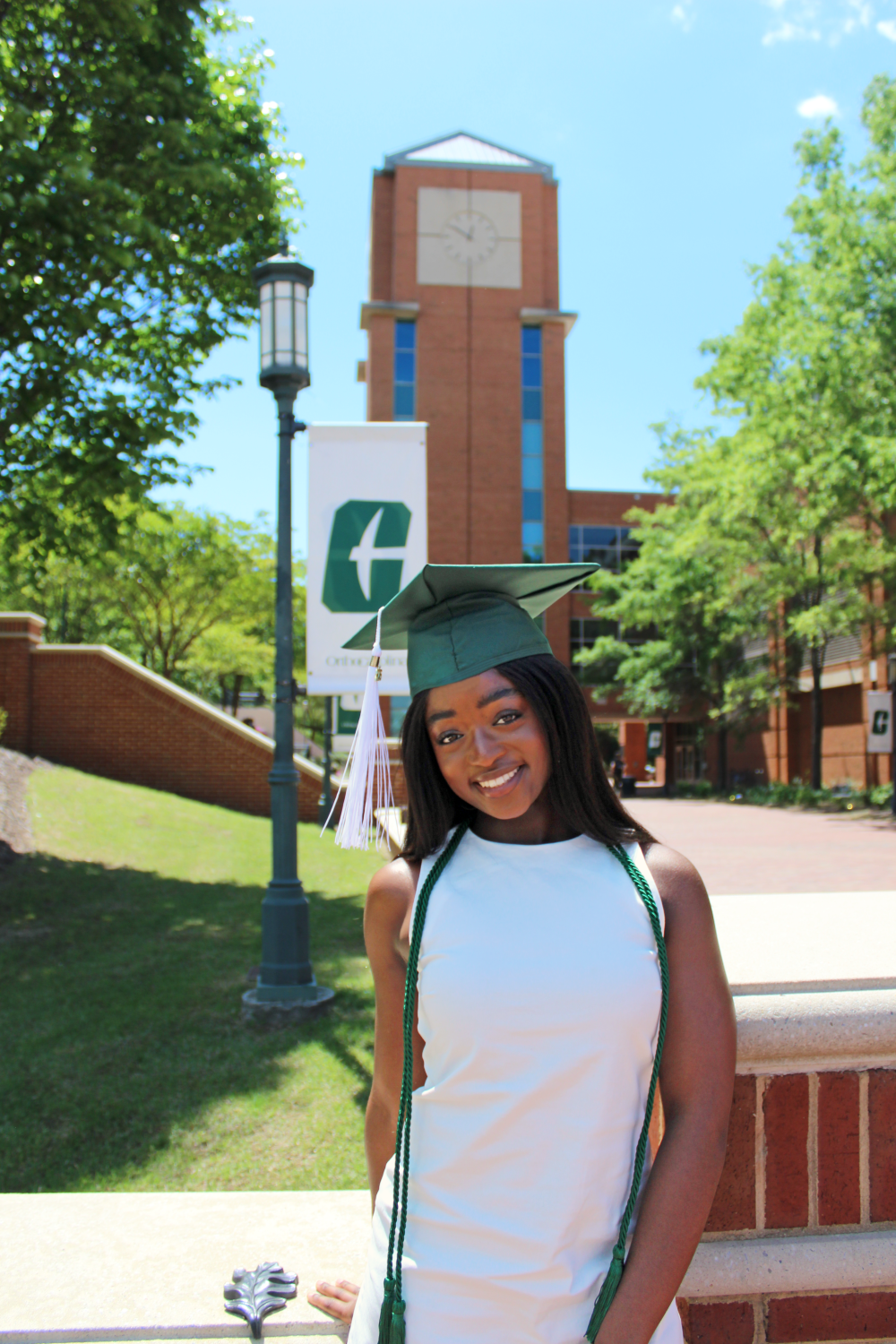
As a high school senior, Vera Ntasin made the decision to attend UNC Charlotte on a gut feeling. This spring, the Charlotte native will graduate with a mathematics degree from the Klein College of Science, a data science minor and extensive professional experience with top companies in her field.
“I honestly chose to come to Charlotte by a gut feeling. I didn’t even tour while I was a prospective student, I just applied, got accepted and enrolled,” Ntasin said. “Looking back, it’s one of the best decisions I’ve ever made for myself because it’s really been an enjoyable time here at Charlotte.”
Her undergraduate years have been shaped by academic discovery, community and a growing confidence in her abilities.
“The location of the University means that there are so many resources that we have access to and different companies that are looking for students to hire and support during their time here and beyond,” Ntasin said. “The resources, community and the support here in Charlotte have been incredibly helpful.”
Ntasin enjoyed her undergraduate experience so much that she is not leaving the University after commencement. Instead, she is continuing her education in UNC Charlotte’s Data Science and Business Analytics master’s program within the College of Computing and Informatics. Ntasin has already completed multiple courses, aiming to graduate with a master’s of science in 2027.
Finding Her Academic Path
Ntasin entered college planning to study biology and become a doctor but quickly realized it was not the right fit. After talking with her family, her father encouraged her to consider his major, mathematics.
“There are so many different jobs that you can go into with math,” Ntasin said. “For me, I’m an indecisive person, so I wanted to graduate knowing I have many career options.”
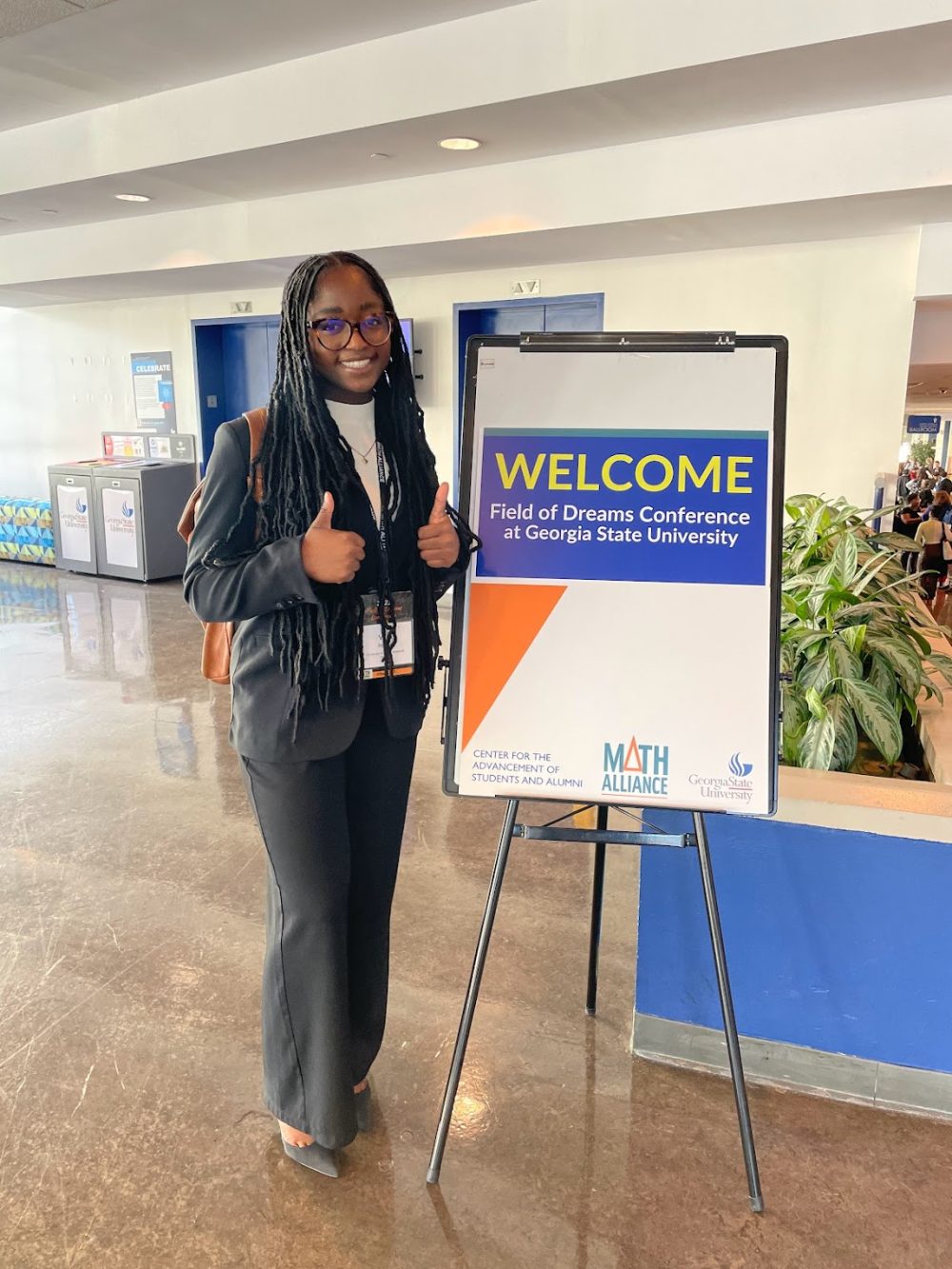
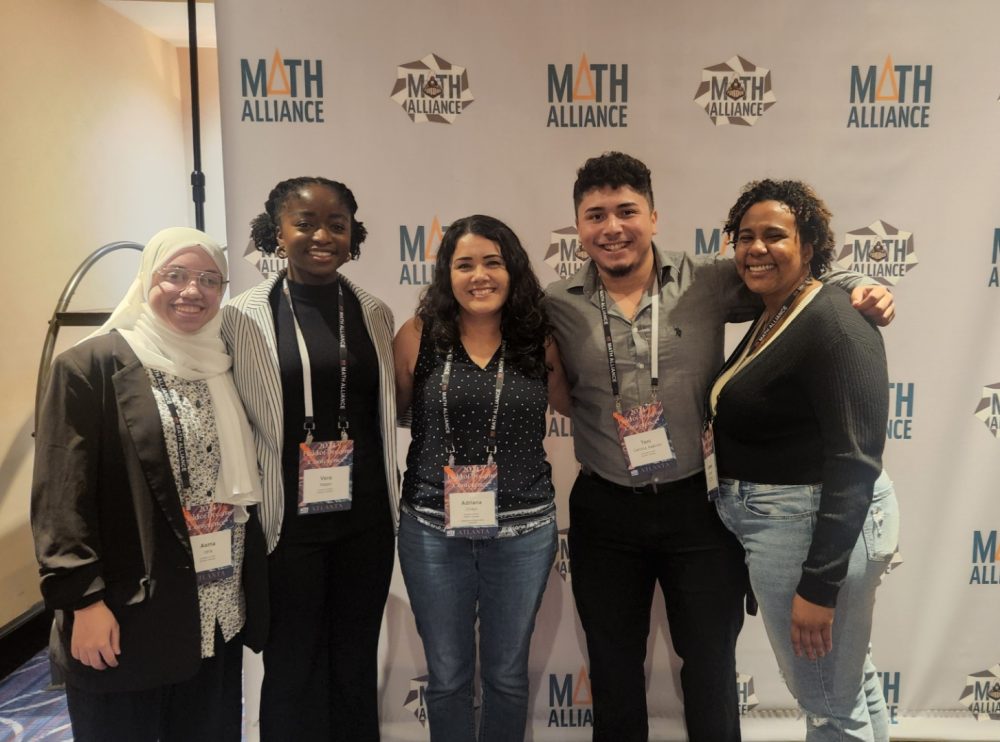
She gravitated toward her calculus courses, which challenged her and reshaped how she thinks. Then drawn to the field’s growth and opportunities in technology, Ntasin added a data science minor from the College of Computing and Informatics.
“As a STEM major, you won’t always understand what exactly is going on in every concept, it’s more about how it challenges you and teaches you to think,” she said. “But being able to see how the concepts that we’re learning are applicable in the real world has been really enjoyable as well.”
Campus Community and Leadership
Outside the classroom, Ntasin has built a strong campus community through mentorship and cultural connection.
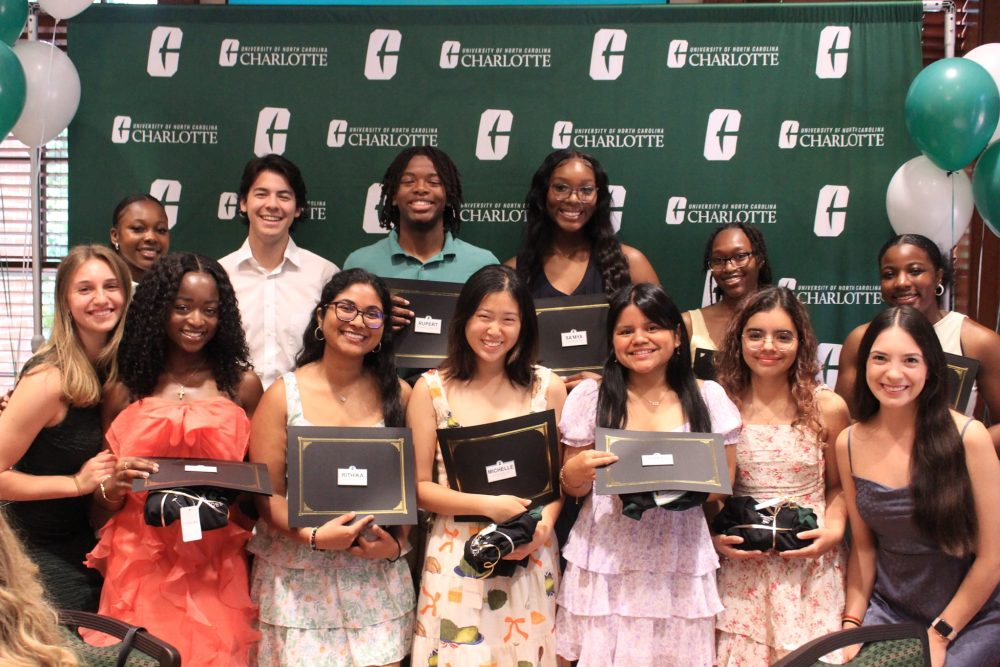
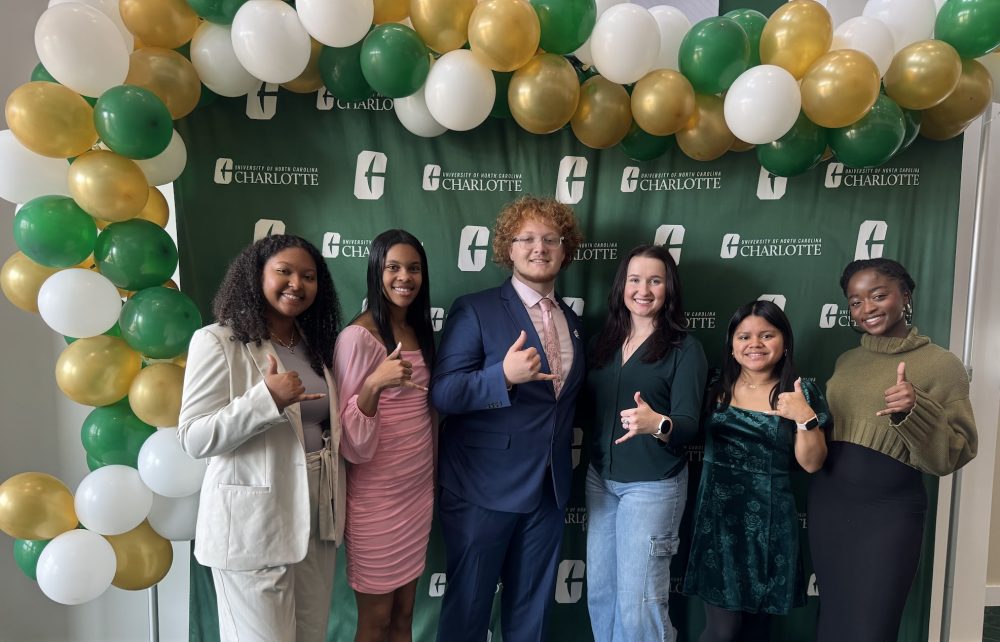
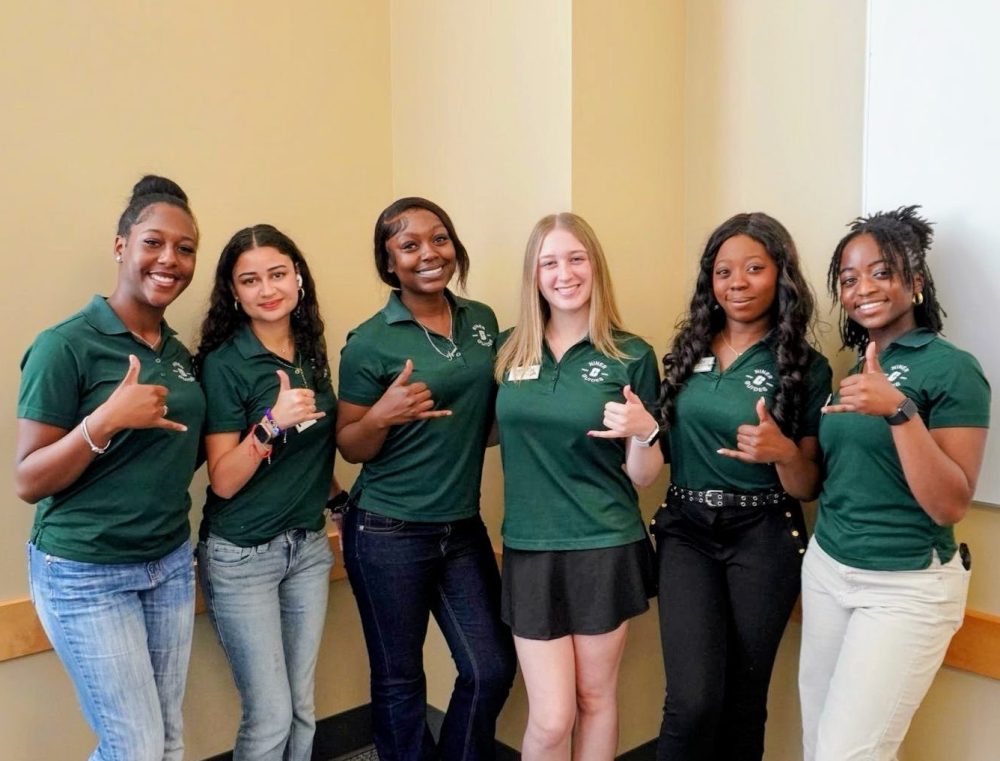
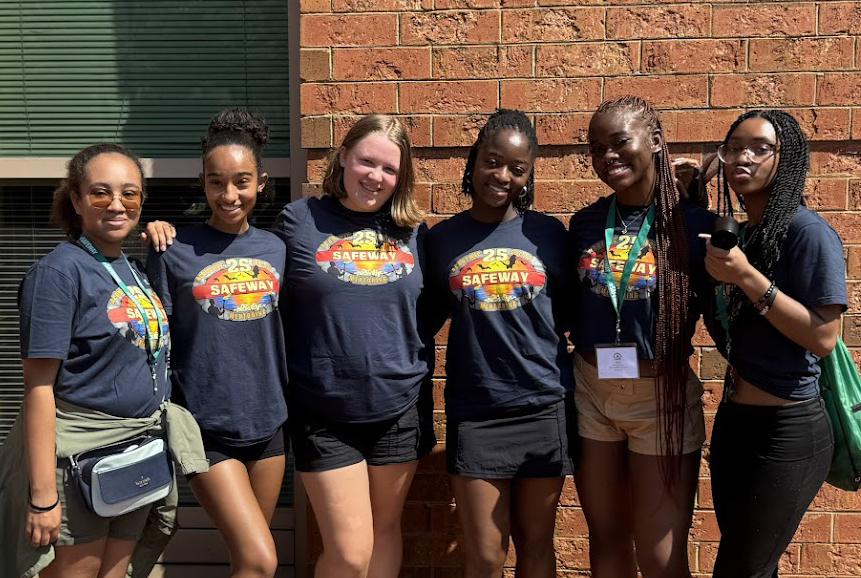
As a Niner Guide, she learned more about UNC Charlotte’s history and strengthened her public speaking skills. She also served as a mentor for the Students Achieving First‑Year Excellence (SAFE) program, a full‑circle moment after participating as a mentee her freshman year.
“I think that set me up for success and gave me a head start on building my community,” Ntasin said. “After my positive experience, I wanted to come back and be a mentor. It’s been a really rewarding and fun journey.”
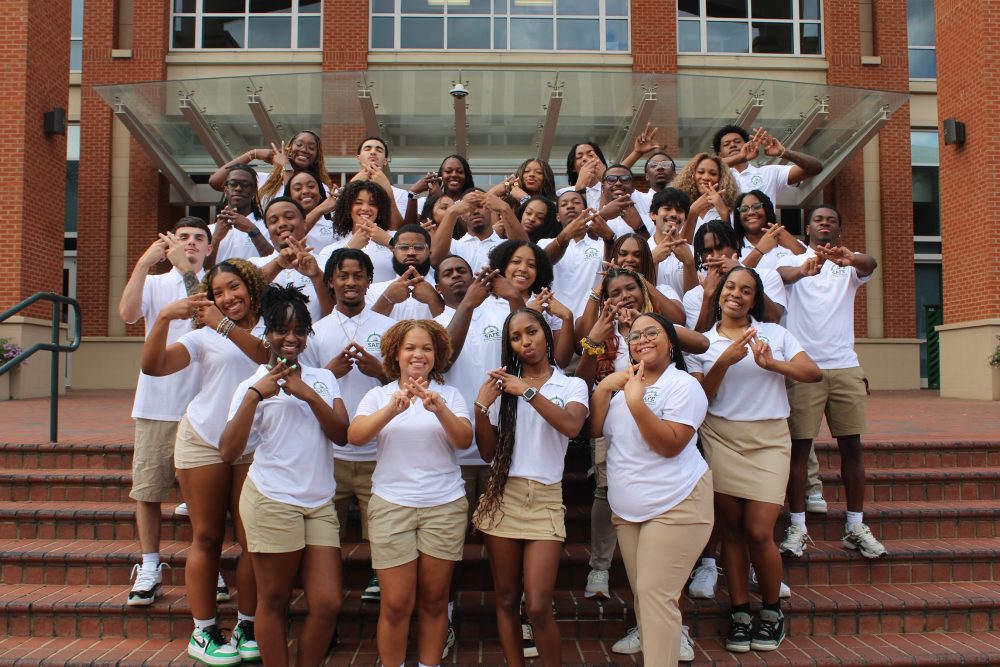
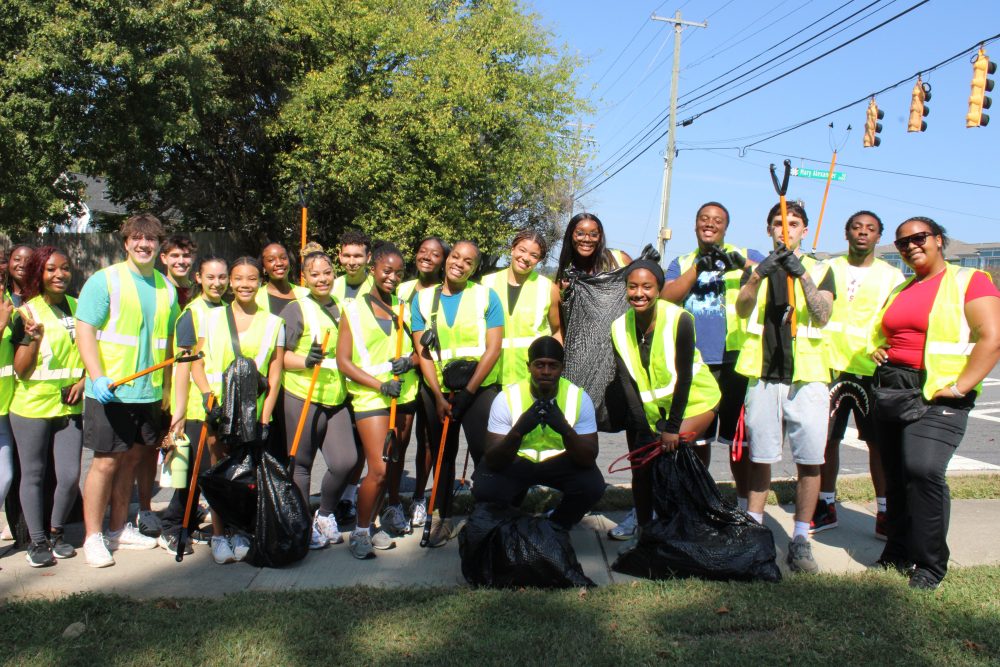
Her involvement with the Organization of African Students has been especially meaningful. As a first‑generation American with parents from Cameroon, she found connection in the group. Over the years, she has served as treasurer and dance coordinator and performed in the annual African Night showcase.
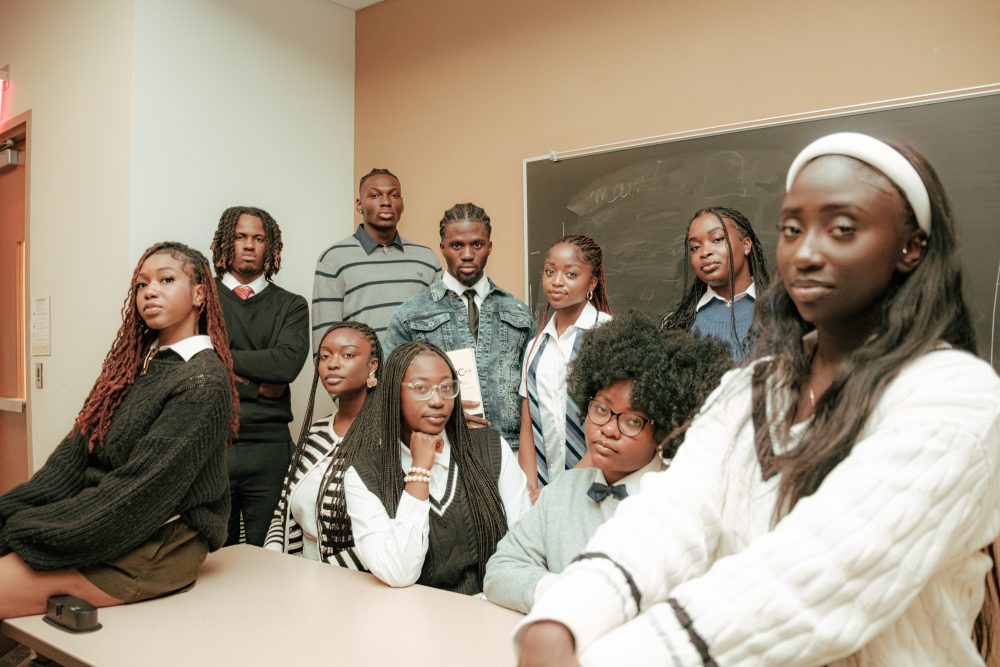

“That was one of the areas of community that I was looking for in college,” she said. “It’s been fun to express myself in different ways and meet students from other African countries with similar yet different experiences.”


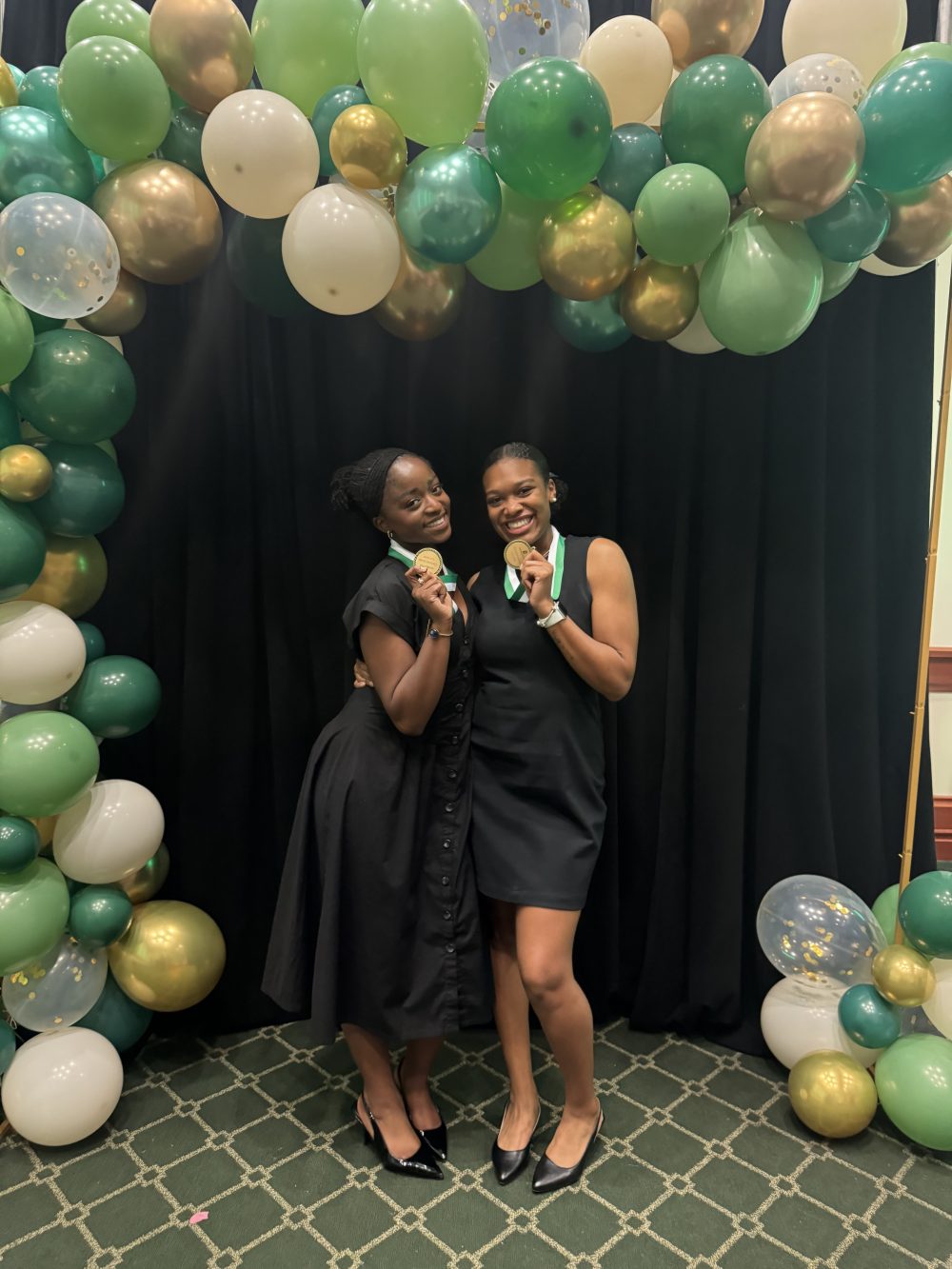
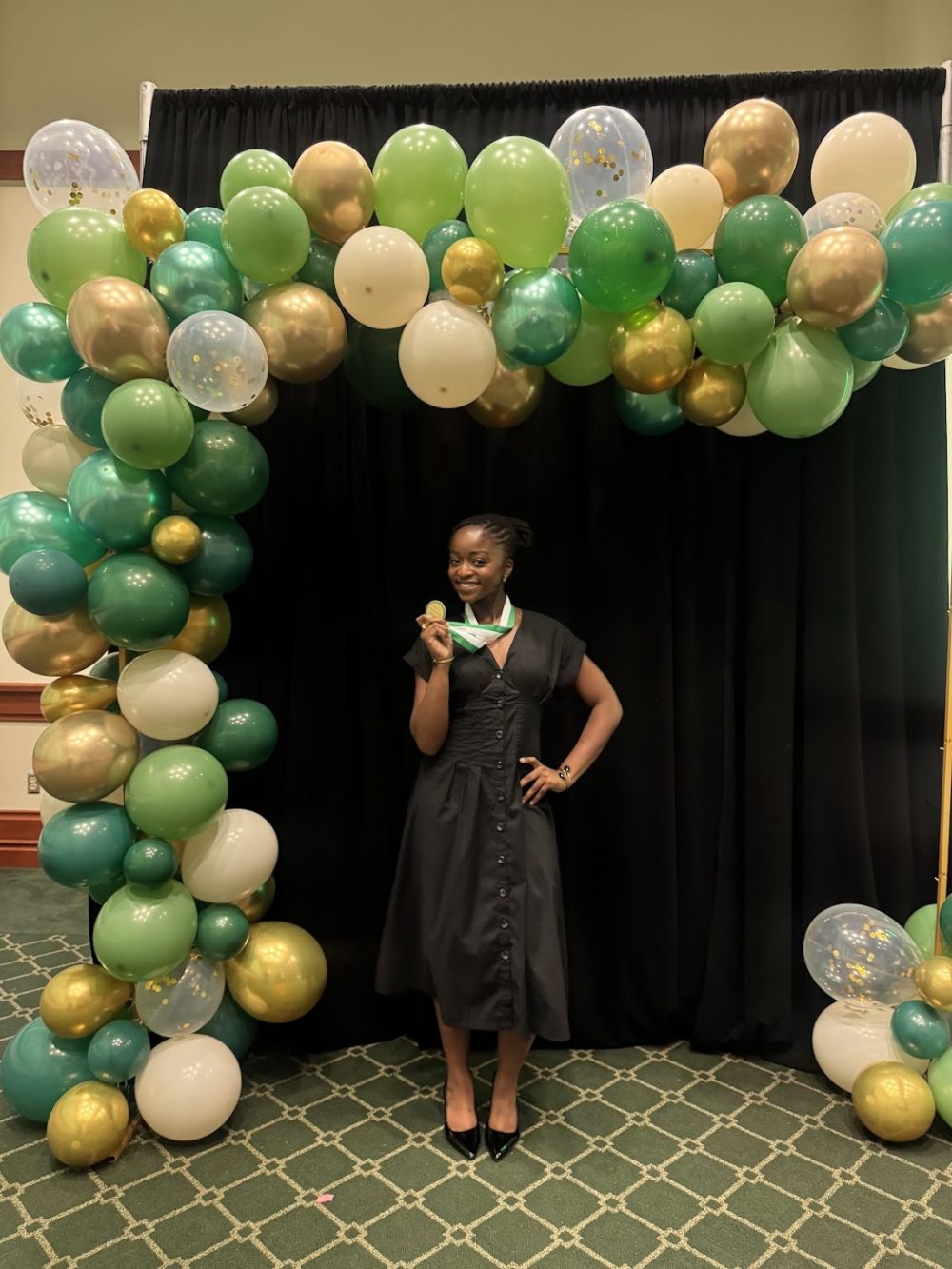
To honor her outstanding scholarship and leadership during her college career, Ntasin received a 2026 Distinguished Leaders Medal awarded by the Office of Leadership & Community Engagement.
Gaining Professional and Global Experiences
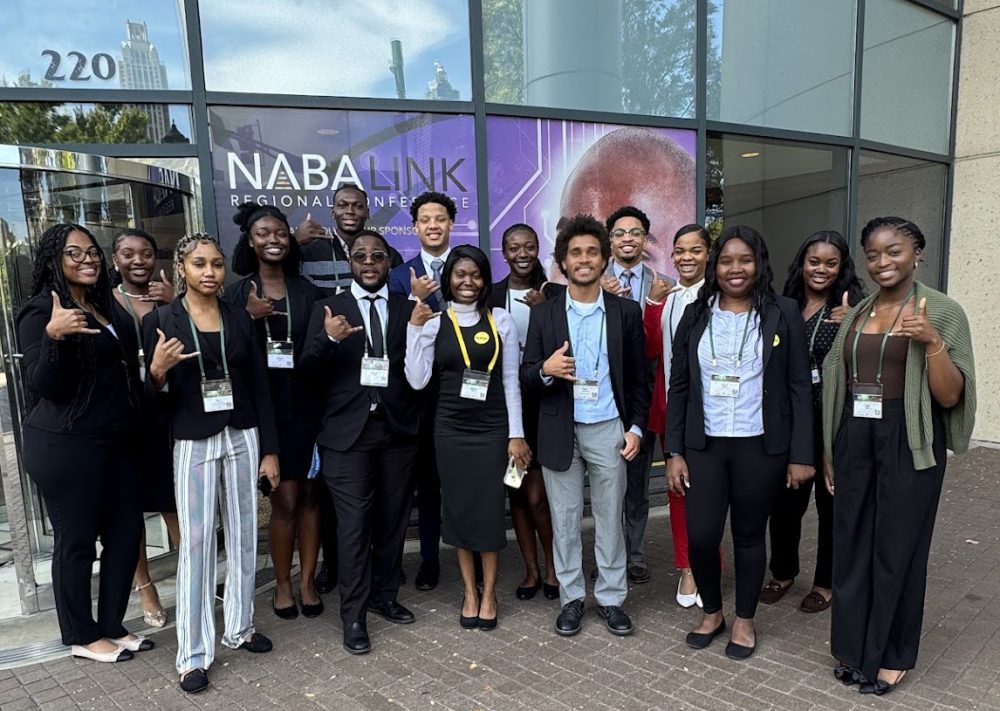
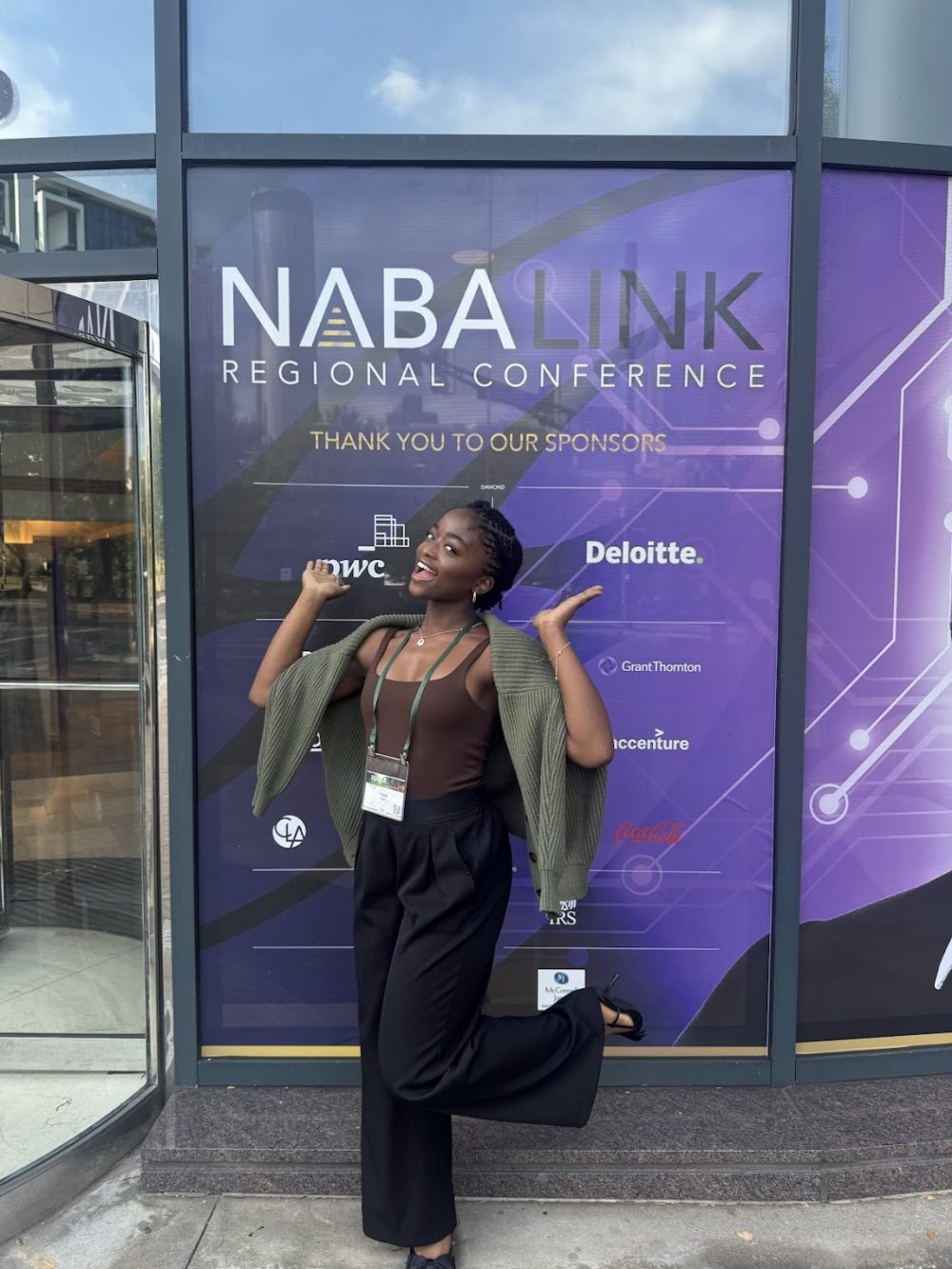
Ntasin’s internships and externships have taken her across the Southeast. She spent two summers in Deloitte’s summer internship program as a government and public services intern, first supporting a data visualization project for the Navy in Arlington, Virginia and then working on data analytics for Medicaid in Georgia.
“I had no prior knowledge of consulting. I just went into the opportunity with an open mind and I learned a lot,” she said.
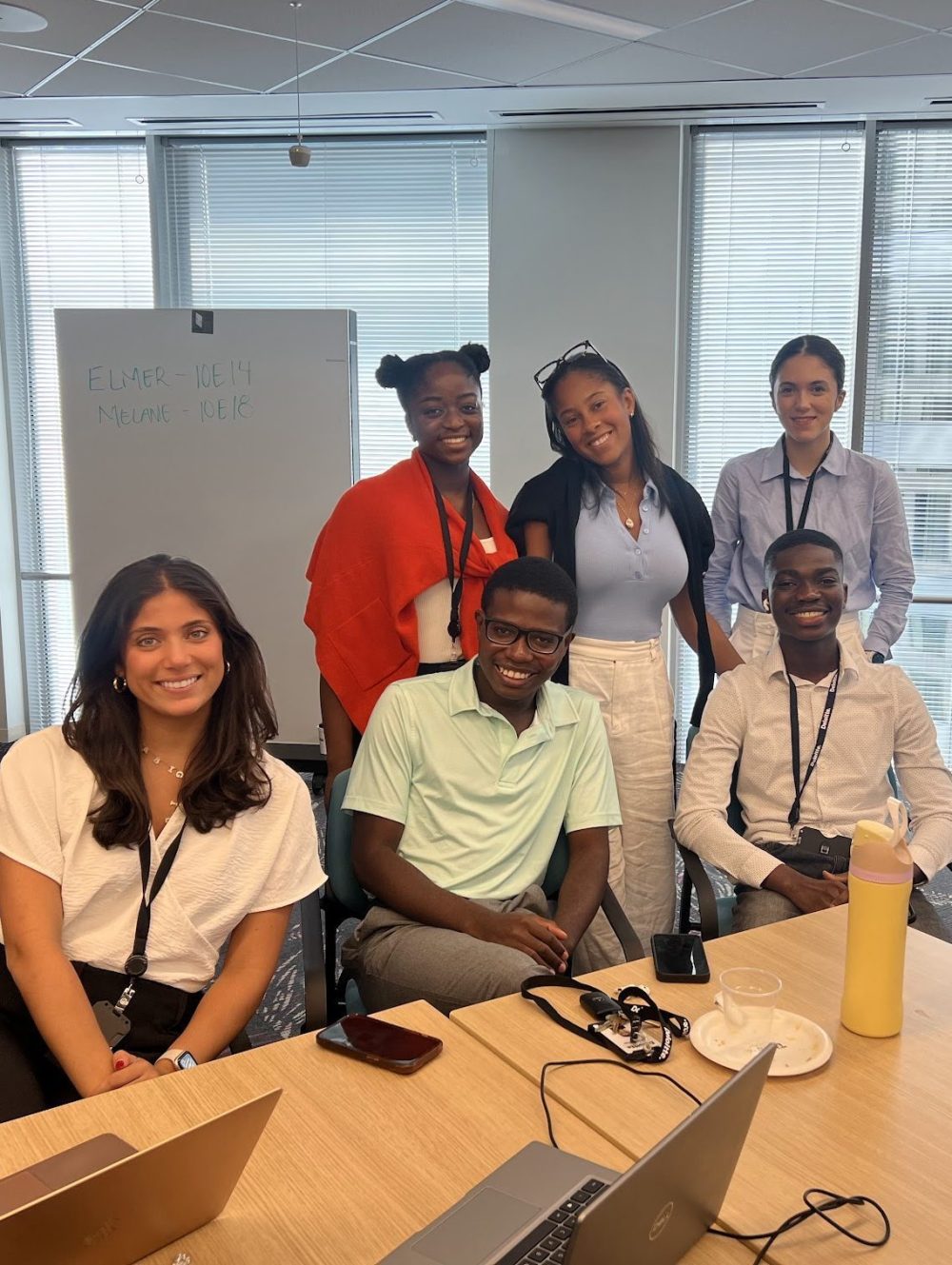

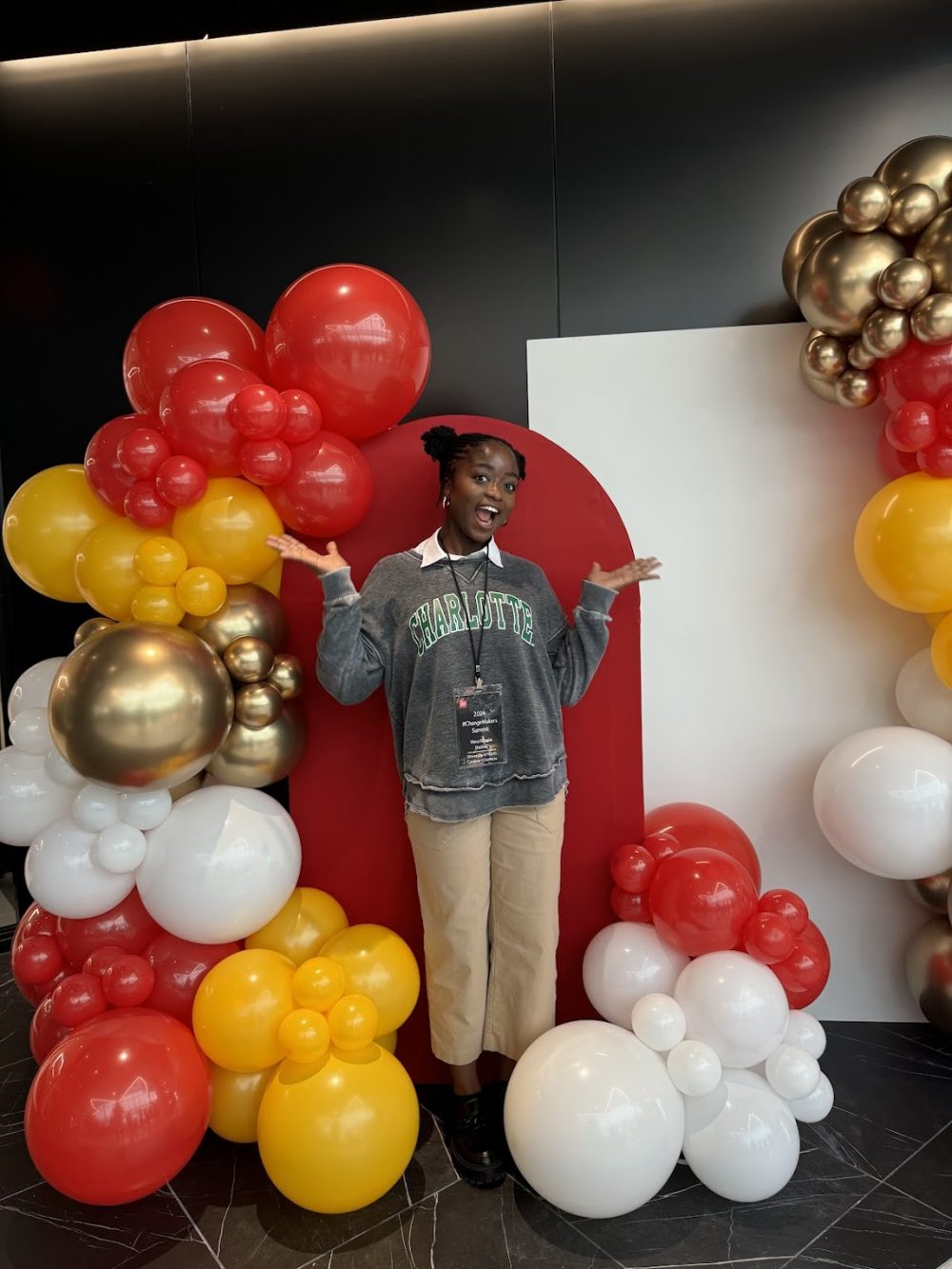
Most recently, she completed a Wells Fargo externship through the Data Science and Business Analytics program, working in corporate risk.
“It was definitely a challenge, especially because I was the youngest person in the program,” she said. “But I learned how to show up with my strengths and my capabilities in every room as authentically as I could.”
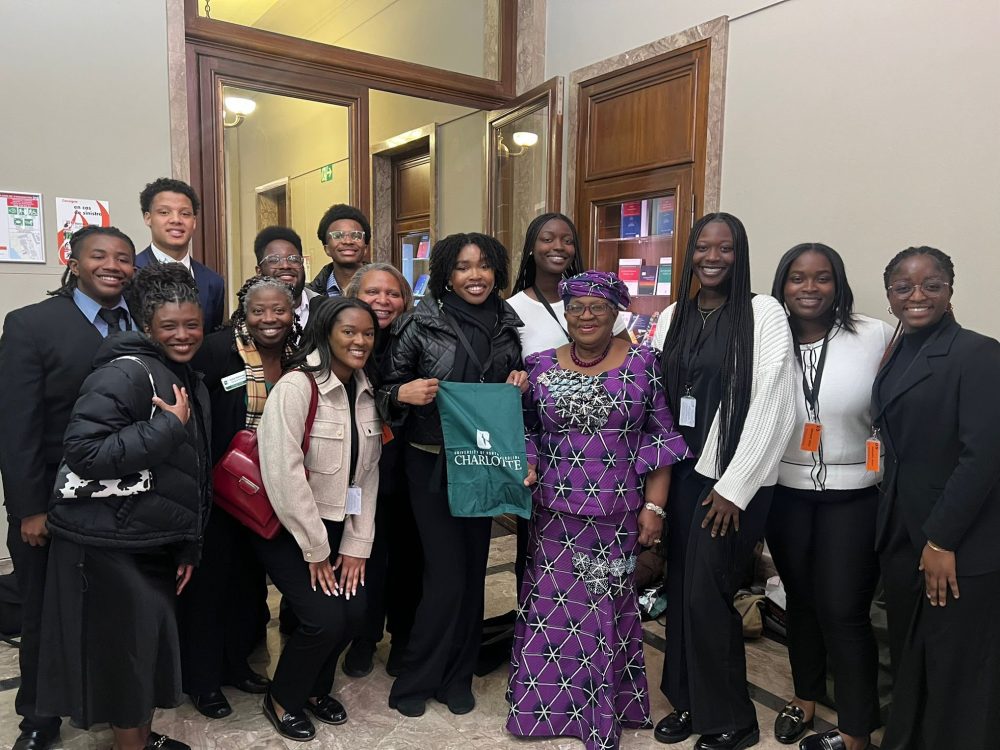
During her sophomore year, Ntasin studied abroad in Switzerland over spring break, her first time visiting the country. She loved experiencing a new culture, especially the public transportation system and the chocolate.
Family, Culture and What Comes Next
Ntasin credits her family as her greatest source of support.
“I can’t even express how grateful I am for my parents and siblings,” she said. “I have a very strong support system, which has been really helpful through this entire journey.”
She also draws strength from her Cameroonian heritage.
“In my culture, a phrase we say is ‘Wir Dze Wir Bii Wir,’ which translates to ‘Who you are is a reflection of those around you,’” Ntasin said. “The tribe that my family is from, Nso, was founded by a woman named Ngonnso. That has been really inspirational and a driving force in knowing I’m capable of anything I put my mind to.”
As she prepares to graduate, Ntasin says she will miss the spontaneity of undergraduate life, especially the late‑night Cook Out runs, impromptu pool days and the comfort of having friends just steps away.

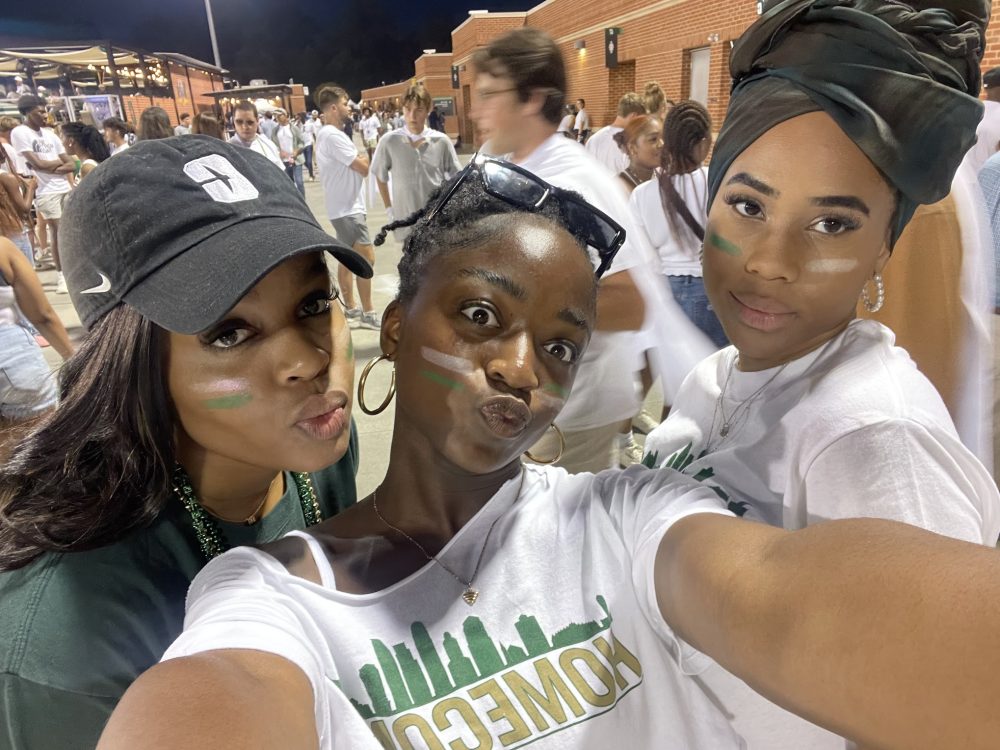
“I’ve made so many good friends during my time here at Charlotte that I can definitely say that I’ll be friends with past college,” she said.
Ntasin will celebrate commencement with her family and friends before starting summer classes. She plans to carry forward the confidence she built at Charlotte, trusting the same instinct that brought her here to guide her into the next chapter.
“As they say, all good things must come to an end,” Ntasin said. “So I’ll cherish my undergraduate experience, while also appreciating that growth comes with new beginnings.”
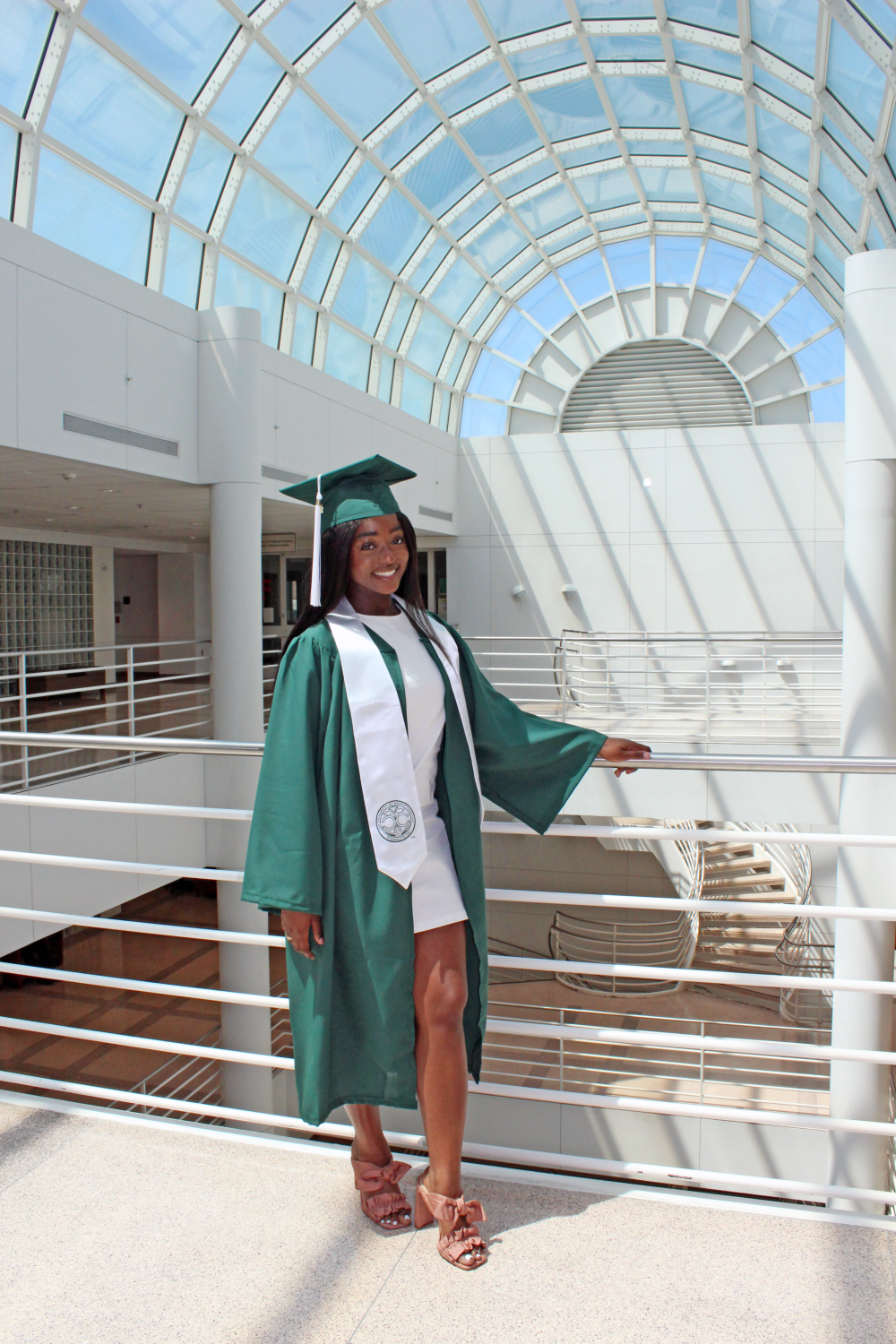
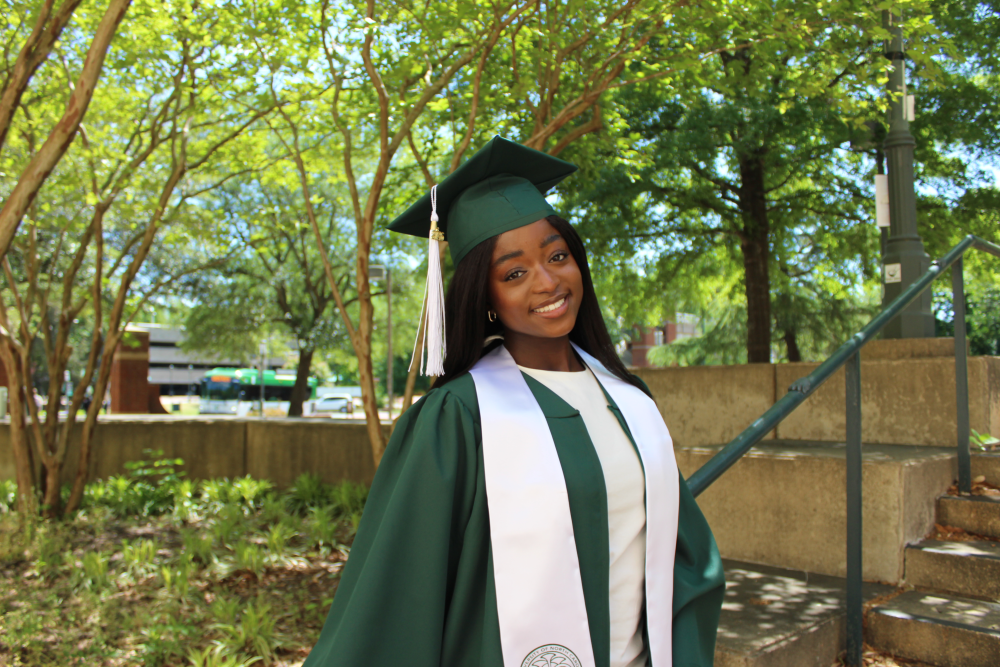
Photos courtesy of Vera Ntasin.
UNC Charlotte renames Department of Physics and Optical Science for Ishwar Aggarwal
UNC Charlotte celebrated the naming of the Ishwar Aggarwal Department of Physics and Optical Science, honoring the longtime faculty member whose gift marks the first time a sitting professor has endowed an academic department at the University.
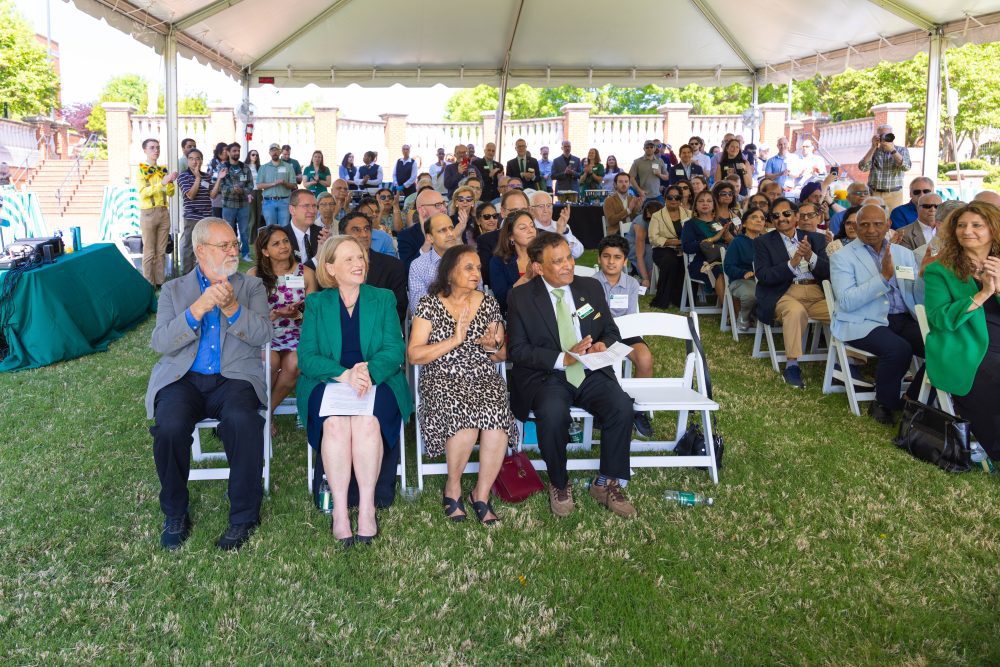
The ceremony drew campus and community leaders, faculty, students and research partners to the courtyard between Grigg Hall and Duke Centennial Hall, where Chancellor Sharon L. Gaber called the moment “a transformative milestone” for a rapidly rising research institution.
“When those who know us best — our own faculty — invest so deeply in our future, it sends a powerful message about the quality and trajectory of this institution,” Gaber said. She praised Aggarwal’s “heart for this University,” noting his enthusiasm for UNC Charlotte’s ascent to Carnegie R1 status and his belief that discovery must be matched by opportunity.
The gift from “Ish” Aggarwal and his wife Shail will support doctoral students and strengthen the department’s research capacity.
Provost Jennifer Troyer said the naming reflects both distinction and belief.
“It signals investment and sustained excellence in teaching, research and innovation,” Troyer said. “And no one believes more in the Department of Physics and Optical Science than Dr. Aggarwal.”
Troyer emphasized that attaching Aggarwal’s name to the department will help UNC Charlotte attract top faculty, expand research opportunities for students and elevate the University’s national and global visibility in STEM fields.
Founding Dean of the Klein College of Science Bernadette Donovan‑Merkert highlighted the department’s momentum, noting its 17 research labs and groups working in areas such as high‑power laser materials, nanofabrication, super‑resolution imaging and metamaterials.
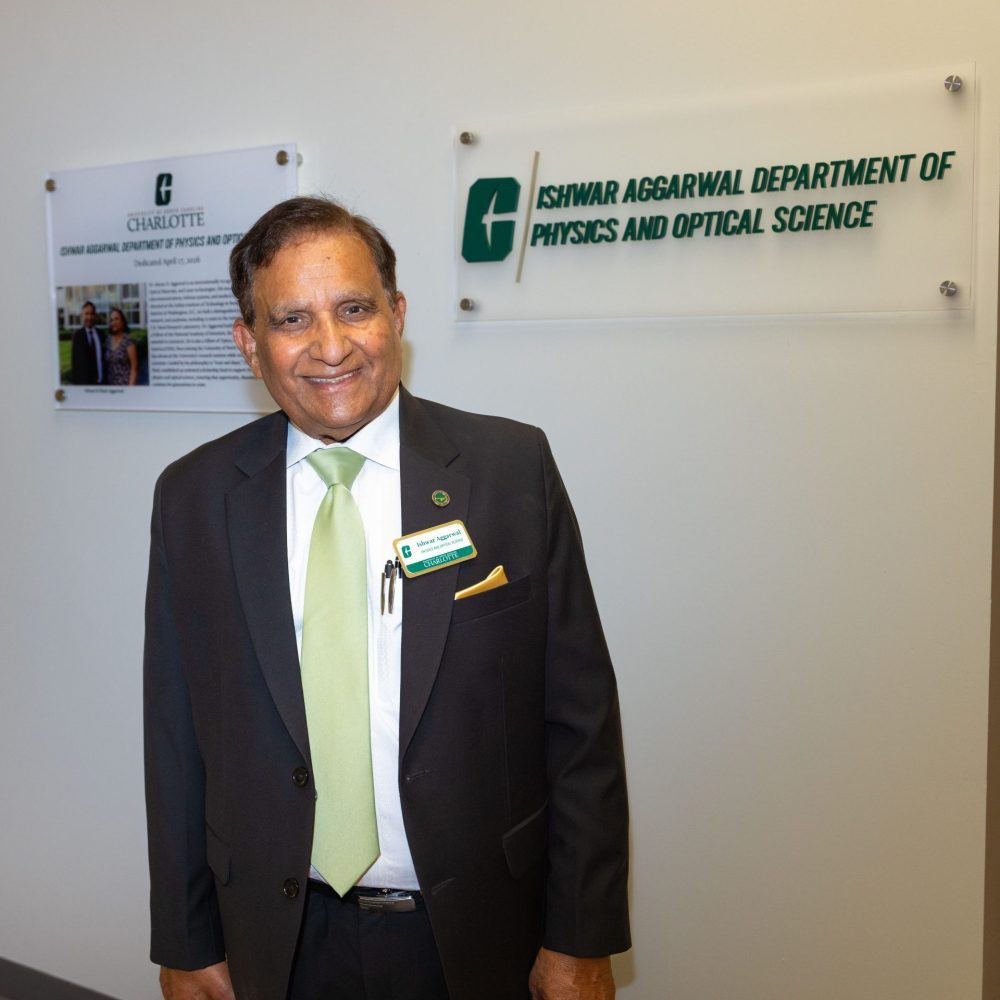
“One of the brightest examples of excellence within the Klein College is our Department of Physics and Optical Science,” she said. “Today, we are fortunate to recognize a member of this community whose career embodies the innovation and service at the heart of our mission.”
Aggarwal, a pioneer in optical materials and devices, joined UNC Charlotte in 2011 after a distinguished career in industry and at the U.S. Naval Research Laboratory. He holds 104 U.S. patents and more than 500 peer‑reviewed publications. At Charlotte, he built the Ultra High Energy Laser Optics program and became the University’s first professor to be named a Fellow of the National Academy of Inventors.
Aggarwal delivered his remarks to a standing-room-only audience, reflecting jovially on his career and thanking the family, friends and research partners that supported him through a career spanning more than five decades.
“I can tell you in 55 years, I had fun. I never had a boring day,” said Aggarwal.
He discussed the importance of teams and how he sought groups of faculty to leverage different areas of expertise and collaborate on projects together.
“At UNC Charlotte, I wanted to bring the ideas of teams with two or three professors working together. Everybody shared their thoughts and their inventions, openly,” Aggarwal said. “You take one invention and add another idea in science and make something where it becomes much, much better. You can take a pot and a handle, and when you put them together, it becomes a bucket.”

Aggarwal noted that his own education involved teamwork as well, sharing that he received scholarships at every level of his education. This helped shape the family’s decision to make a gift that will offer scholarships to students.
“In our family, education was everything. So my parents and my brothers focused on education and that was my inheritance,” said Aggarwal.
Aggarwal ended his remarks with more thanks to University leaders, his teams and research partner Thomas Hutchens.
“Shail and I are thrilled to be able to give this money, and I thank all of you for your support,” Aggarwal said.
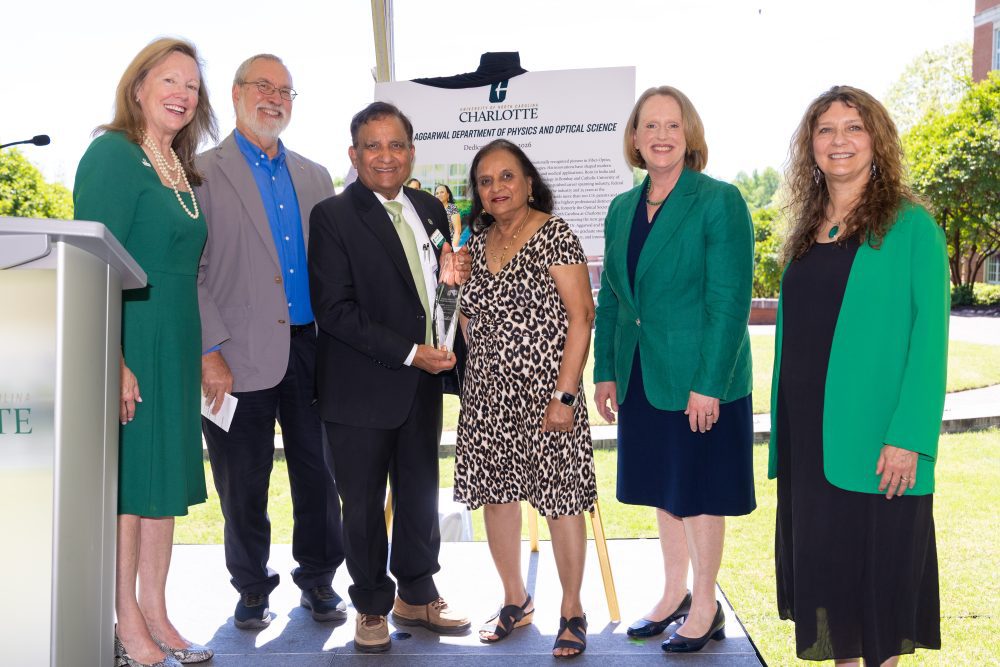
Department Chair Glenn Boreman took to the stage and presented a commemorative gift to the Aggarwals, joined by Gaber, Troyer and Donovan-Merkert in unveiling the departmental signage, bearing the new name.
“Ish’s leadership, scholarship and relentless pursuit of innovation have elevated our department and expanded the boundaries of what is possible in optics,” Boreman said. He noted that alumni trained in the department now work in federal laboratories and major technology companies including Corning, Raytheon, Apple, Meta and Zeiss.
Boreman said the Aggarwals’ gift will continue advancing optical science for years to come.
“Naming this department in his honor recognizes not only his remarkable career, but also the legacy he continues to build through mentorship, discovery and innovation,” he said.
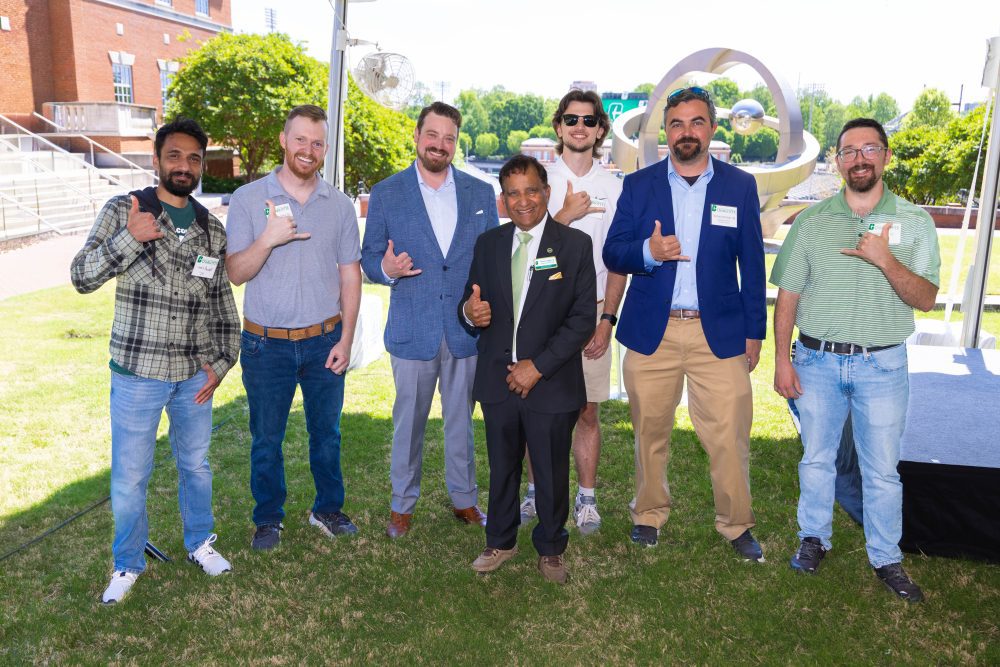
UNC Charlotte Botanical Gardens enter ‘Bloom Watch’ for (another) first‑time corpse flower
UPDATE: as of Monday, April 27 at 2:30 p.m., Smellvis is opening. The McMillan Greenhouse will be open extended hours for viewing (and smelling!) until 11 p.m. on April 27.
Visitor parking is available in East Deck 1. Bring your ticket with you to the McMillan Greenhouse to validate it for free parking. Limited ADA parking is available in Lot 16A with a placard.
Smellvis can’t wait to meet all its adoring fans! Keep watching the live bloom stream if you’re unable to come in person.
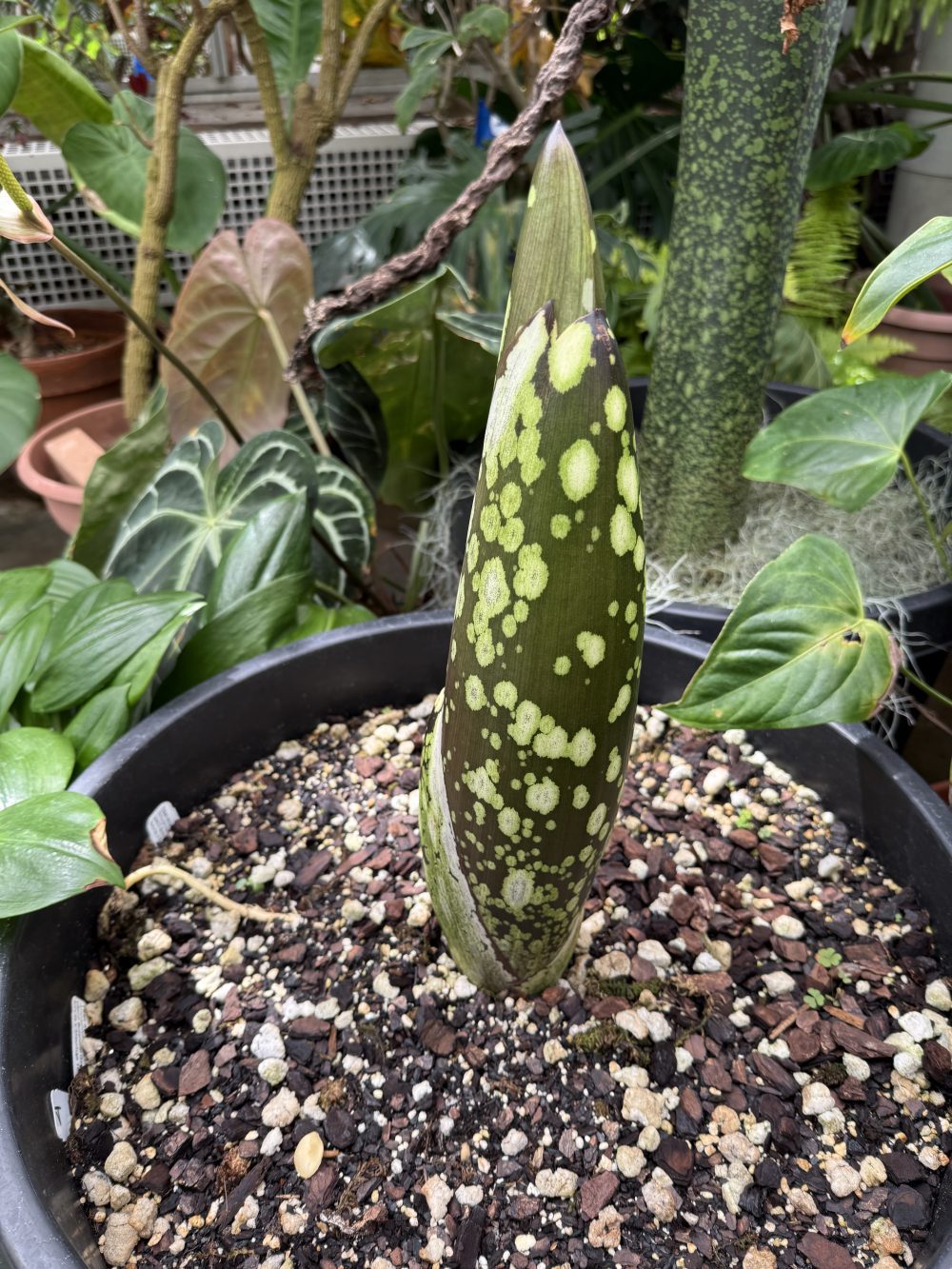
The UNC Charlotte Botanical Gardens team is on bloom watch, again, as a 10‑year‑old titan arum prepares to open for the first time. Commonly known as a corpse flower, horticulture experts from the Gardens predict the rare bloom will occur in late April or early May.
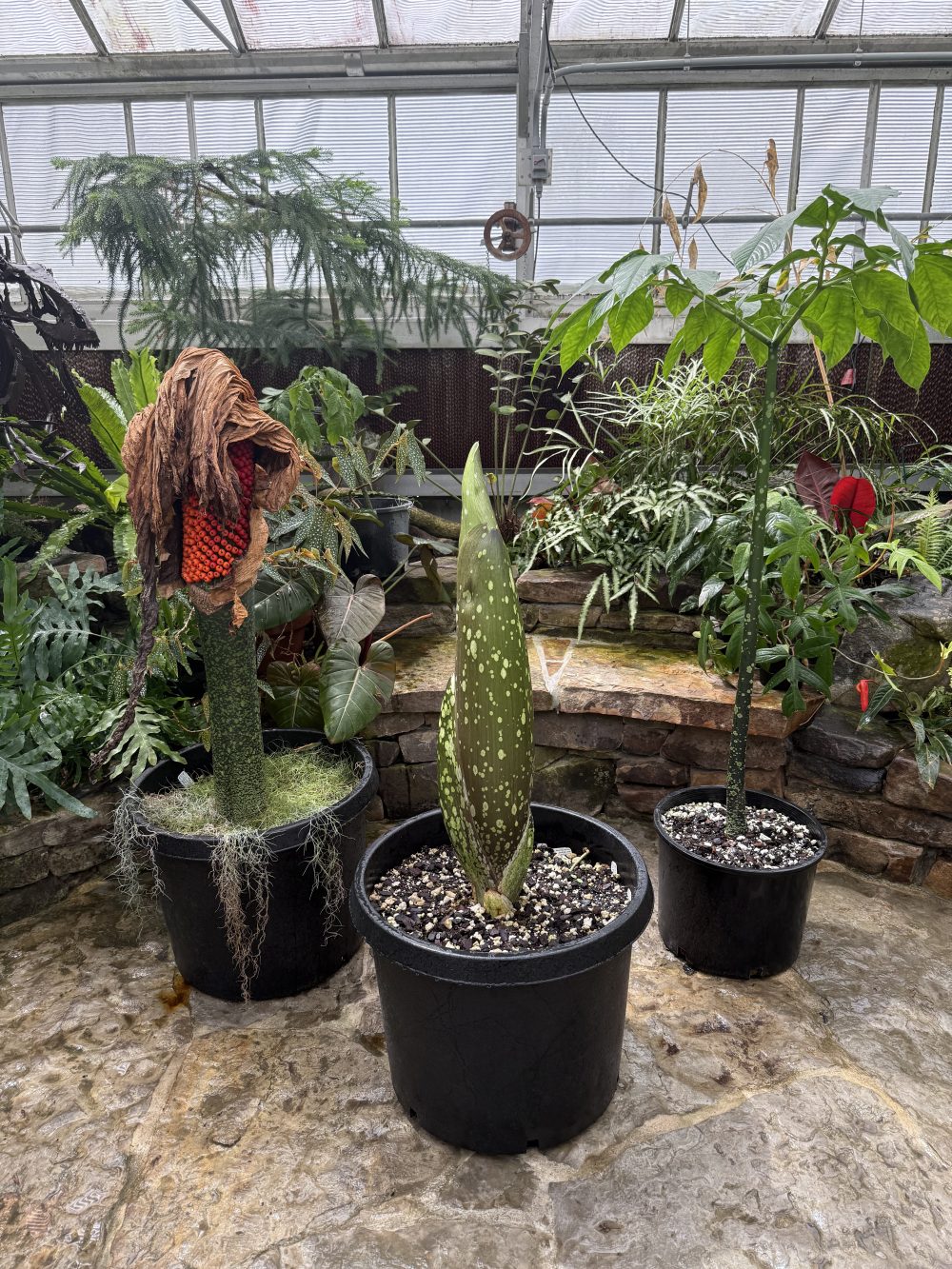
Visitors can follow the bloom in person by visiting the Dinosaur Room at the McMillan Greenhouse or view it online through a livestream.
After more than 150 name suggestions, the team from the Botanical Gardens voted to name this titan arum: Smellvis. Thank you, thank you very much.
Known for its dramatic size and powerful scent, the titan arum (Amorphophallus titanum) emits an odor often compared to decaying flesh, a natural strategy to attract beetles and flies for pollination. Once open, the bloom typically lasts only 12 to 24 hours.
This bloom continues a long lineage of successful corpse flowers at UNC Charlotte, including Bella (2007, 2010), Odie (2015), Rotney and Odie (2018), Rotney (2020), Stinkerbell (2023) and Cadavera (2025). Cadavera brought 7,500 visitors to the gardens during the bloom.
This latest bloom is growing steadily at an inch per day and is the offspring of Adsila, from Rollins College, and Maudine, from The Ohio State University. It was planted in October 2016 using seeds originally sourced from Rollins College. After a decade of storing energy in its corm, an underground structure similar to a bulb, the titan arum is now producing its debut inflorescence.
Assistant Director of the Botanical Gardens Tammy Blume said the anticipation surrounding the first bloom never gets old.
“Every titan arum bloom is thrilling, but a first bloom is especially meaningful,” Blume said. “People from all over the world tune in, and I love that they’re watching it grow right along with us.”
Naming contest
As tradition dictates, the plant was eligible for a name as it has reached its first bloom cycle. Follow along with announcements on the bloom at the Botanical Gardens social media accounts:
Instagram: @unccharlottegardens
Facebook: UNC Charlotte Botanical Gardens
Donations are also being accepted for the Smellvis college fund. Donor support ensures the Botanical Gardens can preserve unique species like the titan arum, maintain the greenhouses and share these extraordinary blooms with the public.
Know before you go
The McMillan Greenhouse on UNC Charlotte’s campus is located at 9026 Craver Rd., Charlotte NC 28223. The greenhouse is open Monday through Friday, 9 a.m. to 4 p.m., with the closest visitor parking in East Deck 1. Explore the interactive UNC Charlotte web map.
Startup spun from Afonin Lab selected for gBETA Health program at The Pearl
An early-stage startup spun out of research in the Afonin Lab has been selected to participate in the inaugural gBETA Charlotte Health pre-accelerator program, hosted by Wexford Science & Technology at The Pearl, located in Charlotte’s Innovation District.
gBETA is a highly competitive, nationally recognized program run by gener8tor that supports early-stage companies through mentorship, investor readiness training and commercialization guidance. The new gener8tor cycle in Charlotte was selective: only five companies were selected from 54 health technology startups.
The Afonin Lab, within the Klein College of Science, is focused on the design and application of nucleic acid nanoparticles for therapeutic and biomedical use. Being selected for this cohort reflects the strength of the lab’s research and its potential for translation beyond the academic setting, highlighting growing interest in technology with applications in targeted therapeutics, immune modulation and precision medicine.
As part of the accelerator program, the lab is launching a startup named Inolyt, building around a novel antimicrobial platform. Margaret Kocherga, Ph.D., director of outreach and partnerships for the Klein College of Science, is the CEO of Inolyt and is working closely with the Afonin research team to lead commercialization efforts. The technology uses DNA-stabilized silver nanoclusters (DNA-AgNCs), a next-generation approach designed to address the growing global challenge of antimicrobial resistance.
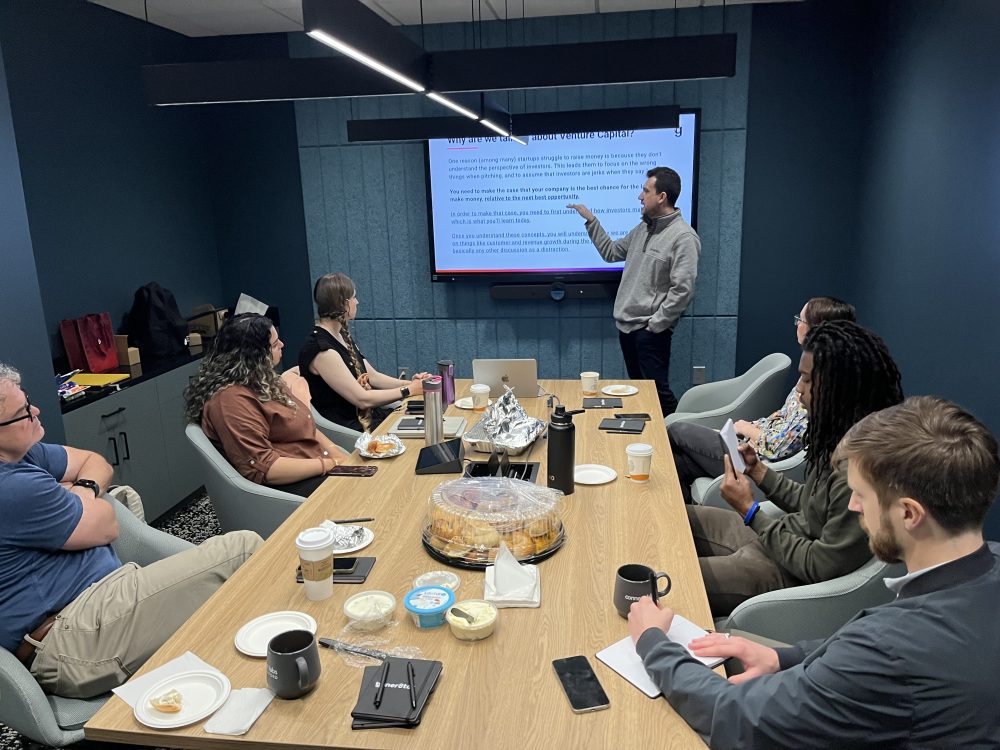
These materials combine the antimicrobial potency of silver with the programmability and biocompatibility of DNA, allowing for highly effective, tunable and low-toxicity antimicrobial activity across a range of applications, including wound care, medical devices and infection prevention.
Through gBETA, Inolyt will receive individualized mentorship from gener8tor’s nationally ranked accelerator network, participate in weekly training sessions and investor-facing opportunities, and gain access to a broad ecosystem of industry partners and resources.
“This selection is a strong validation of both the science and the real-world need for new antimicrobial solutions,” said Kocherga. “At Inolyt, we are focused on translating breakthrough research into practical, scalable technologies that can address antimicrobial resistance without contributing to it. gBETA provides an incredible platform to accelerate that transition from lab to market.”
The program is seven weeks long and offers coaching designed to position companies for follow-on investment or entry into larger accelerator programs, making it a significant step in translating research from the lab to real-world impact.

“This experience has allowed me to take my Ph.D. research beyond the lab to see how it can translate into real-world impact,” said Laura Rebolledo, a doctoral researcher contributing to the Inolyt technology. “It’s been incredibly valuable to see how scientific innovation evolves into a scalable solution that can directly address critical healthcare challenges.”
This acceptance highlights the translational potential of research performed within UNC Charlotte and the connections formed in the growing innovation and life science ecosystem at The Pearl.
“As a first-generation Latina scientist, this opportunity has been especially meaningful, as it represents not only a professional milestone but also a reflection of how far my journey has come,” said Rebolledo. “Through gBETA Charlotte Health, I’ve already had the opportunity to work within a clinically connected ecosystem, receive feedback from mentors and industry experts and collaborate closely with an experienced entrepreneur.”
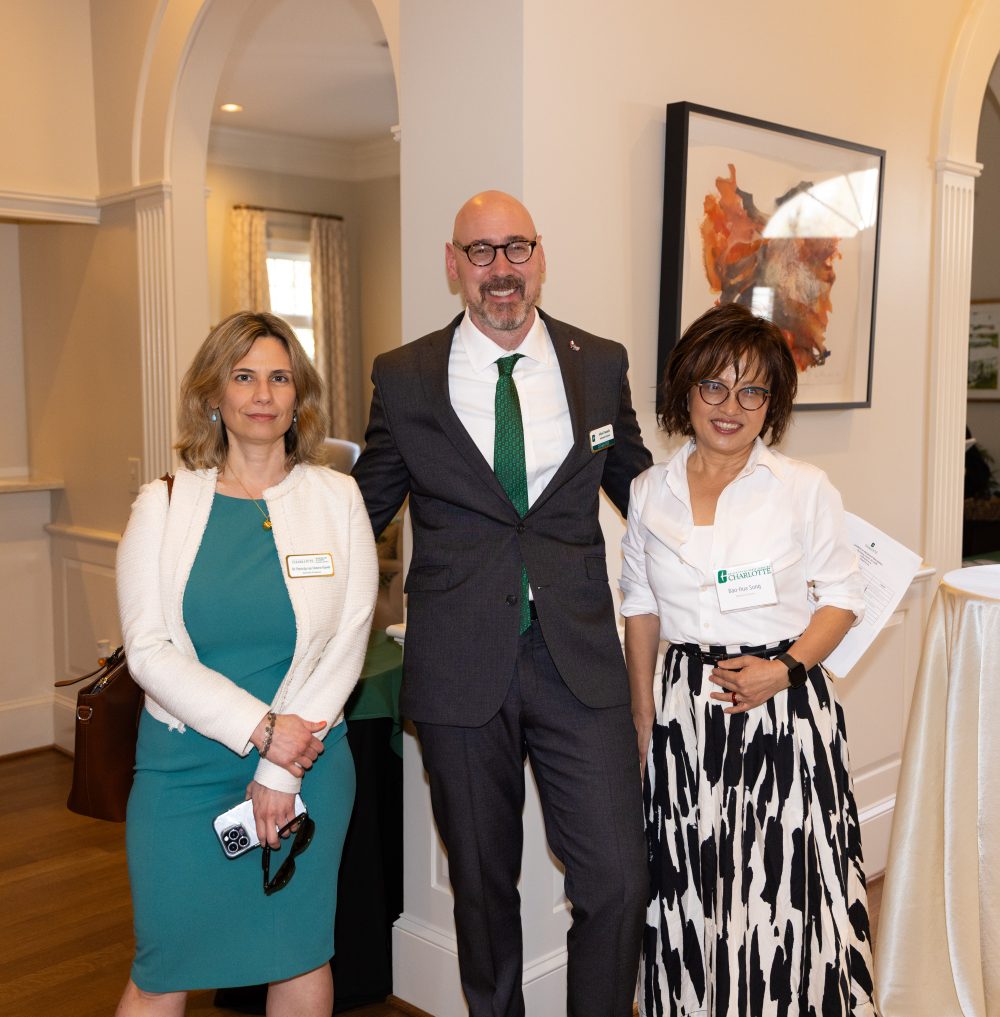
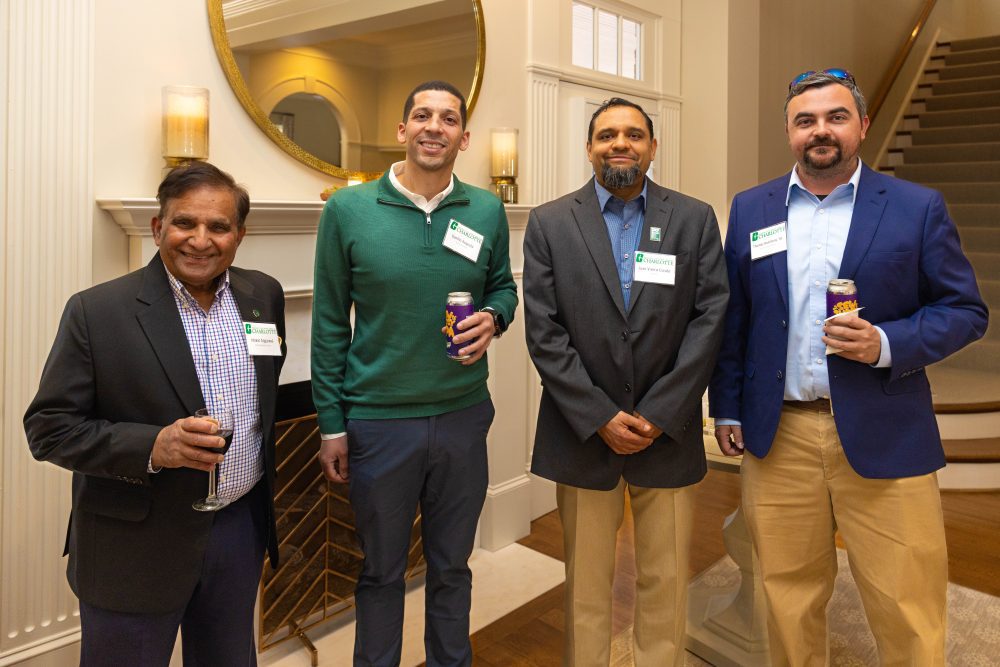
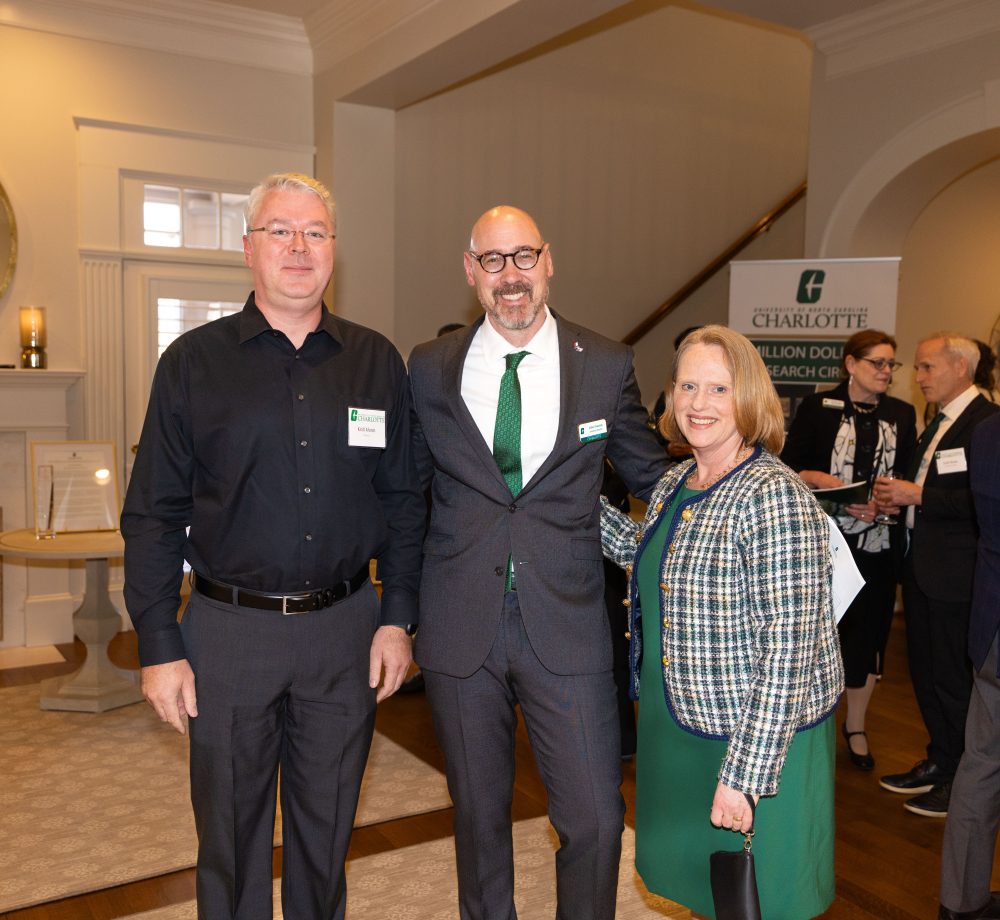
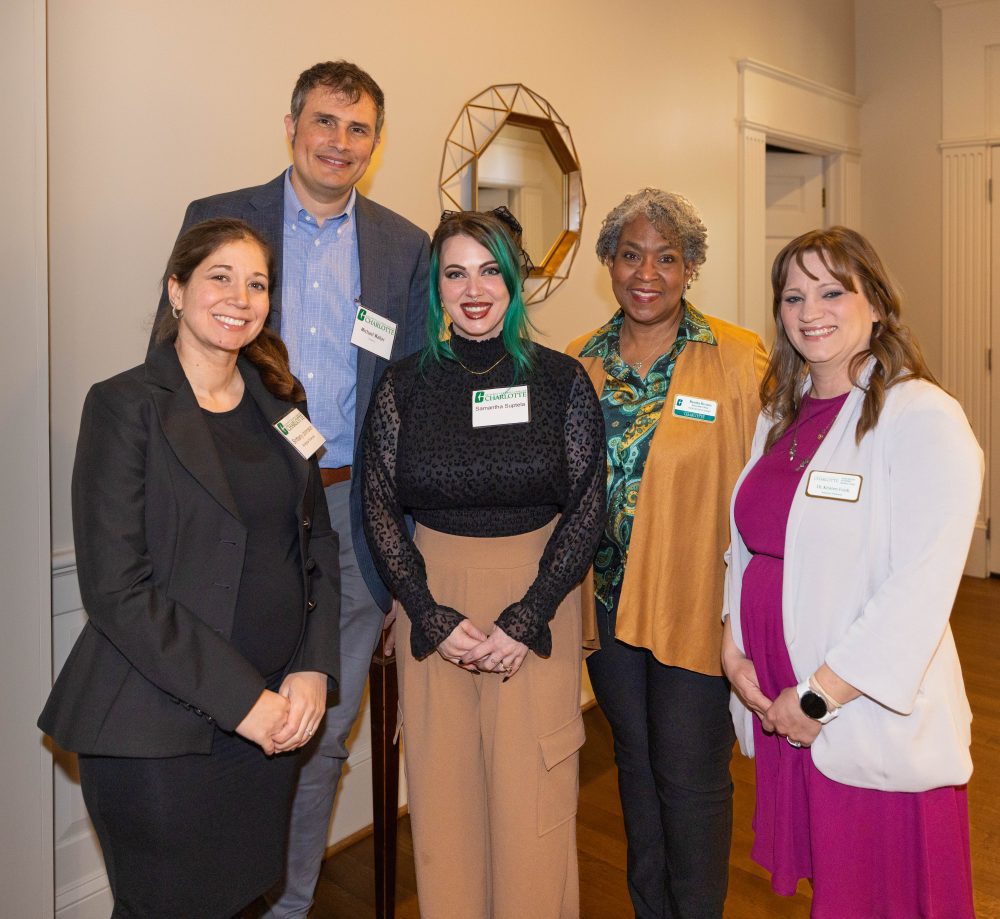
Klein College of Science leads UNC Charlotte’s Million Dollar Research Circle
UNC Charlotte honored its top-funded researchers at the annual Leaders in Research reception, held at Bissell House on March 19. The event recognized the newest members of the University’s Million Dollar Research Circle, a high-impact group of faculty who each lead a minimum of $1 million in active external funding.
This year, 51 principal investigators were recognized for annual year 2025, representing disciplines across campus. The Klein College of Science led all colleges with the highest number of researchers achieving this milestone, underscoring its growing impact in scientific discovery and innovation.
“Klein College of Science faculty continue to push the boundaries of discovery, and their momentum is reshaping what’s possible for our students and for the region we serve,” said Bernadette Donovan-Merkert, dean of the Klein College. “Their success in securing major research funding reflects the strength of their scholarship. I’m thrilled for what lies ahead as we continue expanding our impact on research, teaching, and the broader community.”
The Million Dollar Research Circle highlights faculty whose work advances solutions to real‑world challenges while supporting student research experiences and strengthening UNC Charlotte’s Carnegie R1 standing. In addition to principal investigators, 42 co‑principal investigators were recognized for their contributions to large, collaborative research initiatives.
KCOS researchers inducted this year represent fields spanning chemistry, biological sciences, and physics and optical science. Their work contributes significantly to the University’s $248 million active award portfolio.
KCOS Million Dollar Researchers:
- Kirill Afonin, Chemistry
- Ishwar Aggarwal, physics and optical science
- Christopher Bejger, chemistry
- Shunji Egusa, physics and optical science
- Jay Foley, chemistry
- Kristen Funk, biological sciences
- Thomas Hutchens, physics and optical science
- Elaine Luo, biological sciences
- Ian Marriott, biological sciences
- Adam Reitzel, biological sciences
- Bao-Hua Song, biological sciences
- Andrew Truman, biological sciences
- Patricija van Oosten-Hawle, biological sciences
- Juan Luis Vivero-Escoto, chemistry
- Michael Walter, chemistry
- Shan Yan, biological sciences
UNC Charlotte also recognized the contributions of co-PIs as vital members of the research teams.
Co-Investigators from Klein College
- Kathryn Asala, chemistry
- Banita Brown, chemistry
- Anthony Fernandes, mathematics and statistics
- Thomas Hutchens, physics and optical science
- Brittany Johnson, biological sciences
- Stanley Schneider, biological sciences, emeritus
KCOS continues to play a central role in advancing UNC Charlotte’s research enterprise, contributing to major discoveries, interdisciplinary collaborations, and the training of the next generation of scientists.
Pinku Mukherjee and Matthew Parrow named to 2026 Class of National Academy of Inventors Senior Members
Pinku Mukherjee and Matthew W. Parrow have been named to the 2026 Class of Senior Members of the National Academy of Inventors, a recognition honoring academic inventors whose work has made a measurable impact through patents, commercialization and mentorship.
“The induction of these faculty members is an extraordinary achievement and a powerful recognition of the University’s growing influence in innovation and technology commercialization,” said Laura Peter, executive director of intellectual property and technology transfer.
Translating life science discovery into societal benefit
Pinku Mukherjee, Irwin Belk Distinguished Professor of Cancer Research, is recognized for translational oncology research spanning tumor immunology, biomarker discovery and therapeutic development.
She is the sole inventor of the OncoTAb antibody, which led to early‑detection blood tests for breast cancer and the founding of OncoTAb, Inc. Pinku’s contributions earned the O. Max Gardner Award, the UNC Board of Governors’ highest faculty honor.
Matthew W. Parrow, professor of biological sciences and associate dean for academic administration in the Klein College of Science, advances microbiology and biotechnology solutions for environmental and public health challenges.
He is co‑inventor on a U.S. patent for lignocellulosic treatments supporting sustainable biomass use. Parrow’s collaboration with Kyoung Hee Kim on a microalgae‑based biochromic window system earned a 2021 Architect Magazine R+D Award and is already installed in test form on campus. He has also served on the University’s Faculty Patent Committee for more than five years.
National recognition, lasting impact
The 2026 class of NAI Senior Members includes 230 inventors from 82 institutions worldwide, the largest cohort in program history. Senior Members will be inducted at NAI’s 15th Annual Conference, June 1-4, in Los Angeles.
UNC Charlotte’s first inductees were in the 2025 class, with five faculty named Senior Members from the Klein College of Science.
Three other Charlotte faculty members were also named to the 2026 class, including Sukumar Kamalasadan, Duke Energy Distinguished Professor of Electric Power Engineering; Babak Parkhideh, associate professor of electrical and computer engineering; and Kyoung Hee Kim, professor of architecture and director of the Integrated Design Research Lab.
New UNC Charlotte study using ultra-sensitive microscope reveals how just three molecules can organize the epigenome
In the microscopic world inside a stem cell, some of the most important decisions about life’s earliest stages come down to only a handful of molecules. A new study from UNC Charlotte shows that just three molecules of a rare protein can spark the formation of massive gene‑silencing structures, helping cells choose what they will ultimately become.
The work, published in Molecular Cell, comes from the lab of Xiaojun Ren, associate professor and Irwin Belk Distinguished Scholar of Biology. Ren has spent years trying to understand how Polycomb proteins, which are key regulators of cell identity, organize the genome. The problem: some of these proteins are so scarce that traditional tools simply cannot detect them.
“This isn’t like finding a needle in a haystack. This is like finding a needle in the ocean.”
–Xiaojun Ren, associate professor and Irwin Belk Distinguished Scholar of Biology
A rare protein with an outsized influence
Stem cells can turn into anything: a brain cell, a muscle fiber, a blood cell, or anything the protein tells them to be. Polycomb complexes are essential for keeping certain genes switched off so cells can specialize. But scientists have long puzzled over how these complexes assemble into the large, droplet‑like “condensates” that silence genes across the genome.
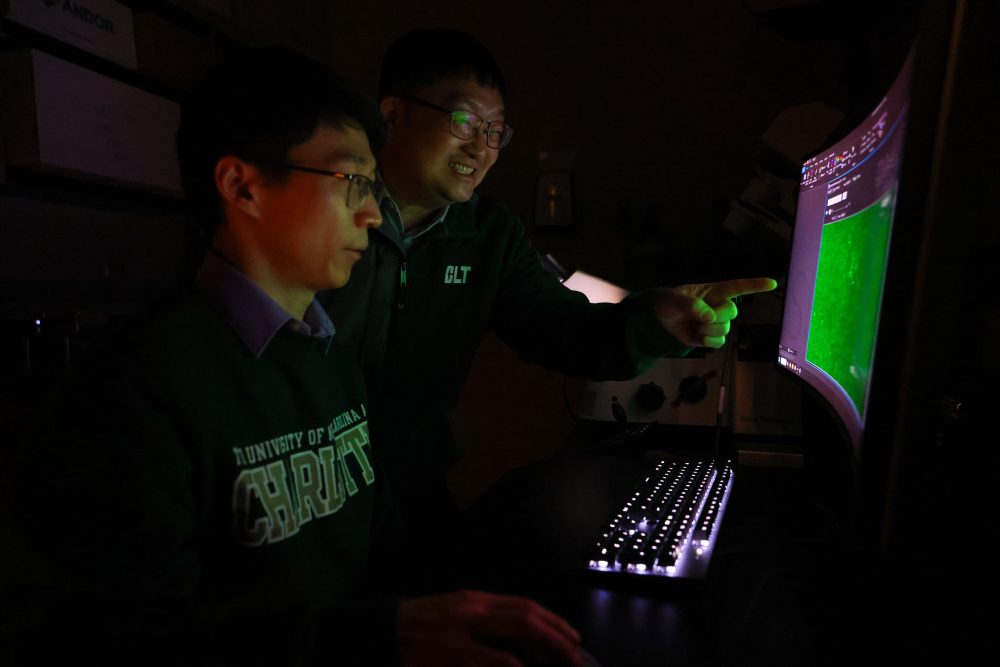
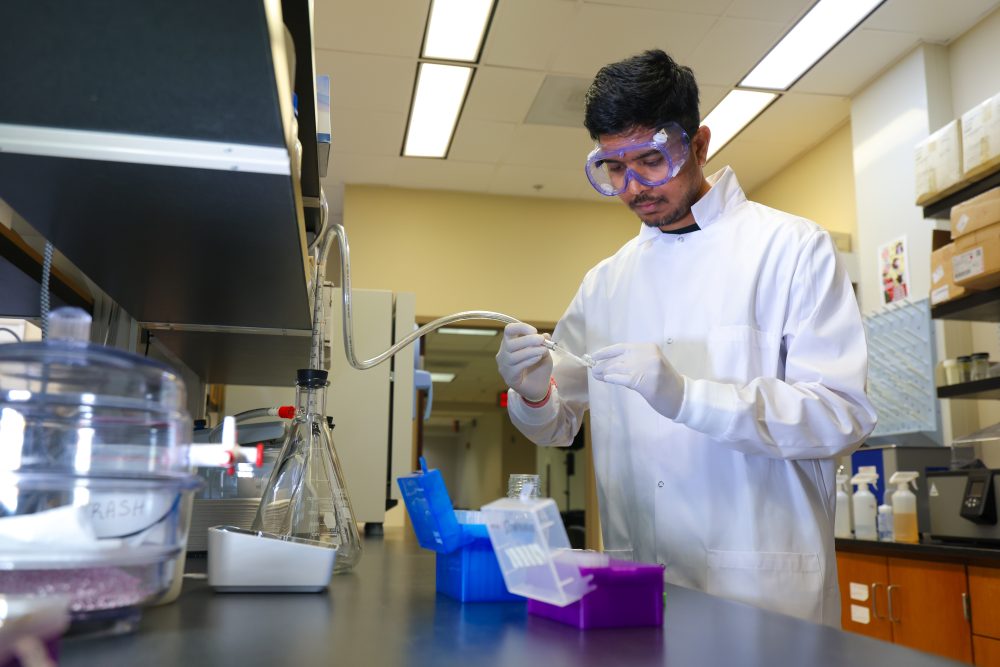
Ren’s team cracked the mystery using an ultra‑sensitive live-cell single‑molecule microscope, technology that is not available at many labs worldwide. The instrument allows researchers to count individual proteins inside living cells, one molecule at a time.
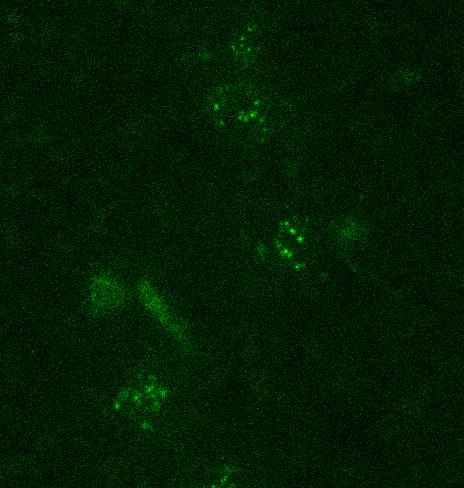
With this imaging technology, the team made a surprising discovery: In mouse embryonic stem cells, Polycomb condensates form around a tiny core of just three molecules of a protein called CBX2.
“It’s remarkable,” Ren said. “CBX2 is one of the least abundant Polycomb proteins in stem cells, yet it can dictate the assembly of these large regulatory structures and act as a seed for the entire condensate. CBX2 is doing far more with far less than anyone expected.”
Those three molecules act like the first bubbles in a pot of boiling water — small, fleeting, but powerful enough to trigger a cascade. As more components join in, the bubbles merge into a single, larger droplet. In the same way, CBX2’s tiny clusters recruit additional Polycomb complexes, gradually building the gene‑repressive hubs that shape the epigenome.
Why this matters
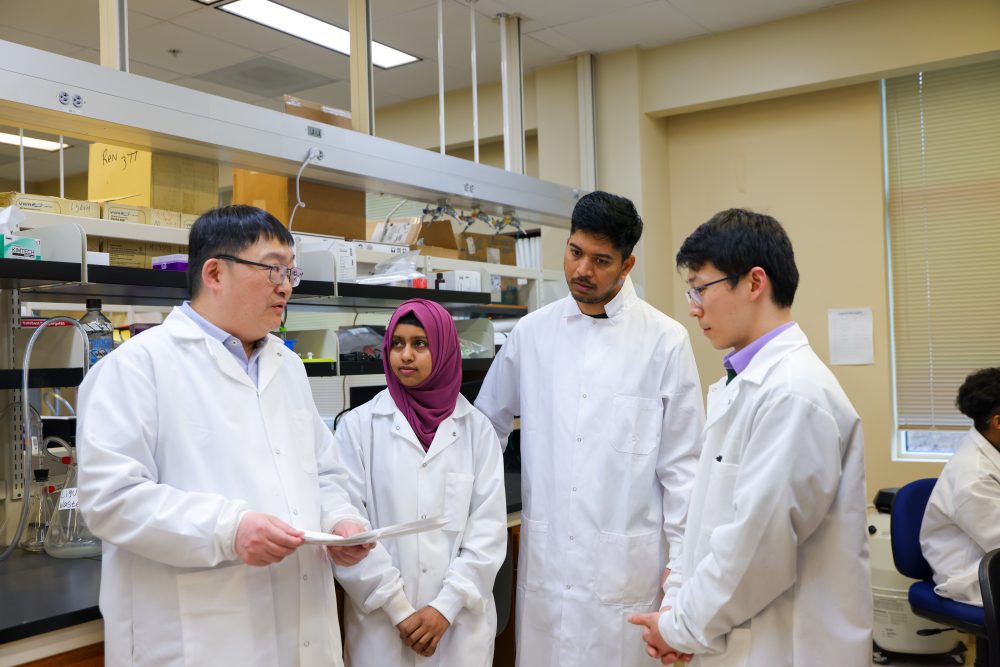
Polycomb dysfunction is linked to developmental disorders and cancers. By revealing how condensates form — and just how fragile that process can be — the study offers a new lens for understanding how gene‑silencing programs are built, maintained and sometimes derailed.
It also underscores the power of cutting‑edge imaging technologies. Without UNC Charlotte’s ultra‑sensitive single‑molecule microscope, these three‑molecule “seeds” would have remained invisible.
Ren’s lab plans to continue exploring how condensates change as cells mature and how disruptions to these early molecular events might contribute to disease.
In the vast ocean of the cell, finding three molecules may seem impossible. The microscope, in the capable hands of the Ren lab and their research team, uncovered how molecules can reveal how life organizes itself from the ground up.
How three molecules reshape the genome
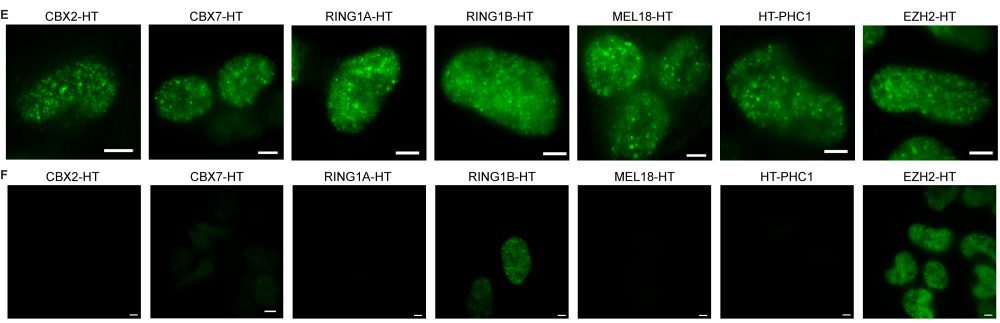
Once Ren’s team realized that tiny CBX2 clusters could act as “starter bubbles” for gene‑silencing droplets, they dug deeper into what those bubbles actually do. They found that these little clusters act like magnets, attracting other components. Even though CBX2 is one of the rarest proteins in the cell, its small groups are powerful enough to pull in other major players in the Polycomb system: proteins that help shut down genes so a cell can stay on the right developmental path.
Together, these proteins form busy control hubs that help determine which genes remain silent. And CBX2, despite being scarce, plays a surprisingly central role in steering where these silencing marks land across the genome.
To understand how CBX2 guides this process, the team looked across the entire genome. They found that CBX2 tends to settle at the very spots where gene‑silencing marks first begin to form. When the researchers removed CBX2, those marks and the proteins that place them wandered to the wrong locations. The result was a weakening of gene repression at some of the most important developmental genes.
As stem cells begin to specialize, the droplets grow and change with the cell’s identity. For example, early neural cells contain about 15 CBX2 molecules in each droplet, which is five times more than in embryonic stem cells. This is a sign that as cells choose their future, they also rebuild the machinery that keeps certain genes turned off.
In other words, without CBX2 acting as the tiny spark that starts the whole process, the cell’s gene‑silencing system loses its map.
A mutant that reveals CBX2’s true power
To understand just how important CBX2’s “clustering” ability is, Ren’s team created a special version of the protein that was missing this one feature. Think of it as CBX2 with its hands tied: it could still latch onto DNA, but it was unable to link arms with other CBX2 molecules the way the normal protein does.
What happened next made the answer clear.
Inside living cells, the altered CBX2 could not form the tiny starter clusters that kick off condensate formation. In lab tests, it required more than 100 times the usual amount of protein before it even began to clump. And without those early clusters, the cell’s gene‑silencing marks drifted to the wrong places, piling up in dense stretches of DNA instead of the regions they are meant to regulate.
The ripple effects were striking. When the team encouraged the cells to start becoming specialized cell types, the ones carrying the altered CBX2 struggled. Their early embryonic structures barely grew. They had trouble producing neural precursor cells. And the number of cells showing key markers of neural identity dropped sharply.
“Without CBX2’s ability to self‑cluster, the cells simply cannot execute their developmental programs,” Ren said. “Just as a raindrop needs a tiny speck of dust to form in a humid sky, these three molecules act as the seeds that pull the cell’s Polycomb proteins together into a functional droplet.”
A new way to think about how these droplets form
For years, scientists assumed that Polycomb condensates formed the same way oil droplets separate from water — a classic process called liquid‑liquid phase separation. But Ren’s team found that this old model does not hold up. With only about three molecules of CBX2 at the center of each condensate in stem cells, there simply are not enough molecules to form the dense networks that traditional phase separation requires.
Instead, the researchers propose a new explanation. In their model, CBX2 acts like the first tiny grain around which everything else gathers. It attaches to specific spots on the genome, creating a small landing pad. That pad then attracts other Polycomb proteins, which help bridge nearby stretches of DNA. As more proteins join in, the structure grows — much like small bubbles merging into a larger droplet.
This new framework helps explain how a protein that’s incredibly rare can still organize huge stretches of the genome. It also brings together years of scattered observations into a single, coherent picture of how gene‑silencing structures take shape inside living cells.
More about the Ren lab
The Ren laboratory relocated to UNC Charlotte in the summer of 2024 and focuses on epigenetic mechanisms, genome organization, single-molecule imaging, liquid-liquid phase separation and Polycomb proteins. Their work is supported in part by grants from NIH R01GM135286, and funds from the University of North Carolina at Charlotte. Ren was previously an associate professor at the University of Colorado Denver, so this research was in part supported by CU Denver prior to this move.
Photos by Kat Lawrence. Molecular images courtesy of the Ren lab.
Robyn Massey ’81 recognized with Visionary Leadership Award
The UNC Charlotte Alumni Association celebrated Robyn Massey ’81 with the Dr. Gregory Davis Visionary Leadership Award during the 2026 Alumni Awards ceremony held on Friday, Feb. 27. She was honored for her decades of leadership in technology, community service and University advocacy.
Massey, who earned her bachelor’s degree in mathematics from what is now the Klein College of Science, built a career marked by innovation and impact. Over more than 30 years at IBM and Microsoft, she led major business transformation initiatives and earned top corporate honors, including IBM’s Golden Circle Award. Her expertise in using technology to advance social good led to her selection for the IBM Smarter Cities Challenge in Durban, South Africa, where she advised civic leaders on economic development strategies.
Her commitment to UNC Charlotte has been equally influential. Massey helped establish the Black Alumni Chapter and served on the Alumni Association Board of Directors, including two years as president. She was a founding member of the College of Liberal Arts & Sciences Advisory Council and completed three terms on the UNC Charlotte Foundation Board, strengthening the University’s reach and resources.
Beyond campus, Massey has long championed organizations supporting women, children and emerging leaders. She has served with the Girl Scouts, the Junior League of Charlotte, Delta Sigma Theta Sorority, Incorporated, and The Society, Incorporated — Greater Charlotte Chapter. She also contributes her expertise as a board member for City Startup Labs and as part of the New Generation of African American Philanthropists. She holds an MBA from Wake Forest University.
Massey was honored alongside three other alumni whose achievements reflect the University’s growing influence across the region and beyond.
UNC Charlotte’s Botanical Gardens declared an ‘absolute must see’ by Positive Bloom
UNC Charlotte’s Botanical Gardens were featured in the article, “If You Are Visiting North Carolina This Stunning Botanical Garden Is An Absolute Must See,” by Positive Bloom.
The Gardens, as part of the Klein College of Science, host three garden sites with sixteen collections, including the rare Titan Arum, also known as a corpse flower.
“Right on the UNC Charlotte campus, you can explore a remarkable collection of plants from around the world without paying a single penny,” the article states. “The botanical gardens function as living classrooms where researchers study plant biology and students learn hands-on horticultural skills. Visitors wander through carefully curated displays that showcase everything from regional favorites to exotic specimens.”
The Botanical Gardens also host regular plant sales, with the 2026 Spring Plant Sale coming up soon. Early access begins on Thursday, April 9, 12 p.m. to 4 p.m. for students, faculty, staff and Members of the Gardens. The plant sale will be open to the public on Friday, April 10, 9 a.m. to 3 p.m. and Saturday, April 11, 9 a.m. to 2 p.m.
Learn more about the upcoming Spring Plant Sale.
Check out the most recent Titan Arum, Cadavera, which bloomed in October.