The Path to Pathology: Celebrating Klein College of Science Graduate Erica Flores
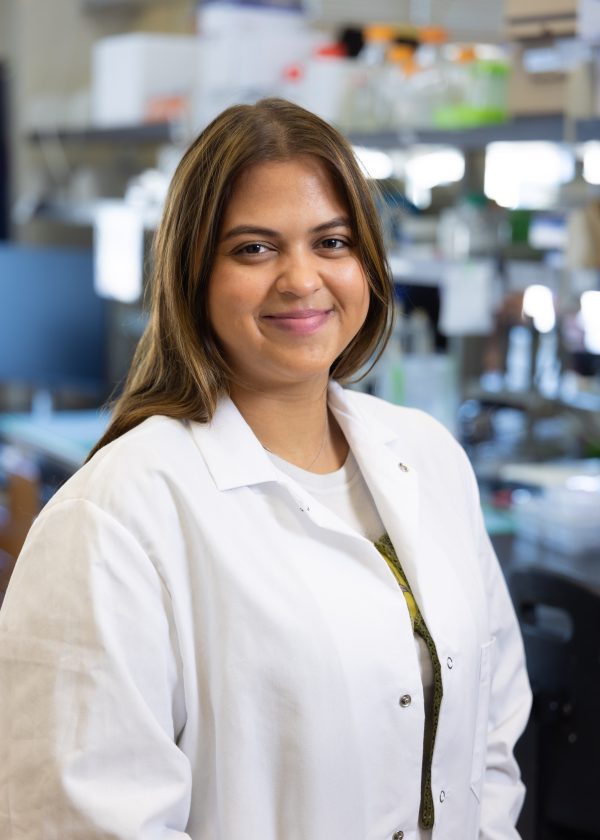
At the beginning of her college career, Erica Flores struggled with her confidence and belief that she deserved a “seat at the table.”
“I think most college students can relate to the feeling of imposter syndrome, especially being a STEM major, but being part of the lab has genuinely helped me overcome this feeling,” she said.
By developing meaningful connections with professors, mentors, classmates and her fellow researchers in the Truman lab, Flores has built a network at Charlotte that has empowered her to pursue her dreams wholeheartedly, even when they are challenging.
“Reaching out for that one opportunity that you thought was impossible can actually be possible and lead to a domino effect that results in great success,” Flores said. “Of course, nothing is linear; there will be ups and downs. However, the community and mentors you encounter along the way make it all possible and worthwhile.”
Why Charlotte
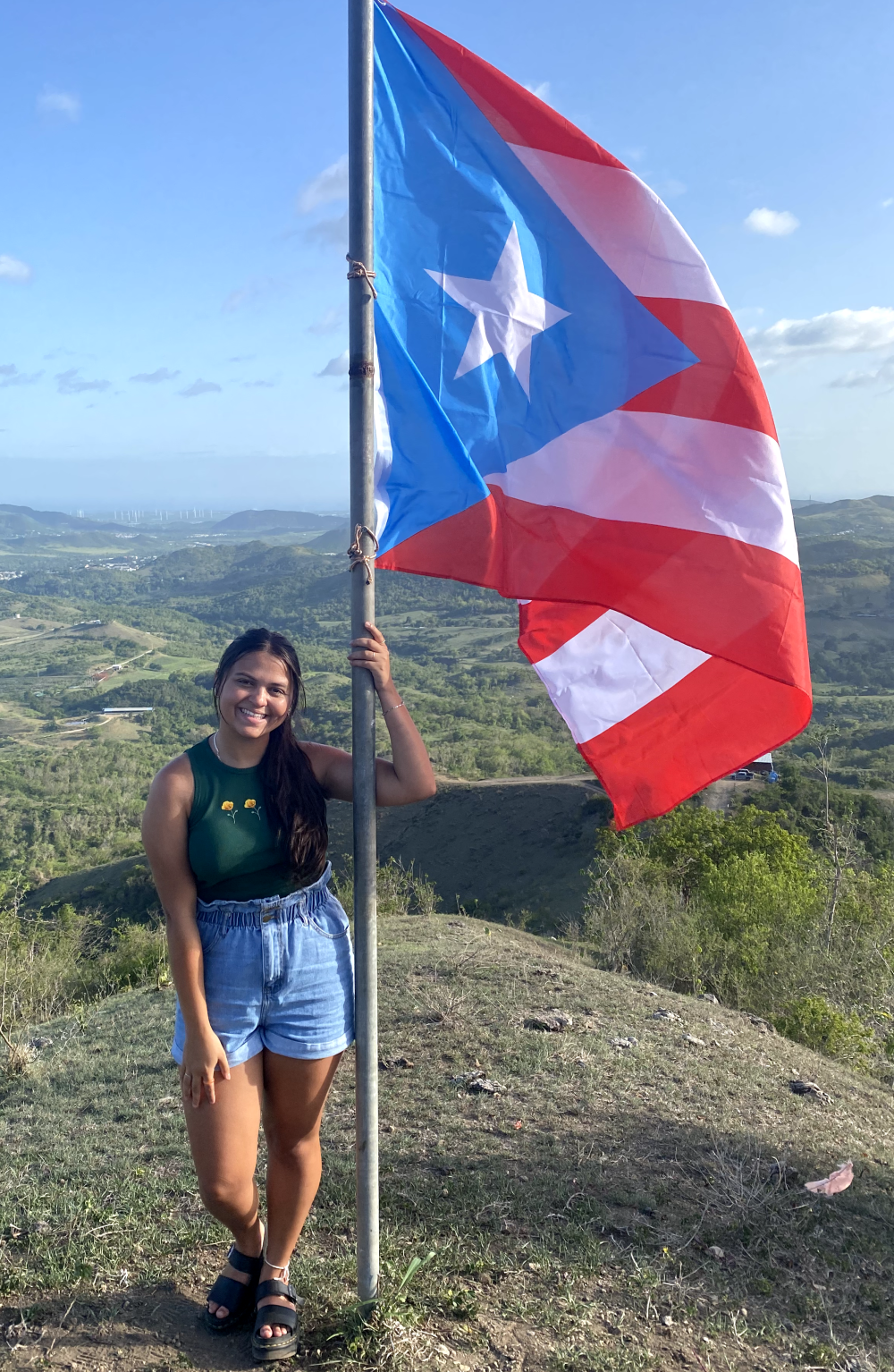
Flores grew up in Apex, North Carolina, where her parents moved from Puerto Rico for a job opportunity before she was born. Inspired by her older brother who graduated from UNC Charlotte, Flores knew she wanted to follow in his footsteps and was drawn to the university’s welcoming environment, where she felt she could not only belong, but thrive.
“I truly envisioned myself being in Charlotte and having that independence away from home, but being two hours away, still close enough to feel secure,” she said. “I was attracted to Charlotte because of its diverse campus, I just thought that it was a perfect fit for me.”
From Chemistry to Biology
In 2023, Flores applied for the U.S. National Science Foundation’s Louis Stokes Alliances for Minority Participation (LSAMP) program, which offered research opportunities in STEM fields.
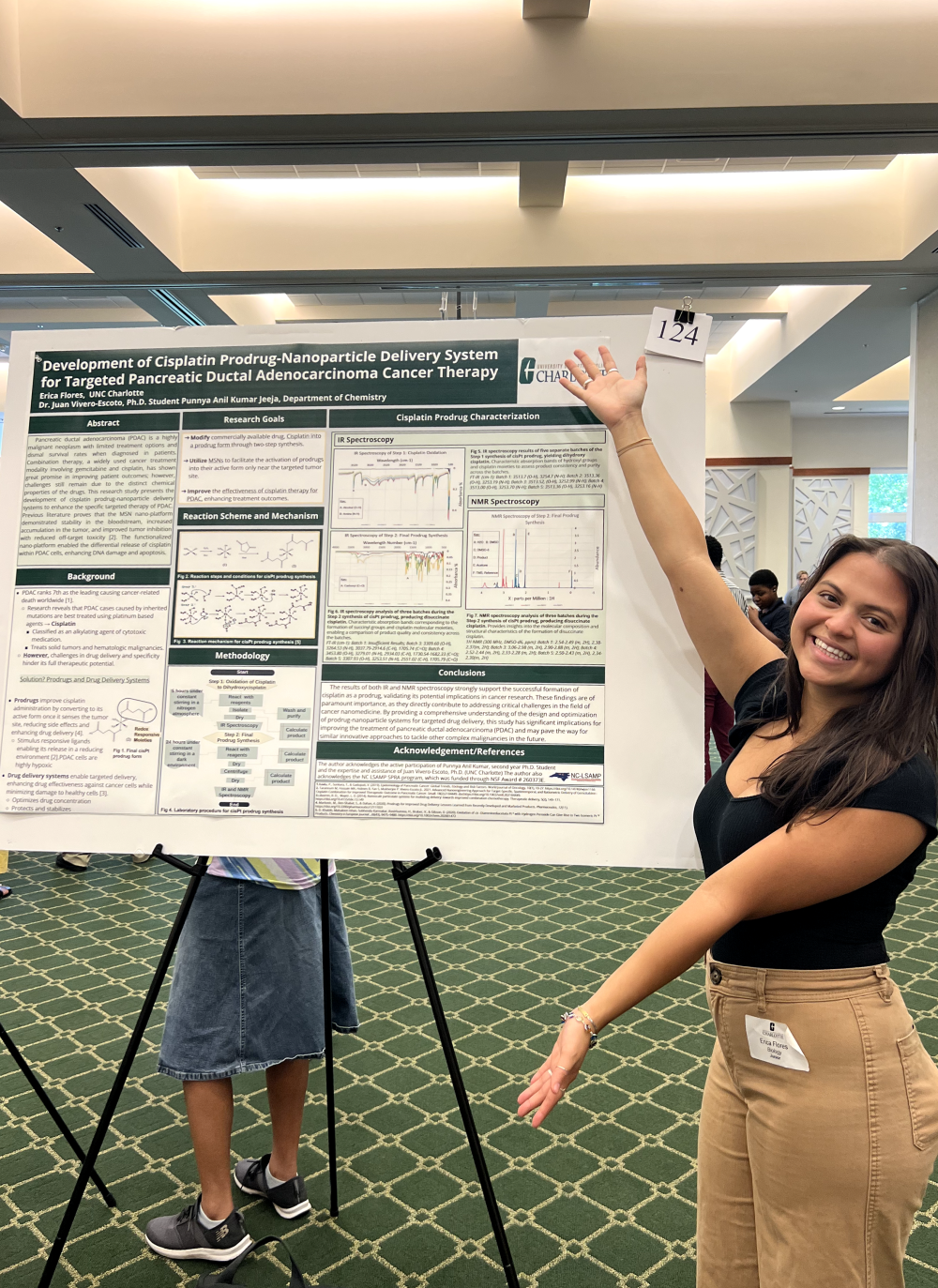
Flores initially wanted to join a biology-focused lab for the program, but found that the spots filled up too quickly. She was introduced to Banita Brown, Ph.D., associate professor of chemistry and associate dean for undergraduate student affairs in the Klein College of Science, who insisted that she still join the program. Brown encouraged Flores to work in the lab of Juan Luis Vivero-Escoto, Ph.D., professor in the Department of Chemistry.
“Honestly, without my participation in LSAMP, I don’t think I would have gained the experience that opened the doors for everything that has propelled me forward in my career,” said Flores. “Dr. Banita Brown was the first person that really got my foot in the door into research and was truly the catalyst for my academic and professional journey.”
Flores and Brown had only discussed the program over email during the application process, but Brown made sure to stop by Vivero-Escoto’s lab in-person to see how Flores was adjusting to the program.
“I remember feeling really nervous at the beginning of the program since it was my first real experience with professional development and my first step toward a career in STEM,” said Flores. “By the end of the summer, I was so grateful I took that opportunity. I learned the fundamentals of biology from a completely different angle and saw how they apply to major diseases like pancreatic cancer.”
“It has been an honor to know Erica and to see her advancements in research,” said Brown. “I am very proud of her accomplishments and wish her the best in her future endeavors.”
Through the LSAMP program, Flores gained foundational, hands-on experience in a research lab, which solidified her decision to pursue biology moving forward.
“I really cherished that experience,” Flores said. “But deep down, I knew I wanted to pursue something more biology-centered. Luckily, I soon received an interview offer from the Truman Lab, which became my home and my favorite place for the next two years.”
Truman Lab
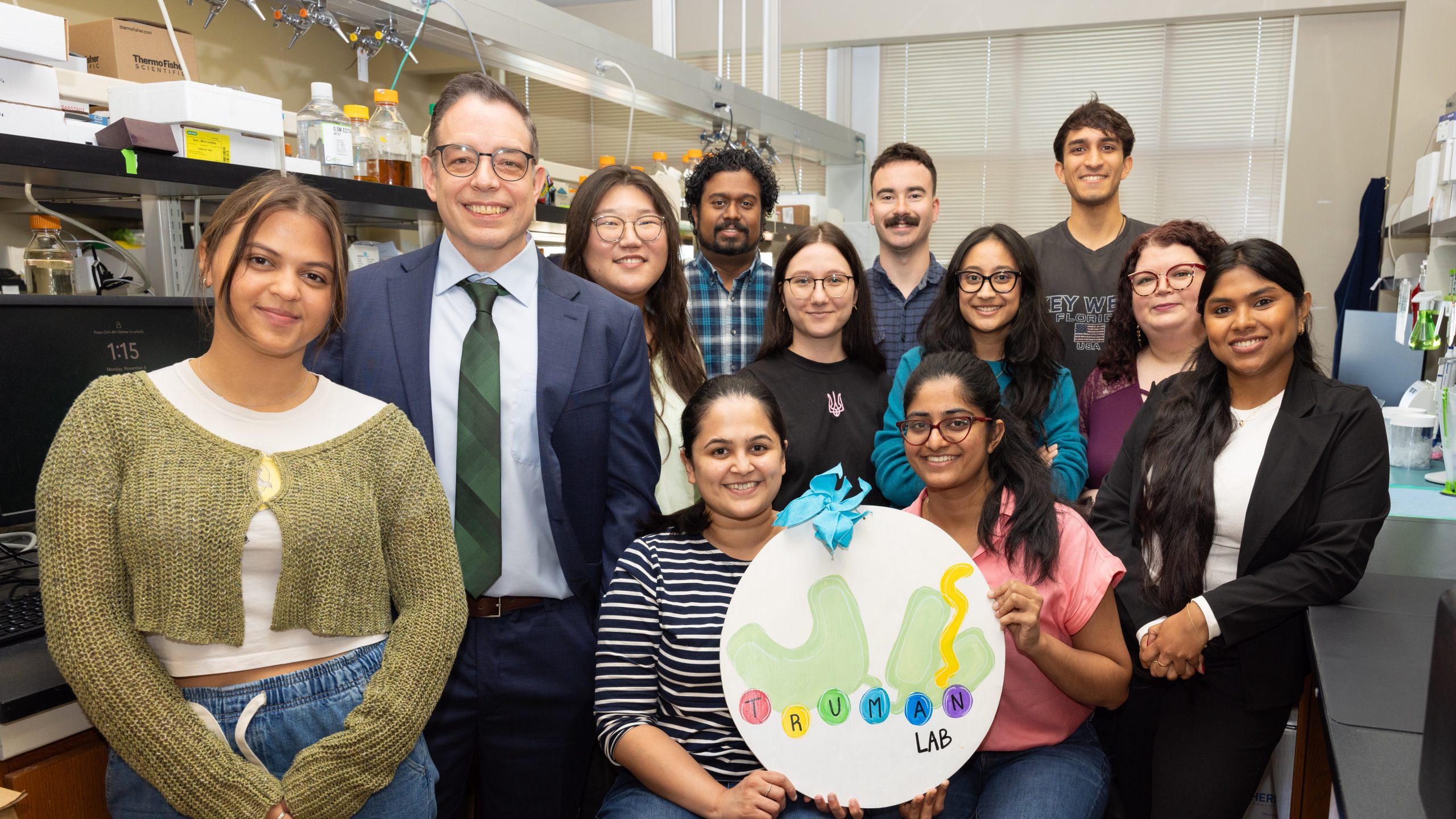
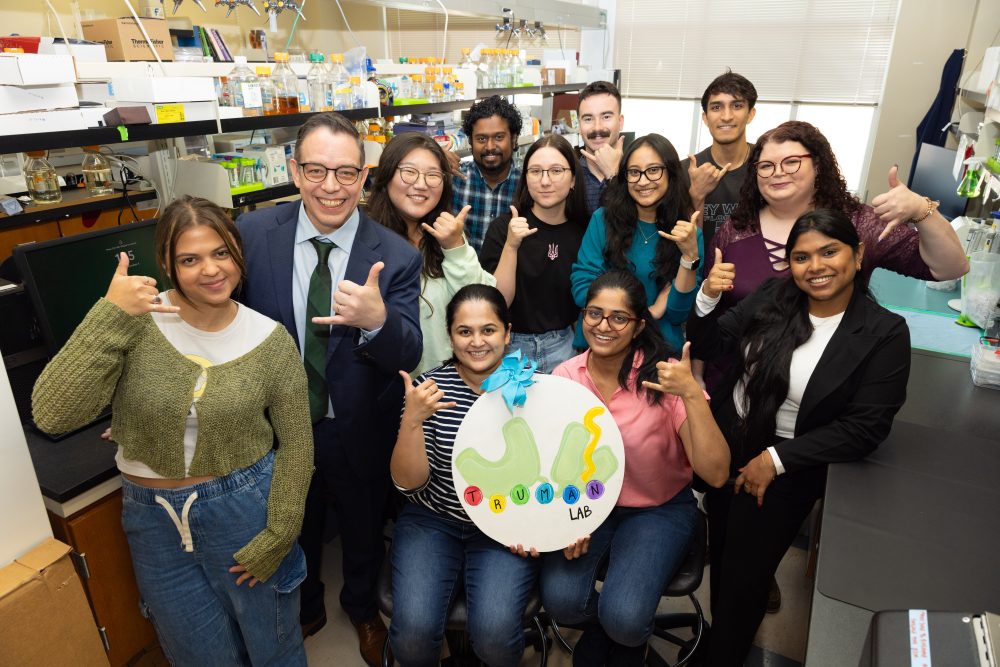
Flores joined the Truman Lab, led by Andrew Truman, Ph.D., professor in the Department of Biological Sciences, the fall of her junior year.
“I read some of his publications and was really interested in how his work affects cancer and different neurodegenerative diseases as well,” Flores said.
“Erica joined my lab in Fall 2023 and has since become one of our most dedicated student researchers. Working on projects ranging from purified protein systems to budding yeast, she has contributed to new insights into how proteins in different cellular compartments influence the response to heat stress,” Truman said. “Beyond her research accomplishments, Erica’s consistently positive attitude has brightened the lab environment. While we are sad to see her leave, we look forward to following her future successes!”
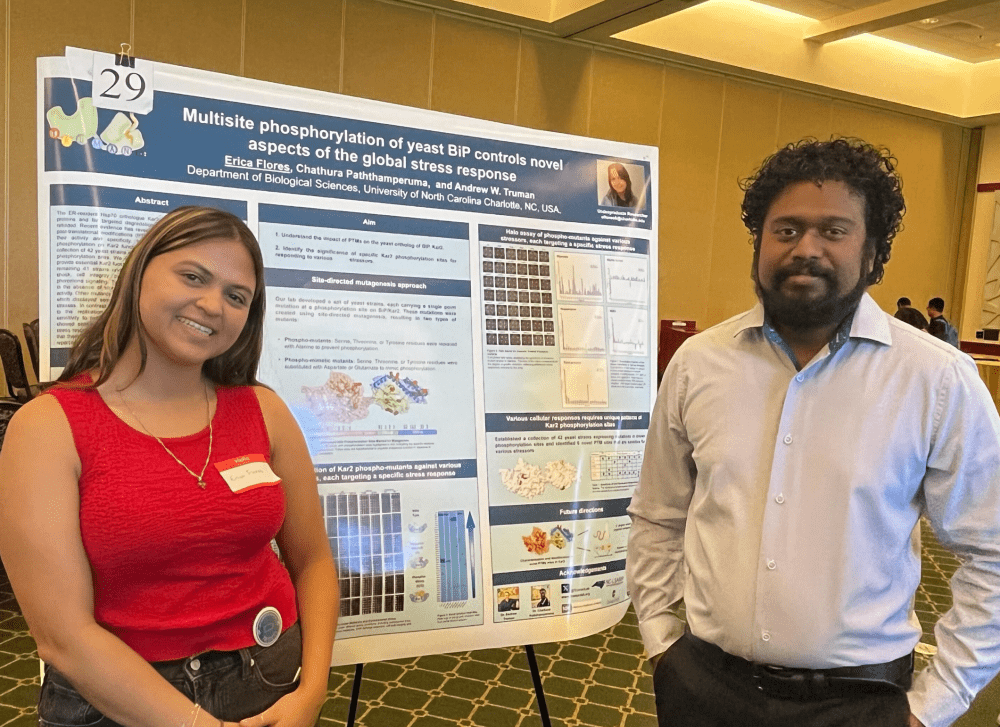
When Flores joined the lab, postdoctoral researcher Chathura Pathamperuma, Ph.D., became her mentor and she took on a leadership role in his project, “Understanding the Kar2 Chaperone Code.”
“What made working with him so special was that he genuinely wanted me to learn. He trusted me and after a bit of training, he stepped back and let me take the reins,” said Flores. “His style of mentoring challenged me in the best way and helped me grow exponentially as a researcher. I sincerely appreciate his trust and dedication to my learning.”
Flores continued the project by collaborating with Siddhi Omkar, Ph.D., another postdoctoral researcher in the lab.
“Siddhi is equally as remarkable,” said Flores. “She had a child not too long ago and is still committed to her work and is on the road to publication; truly superwoman behavior.”
This community has flourished due to the strong foundation of collaboration built by Truman, who truly cares about uplifting the researchers in his lab.
“What’s special about the Truman Lab is that all members of all levels of education share that remarkable quality: talented, humble, supportive, and genuinely down-to-earth,” Flores said. “Dr. Truman is the same way. This enabled a sense of community and understanding within the lab.”
Flores feels empowered by the other researchers in the Truman Lab, where women are represented in all levels of research, from undergraduate students up to postdoctoral researchers.
“It’s mainly women within the lab, so that is super cool to see women and women of color being represented in a STEM field,” she said.
Her main advice to current and future students is to make the most of the vast research opportunities UNC Charlotte has to offer.
“If anyone has even the slightest interest in research, I would absolutely recommend they pursue it. UNC Charlotte offers such great opportunities for students, and all students should make the most of them,” Flores said.

Dance As A Creative Outlet
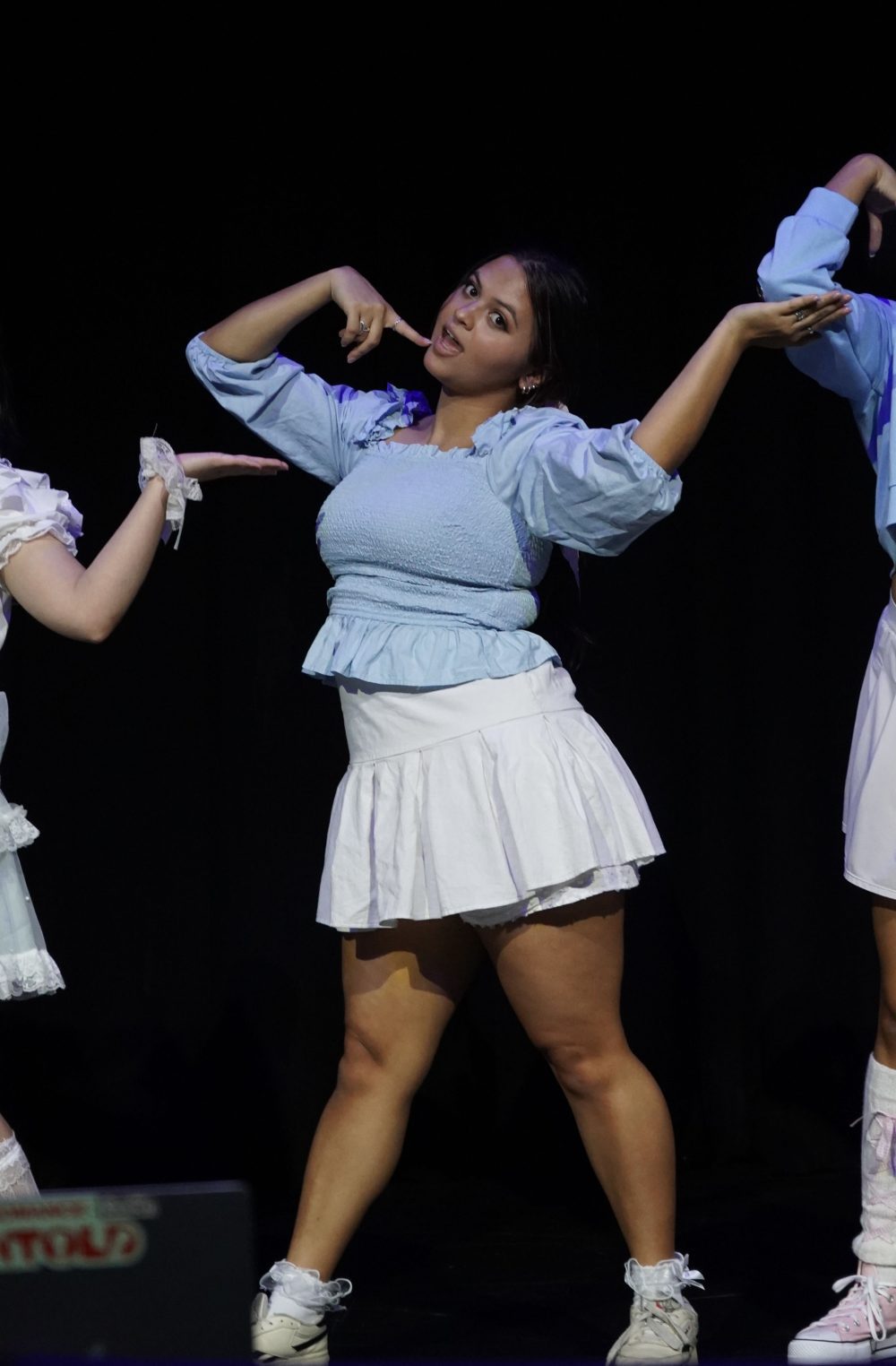
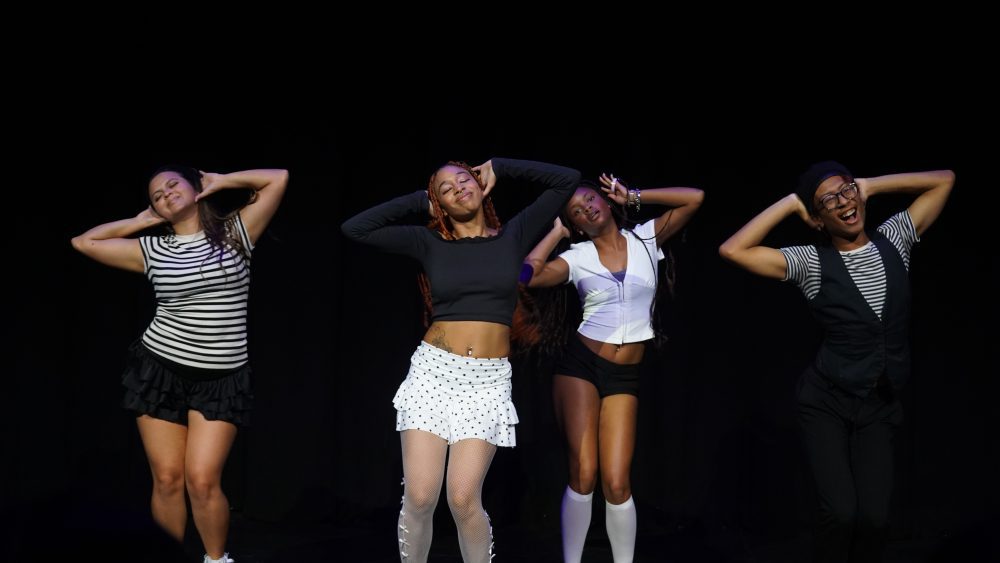
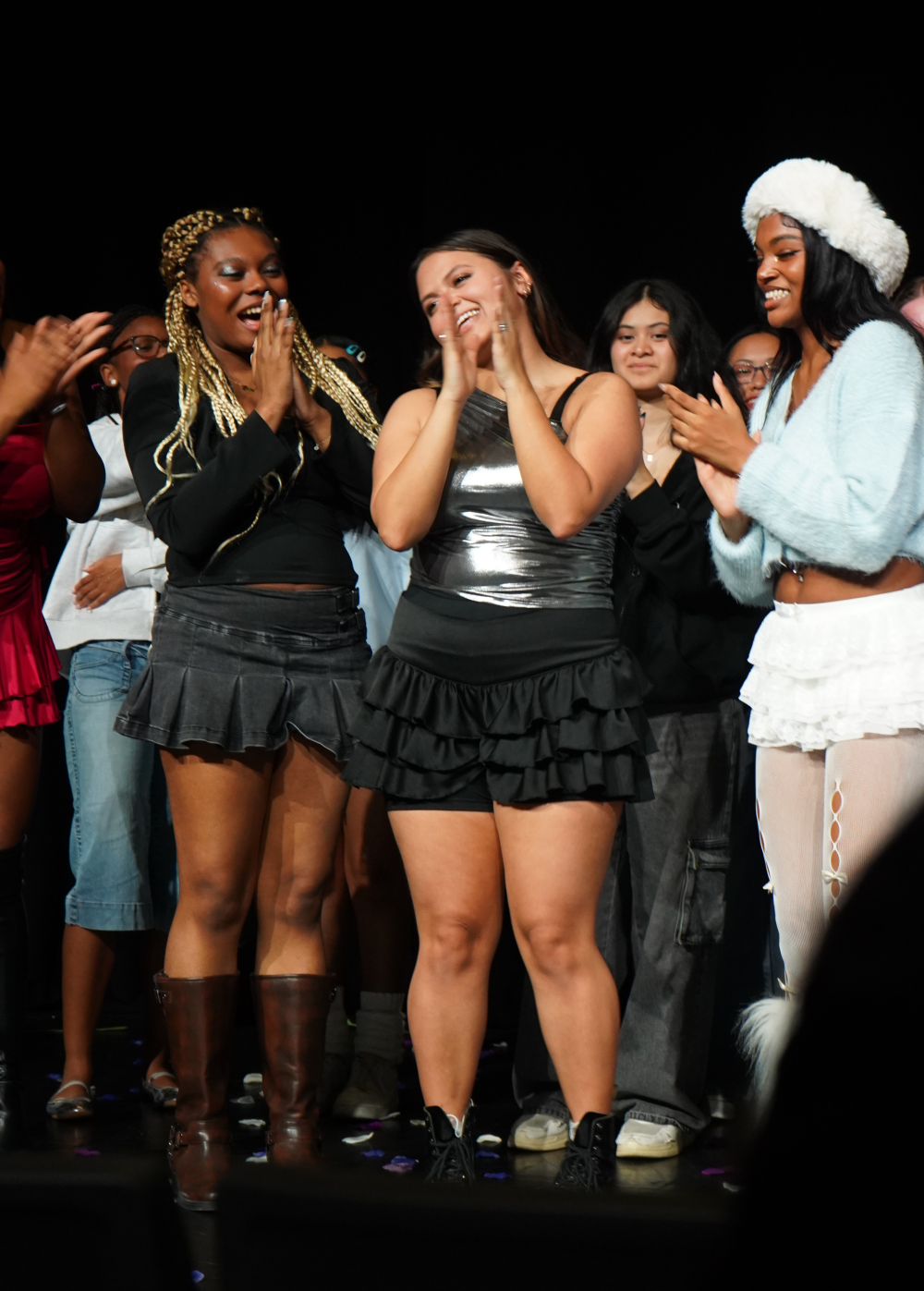
In addition to her impressive academic achievements and research in the lab, Flores enjoys expressing herself through her Korean Pop (K-pop) dance groups. She is a member of the on-campus Fine9 K-pop Dance Club as well as a local, independent K-pop dance group called FAN-C Dance Crew.
Both groups post K-Pop dance covers on their social media accounts and perform live dance routines at festivals and showcases, building confidence, creativity and teamwork through the synchronized choreography to popular songs.
On Sunday, Nov. 23 in McKnight Hall, Fine9 held their Winter Showcase. Flores participated in several dances, including XOXZ by IVE, Jellyous by ILLIT, Come Over by LE SSERAFIM, LA DI DA by Everglow, RUN2U by STAYC, and Body by MEOVV.
“I love Korean culture and dance in general. I did dance growing up, so I just love expressing myself through dance and also just physically exerting myself,” Flores said.
Communicating Science
Flores has taken the skills she has learned from her great mentors and utilizes them to help other students develop their own research skills.
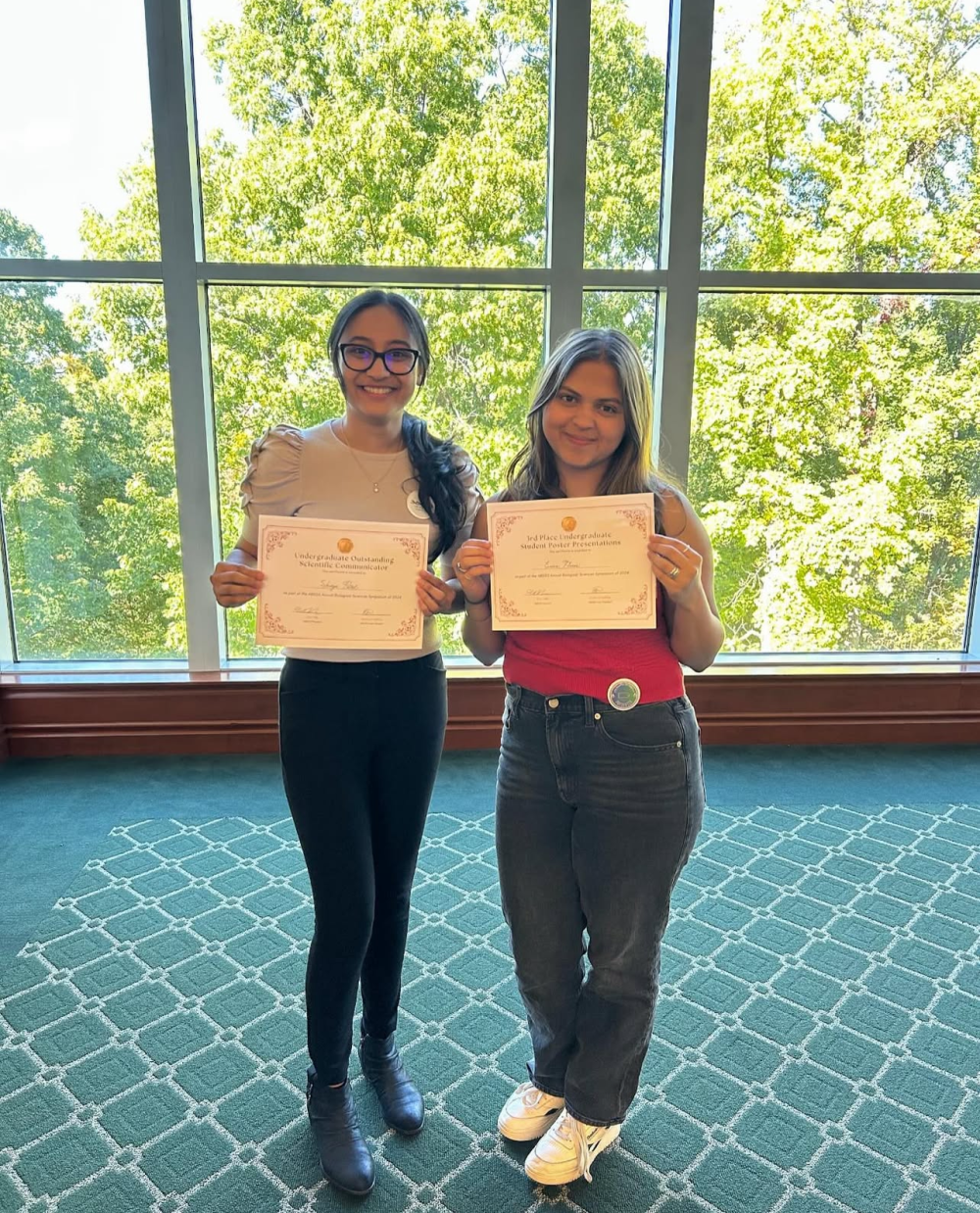
As a communications consultant for the Cell Biology Lab, taught by Michelle Pass, Ph.D., Flores helps students learn how to communicate their lab work effectively. Flores joins the course every other week to give a presentation on how to write lab papers, focusing on topics such as the materials and methods section.
“I really like the job because I feel like writing for me is a pretty daunting task because it can take a while to refine and can be overwhelming if it’s a long paper,” Flores explained. “So being able to help other students is really fulfilling.”
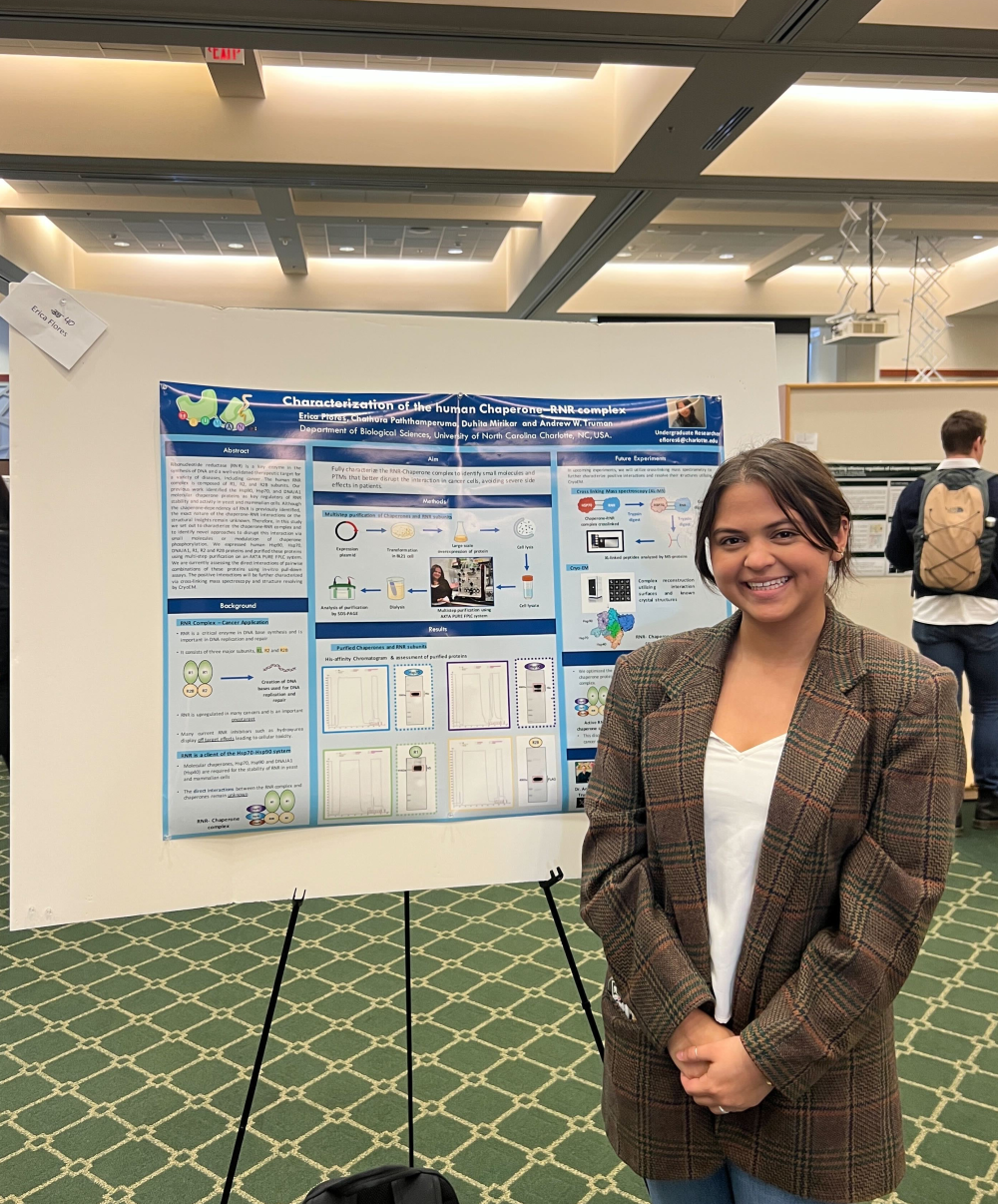
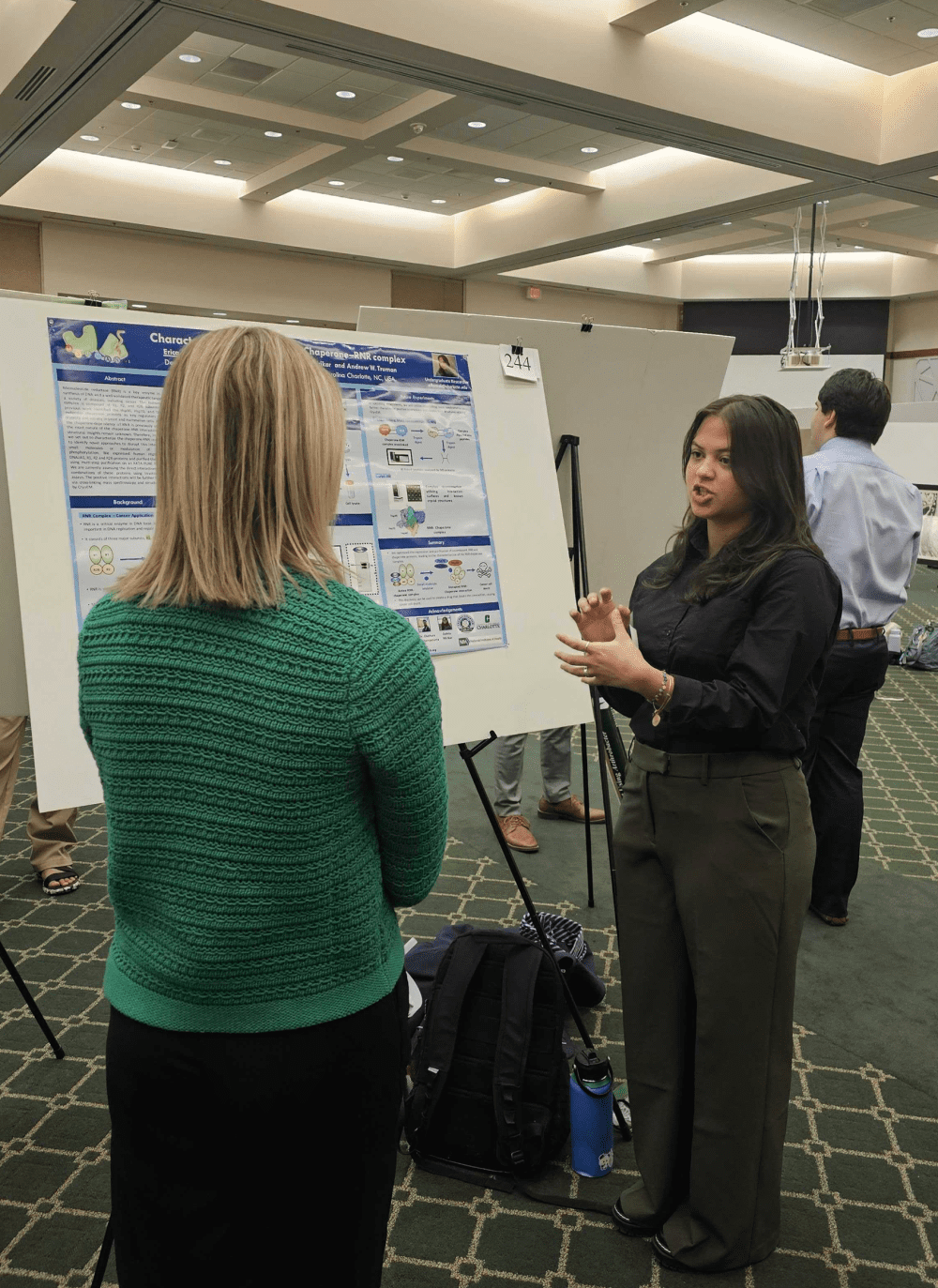
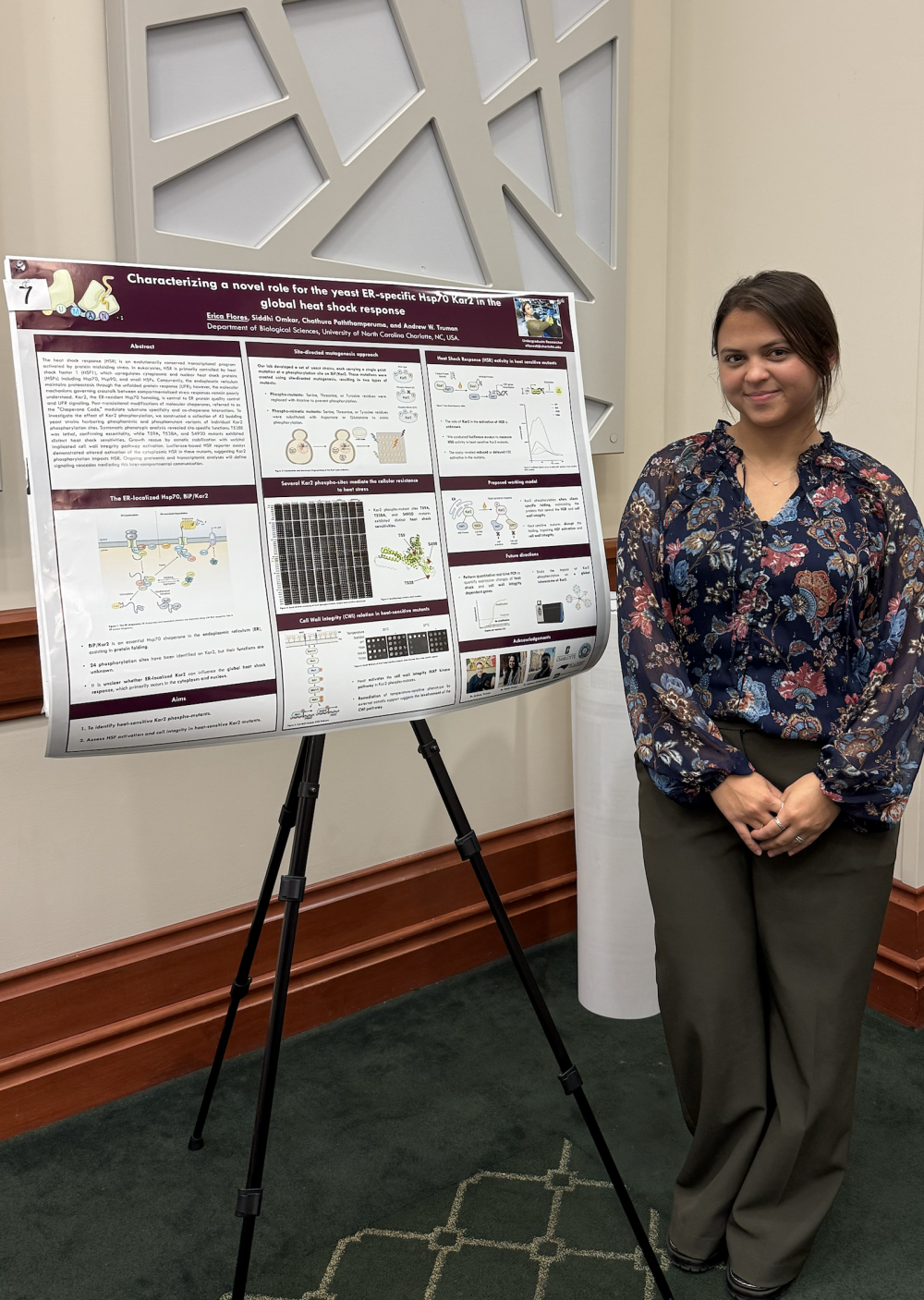
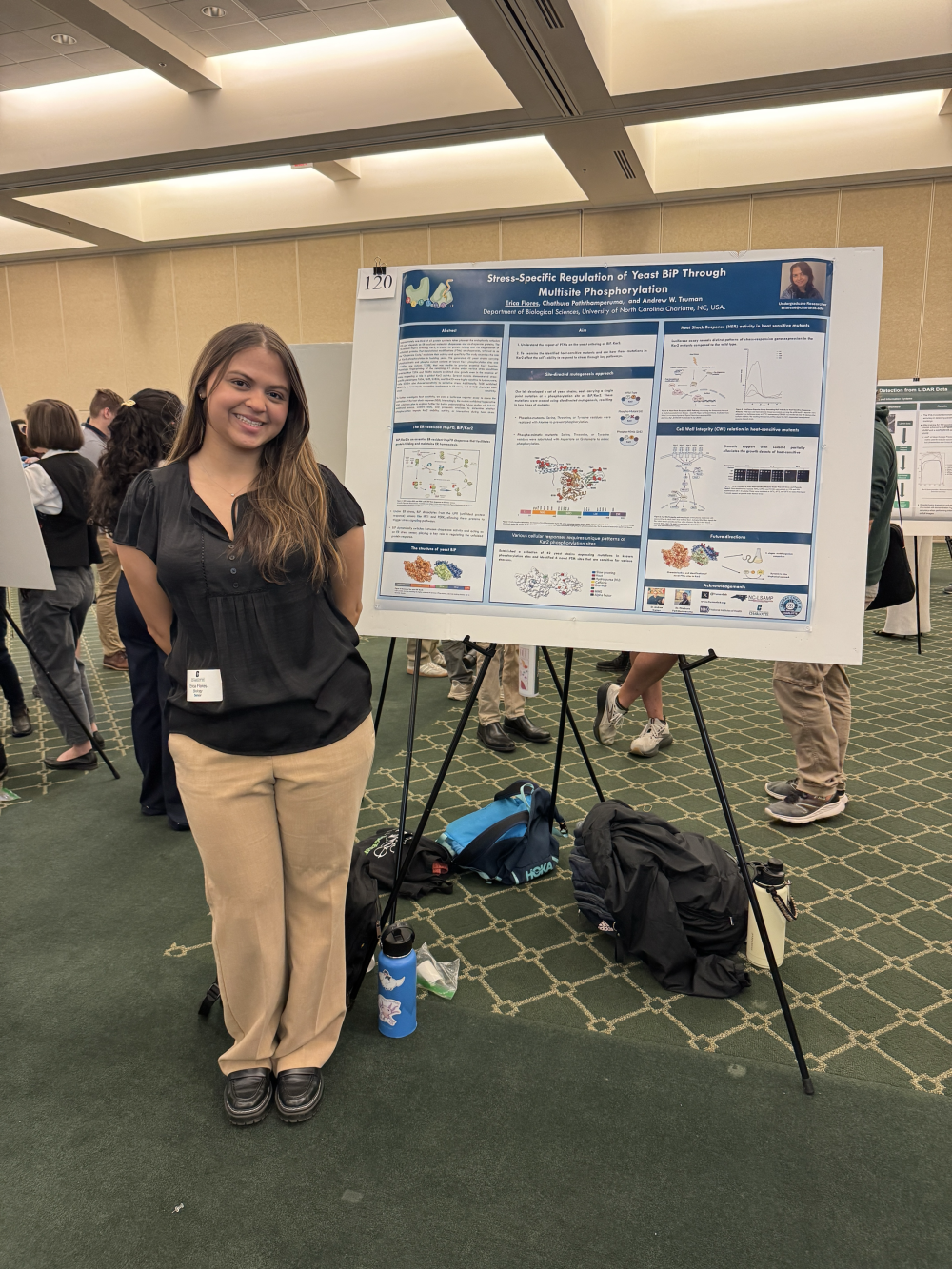
Flores has expanded her own skills in research communication through attending conferences and presenting her work.
SACNAS
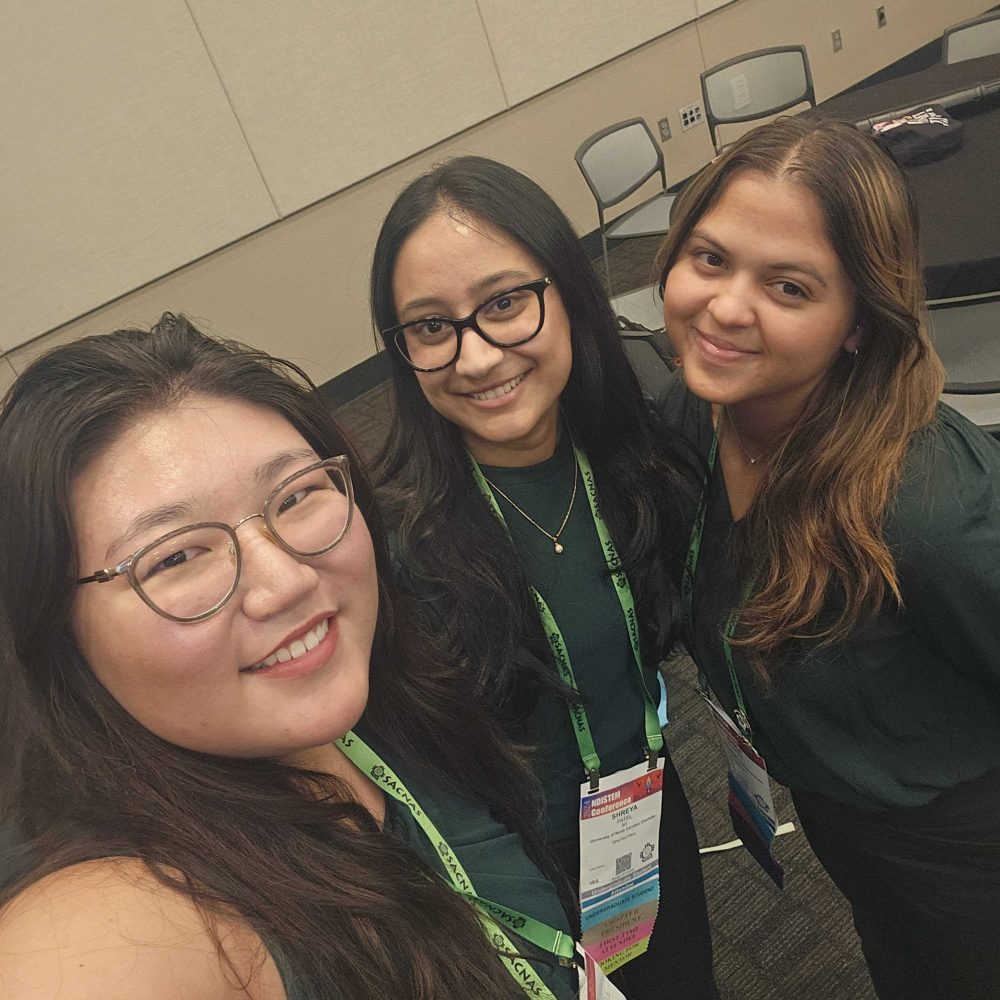
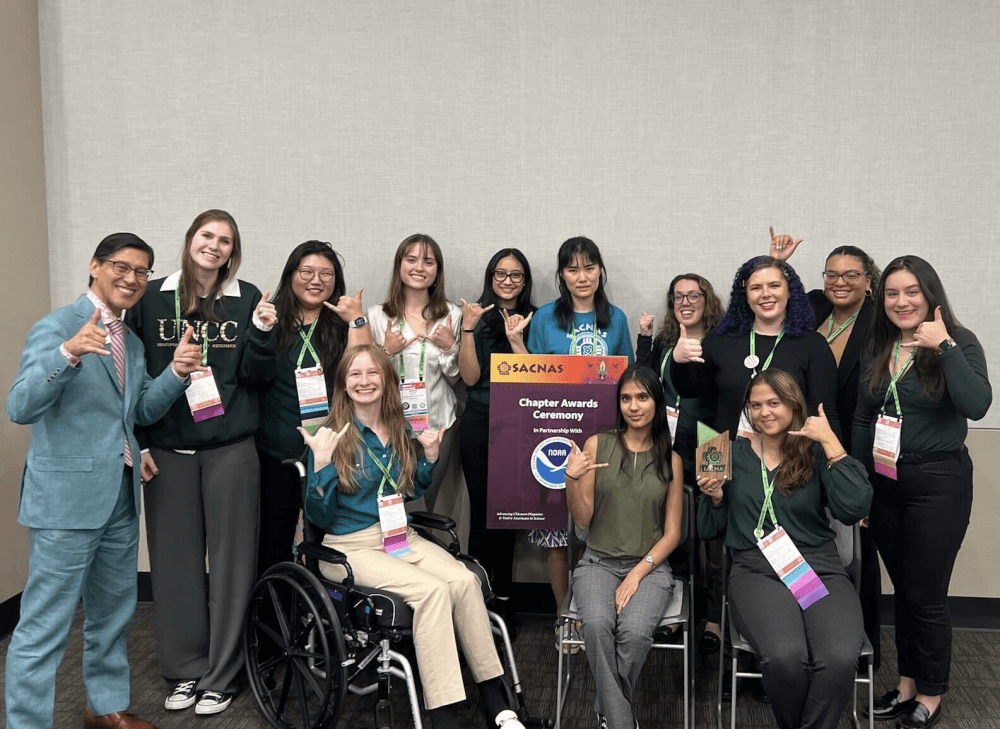
In 2023, Flores joined the Society for Advancement of Chicanos/Hispanics & Native Americans in Science (SACNAS), a student organization, after encouragement from Ashley Choi. Choi joined the Truman lab in 2022 and graduated last year.
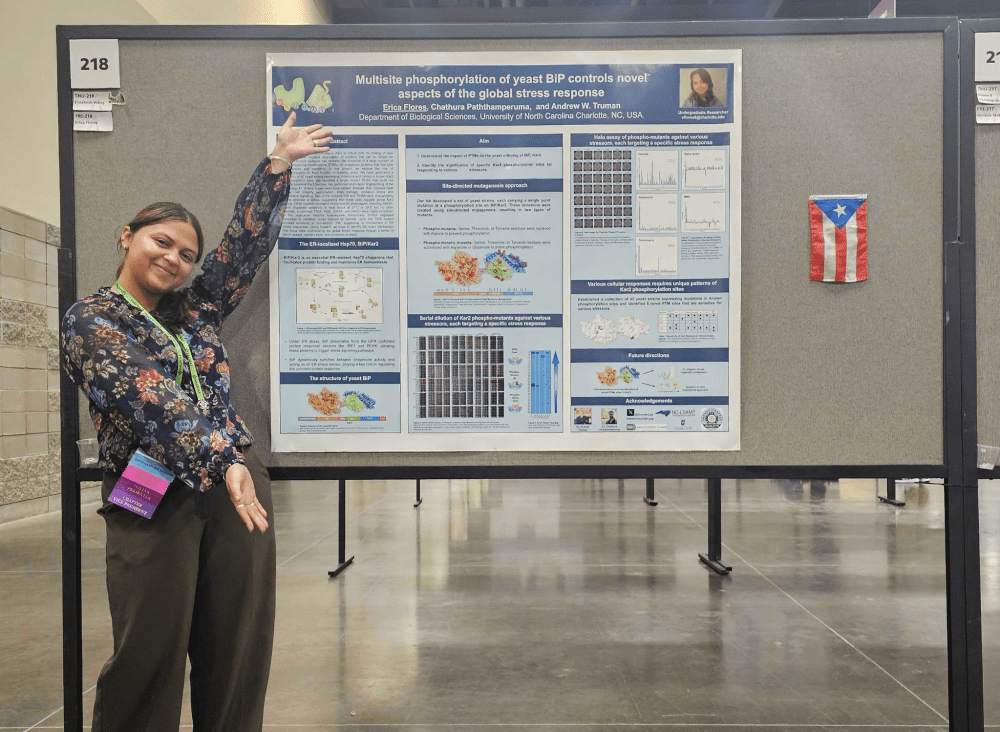
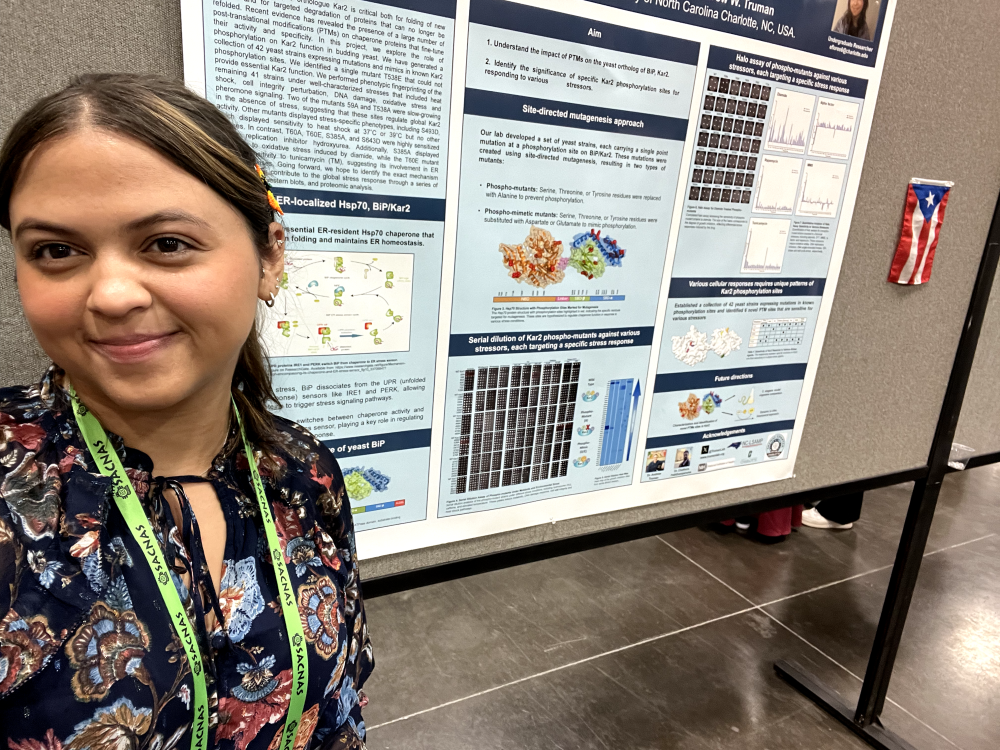
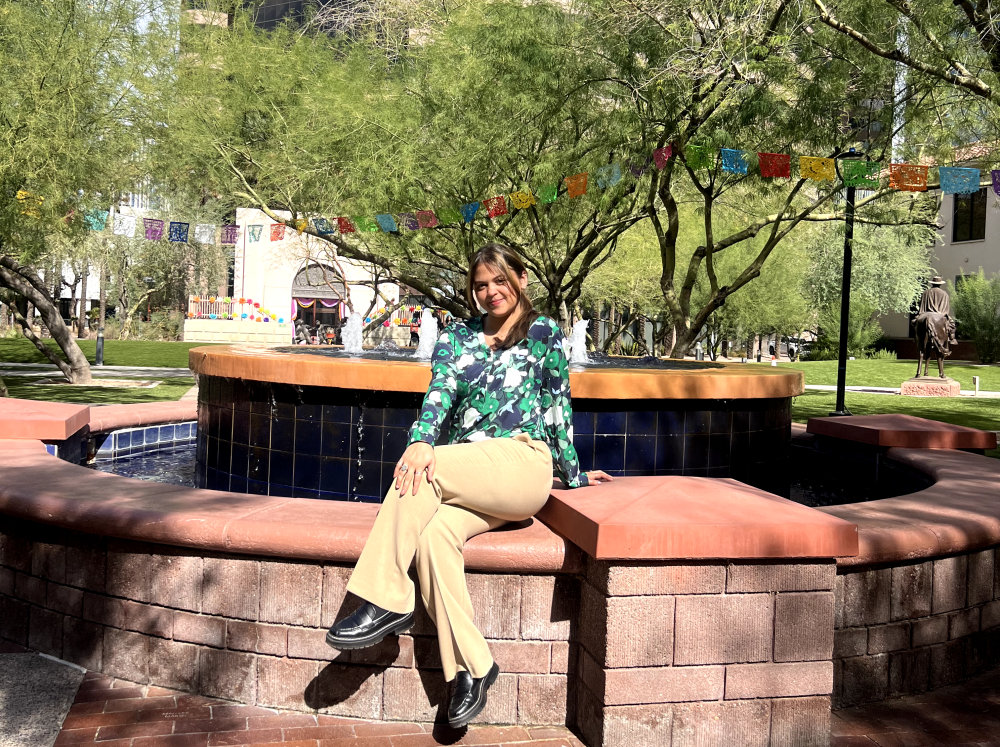
Flores took on the role of vice president in the fall of 2024 and was awarded the 2024 SACNAS NDiSTEM COLOR Travel Scholarship. The scholarship funded her travel and attendance for the NDiSTEM Conference in Phoenix, Arizona in October 2024, with over 5,500 other attendees ranging from college-level to professionals in the field.
As the leading multidisciplinary and multicultural STEM conference in the country, SACNAS NDiSTEM immerses attendees in cutting-edge research, professional development sessions, an academic and career exposition and multicultural celebrations and traditions.
“Having the opportunity to present at a conference, that’s also a diverse conference, and seeing people that look like me explaining their research is really empowering,” Flores said. “It gives me the confidence to pursue my career in STEM.”
Future Plans
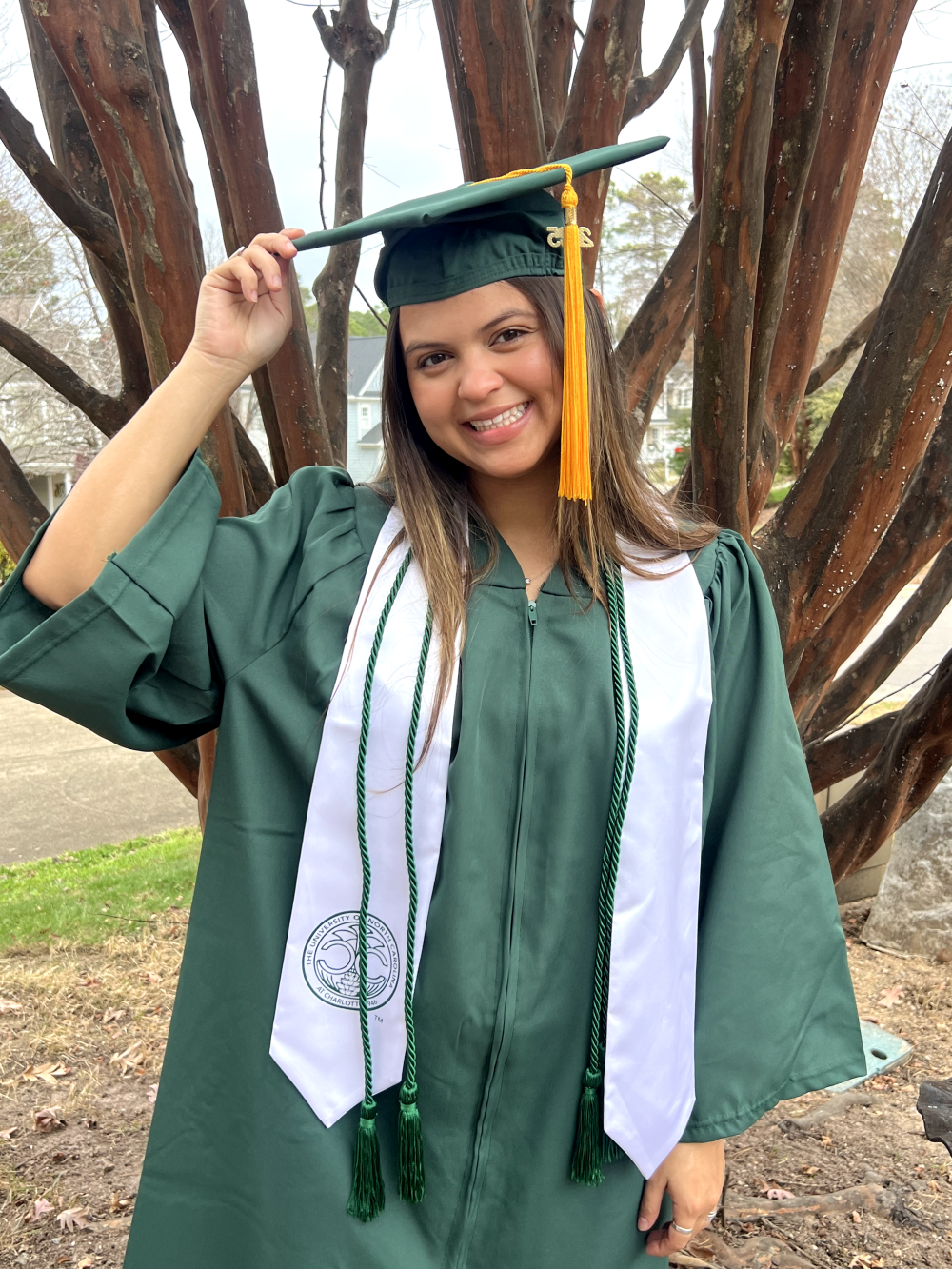
Flores is graduating this December with a major in biological sciences and a minor in public health.
In January 2026, Flores will start the Histotechnology Program led by Carolinas College of Health Science, part of Atrium Health. The 31-week program teaches students the skills for work in research and hospital settings, training students to pass the Histotechnology Certification.
After obtaining the certification, Flores is interested in pursuing a pathologists’ assistant training program. Pathologists’ assistants spend two years taking medical school level courses and completing practical rotations in order to provide surgical pathology and autopsy pathology services under the direct supervision of a board certified pathologist.
“There are only a couple programs in the United States, but there’s one at Duke,” Flores said. “I know it will be hard, but I think if I really commit that it could be a possibility.”
Her interest in pathology was solidified by how much she enjoys hands-on lab work and the satisfaction of understanding how things function at the structural and diagnostic levels.
“I liked the investigation of how things work the way they do and how we can apply that to the human body to make a real impact on people,” Flores said. “I found that pathology really blends patient care, lab work and investigation in a way that feels truly fulfilling.”
Flores knows that stepping away from the daily routine in the lab will be the most difficult part of graduating and leaving UNC Charlotte.
The lab has given her incredible opportunities to collaborate on groundbreaking discoveries and present at exciting conferences, but she will miss the daily interactions with her fellow researchers and friends more than anything else.
“I think what I’ll miss most are our weekly lab meetings. Each lab member takes a turn presenting their hard work and the status of their research. This way, we get to see how our projects overlap and help each other move forward with our research,” she explained. “Those small moments are what made the lab feel like a true community.”
Written by Emily Hamm
Truman Lab photos by Amy Hart and additional images courtesy of Erica Flores.