Klein College of Science hosts inaugural Southeastern Symposium on Genome Integrity and Chromatin Regulation
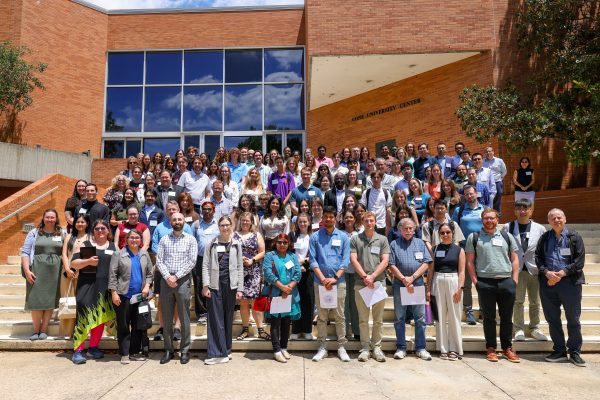
The Klein College of Science welcomed researchers from eight states to UNC Charlotte on Monday, June 15, for the inaugural Southeastern Symposium on Genome Integrity and Chromatin Regulation.
The new regional symposium builds on the success of the 2025 Carolina Symposium on Genome Integrity and Chromatin Regulation, which brought together 150 participants from 15 institutions across the Carolinas.
With this momentum, the 2026 symposium expanded its reach, bringing together nearly 170 attendees from 28 research and education institutions and six nonprofit organizations or industry and biotech companies from North Carolina, South Carolina, Virginia, Georgia, Florida, Minnesota, Kentucky and North Dakota, as well as Mexico and India.
“We are a driving force in the region’s innovation ecosystem, translating cutting-edge research into economic growth, job creation and real-world solutions,” said Deborah Thomas, Ph.D., associate vice chancellor of research at UNC Charlotte. “Through these strategic partnerships, technology commercialization and a commitment to regional innovation, UNC Charlotte is shaping the future of place-based, technology-driven economic development in Charlotte. But it isn’t just Charlotte. By being locally relevant, we are also globally connected in our research.”
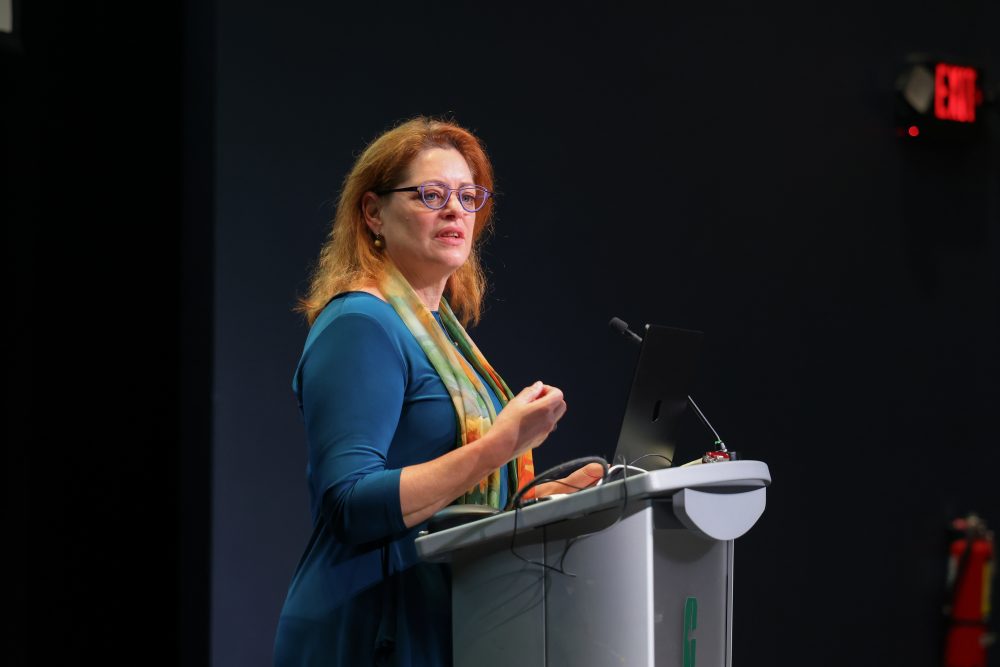
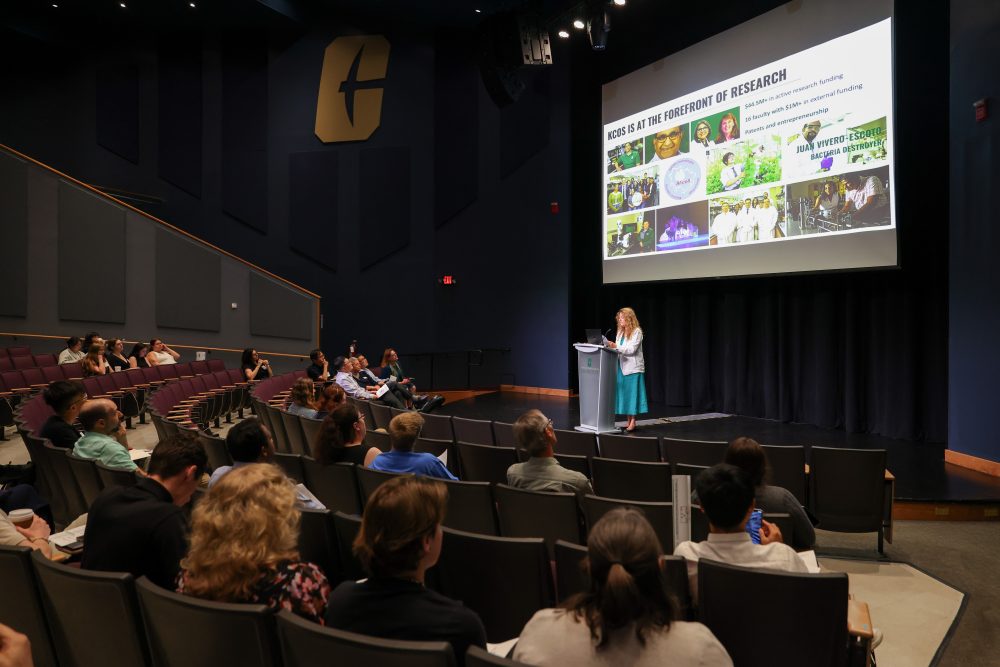
Strengthening scientific exchange and collaboration in a rapidly advancing field, the symposium provided mentorship, networking and opportunities for researchers to share their work. The program featured two keynote speakers, six invited lecturers, 10 contributed talks and 49 poster presentations.
“This symposium is designed to bring together scientists of all career stages to present and discuss research, foster collaboration and build community,” said Bernadette Donovan-Merkert, Ph.D., founding dean of the Klein College of Science. “I’m especially pleased that the symposium provides a wonderful opportunity for students and early-career scientists to present their work and engage with leading experts in the field. This type of community building is at the heart of what we do in the Klein College of Science.”
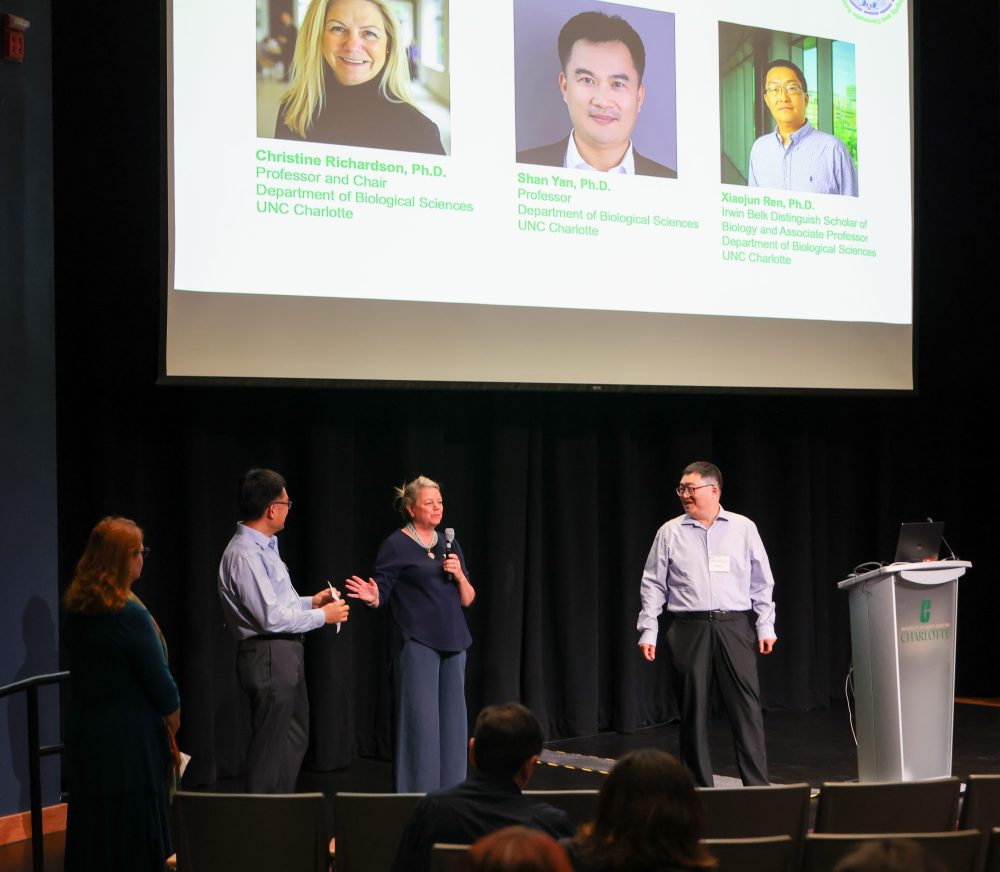
Sponsors and organizers
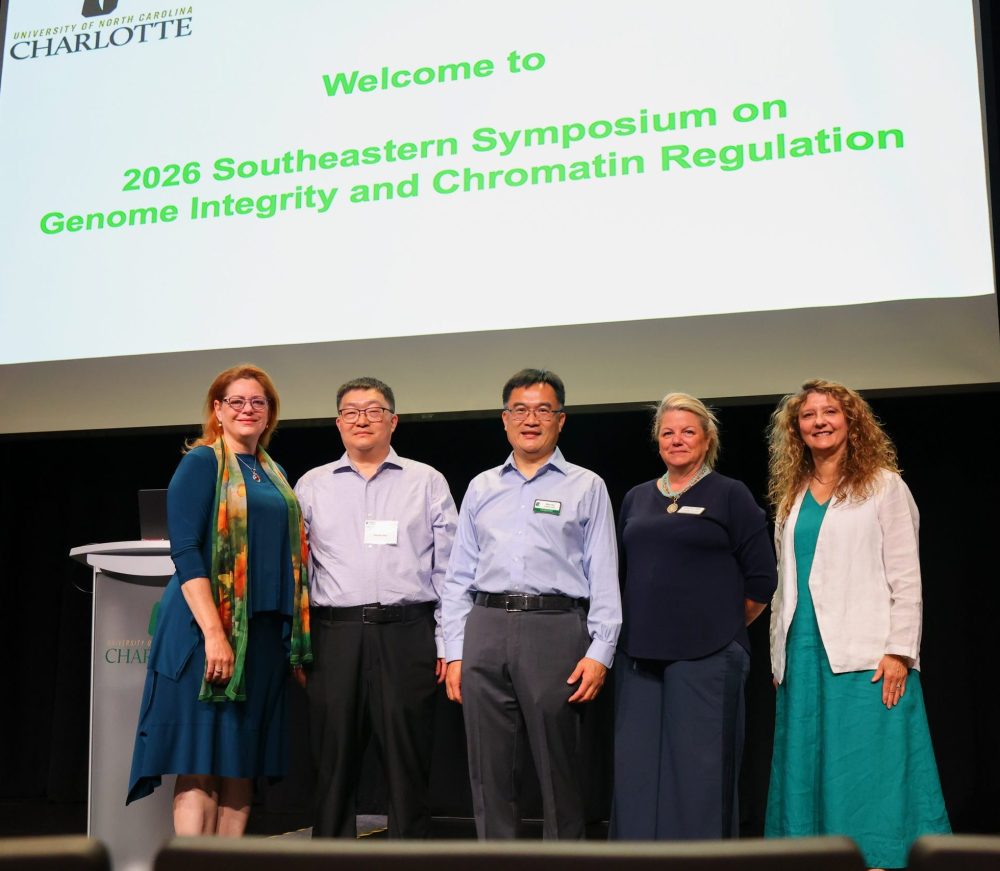
The symposium was organized by Xiaojun Ren, Ph.D., Irwin Belk Distinguished Scholar and associate professor of biological sciences; Christine Richardson, Ph.D., professor and chair of the Department of Biological Sciences; and Shan Yan, Ph.D., professor of biological sciences, whose leadership helped shape the program centered on collaboration and scientific advancement.
The event was supported by UNC Charlotte’s Center for Biomedical Engineering and Science (CBES), the Irwin Belk Distinguished Scholar of Biology Endowment Fund, the North Carolina Biotechnology Center and VWR, whose sponsorship helped make the expanded regional gathering possible.
“The Department of Biology has a lot of synergy with the Center for Biomedical Engineering and Science, which comprises nearly 50 faculty members across multiple departments and colleges,” said Richardson in her welcoming remarks. “We collaborate with other researchers who are in the clinical space, in biotechnology companies as well as the Wake Forest Institute for Regenerative Medicine. There are a lot of amazing things going on in the region, and I hope it all starts here today with the conversations you have with scientists that you meet.”
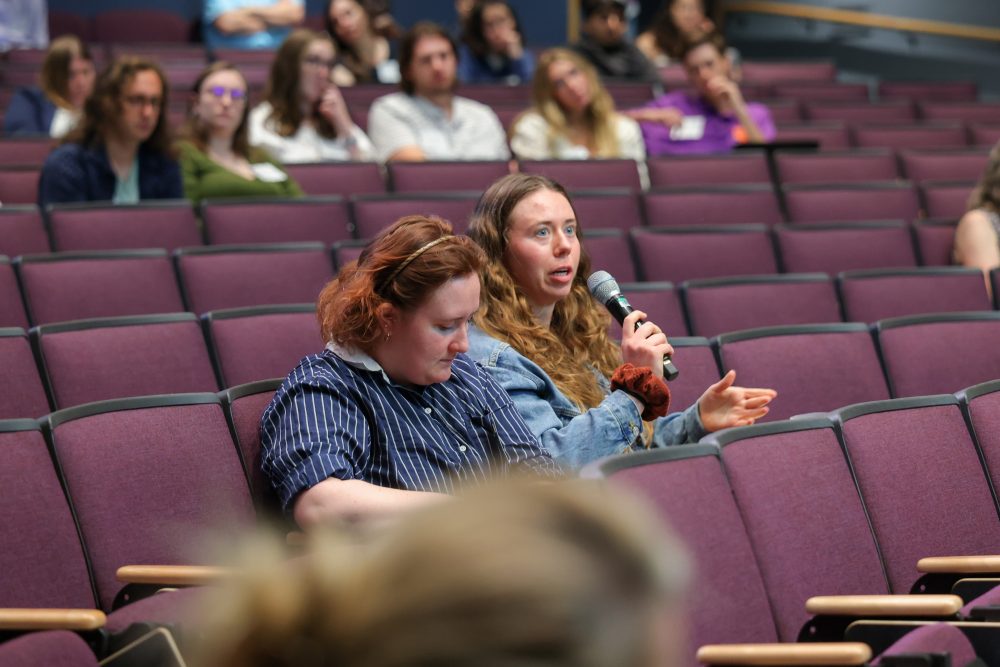
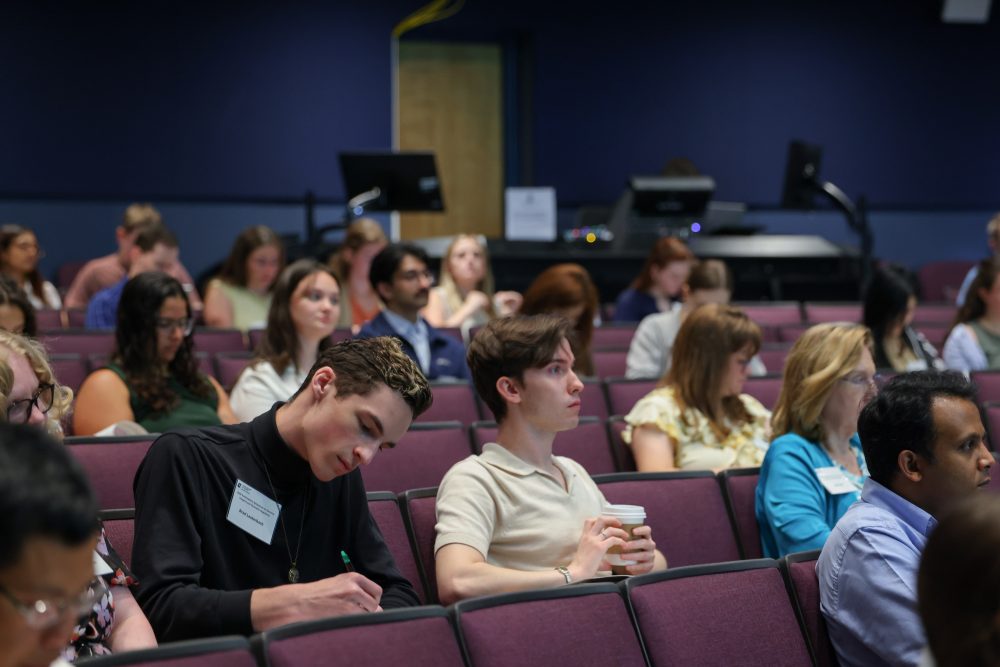
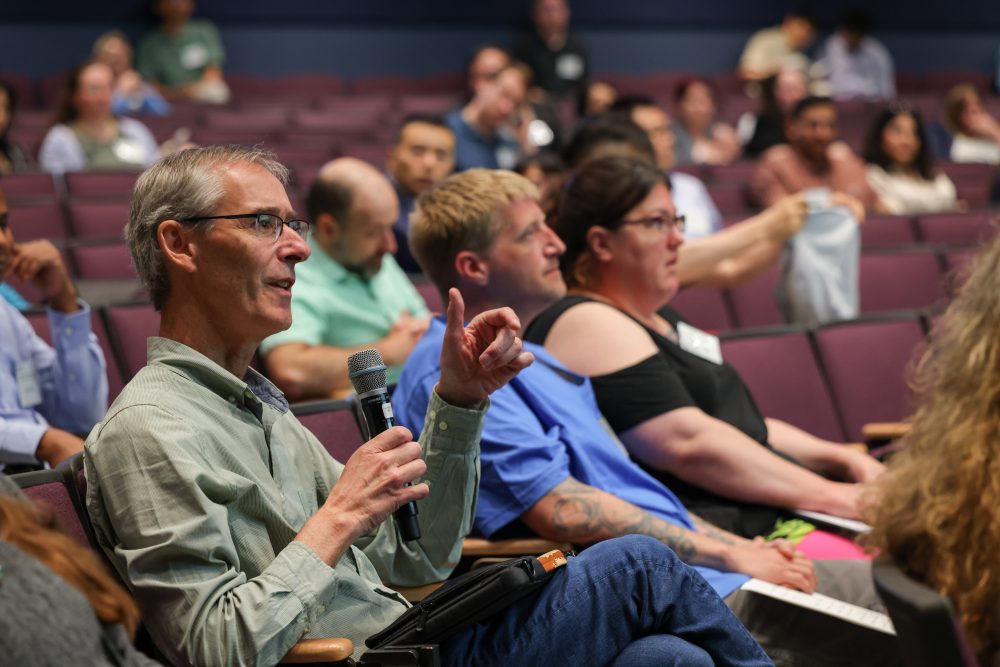
Speakers
The keynote speakers were Andre Nussenzweig, Ph.D., NIH distinguished investigator and member of the National Academy of Sciences and National Academy of Medicine at the National Cancer Institute, and Taekjip Ha, Ph.D., professor of Harvard Medical School, HHMI investigator and member of the National Academy of Sciences and National Academy of Medicine at Harvard University.
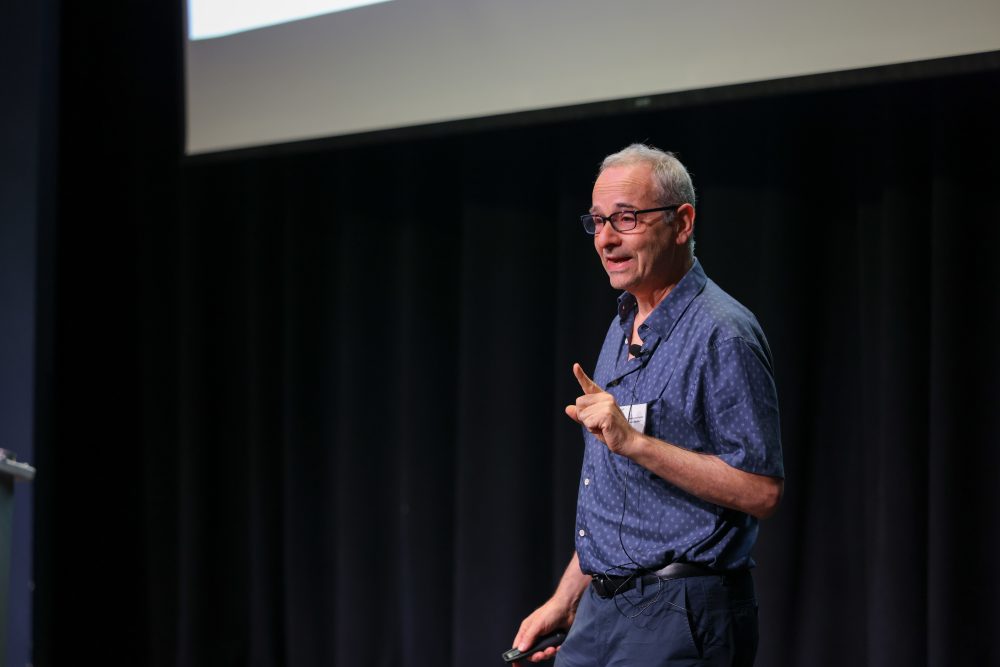
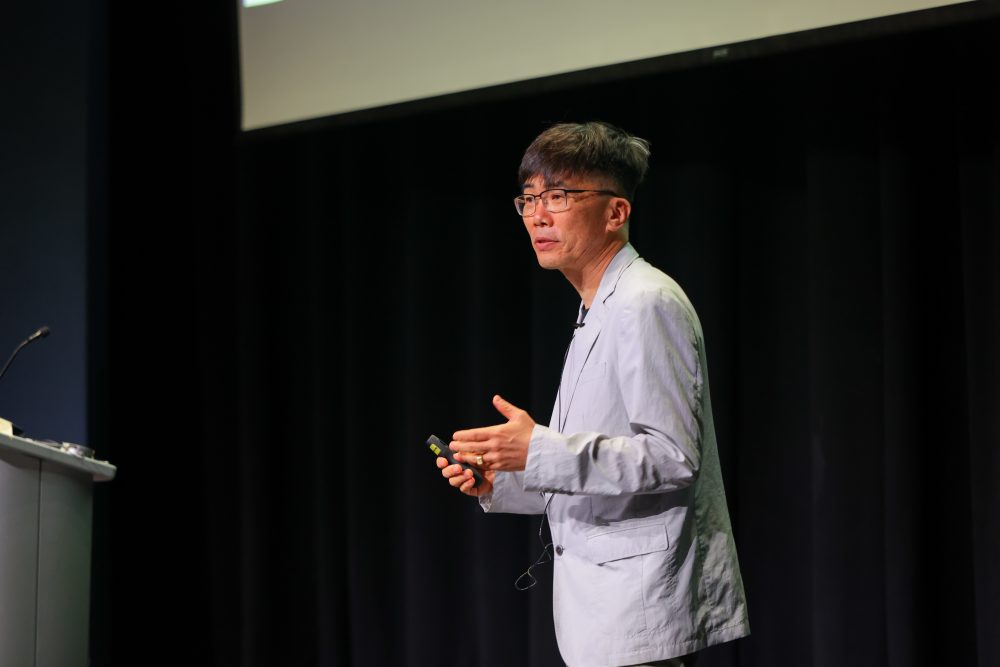
Invited speakers included Lee Zou, Ph.D., chair and professor of pharmacology and cancer biology at Duke University; Anja Bielinsky, Ph.D., chair and professor of biochemistry and molecular genetics at the University of Virginia; J. Mauro Calabrese, Ph.D., professor of pharmacology at UNC Chapel Hill; Jean Cook, Ph.D., chair and professor of biochemistry and biophysics at UNC Chapel Hill; Francesca Storici, Ph.D., professor of biological sciences at Georgia Tech; and Hong Wang, Ph.D., professor of physics at NC State University.
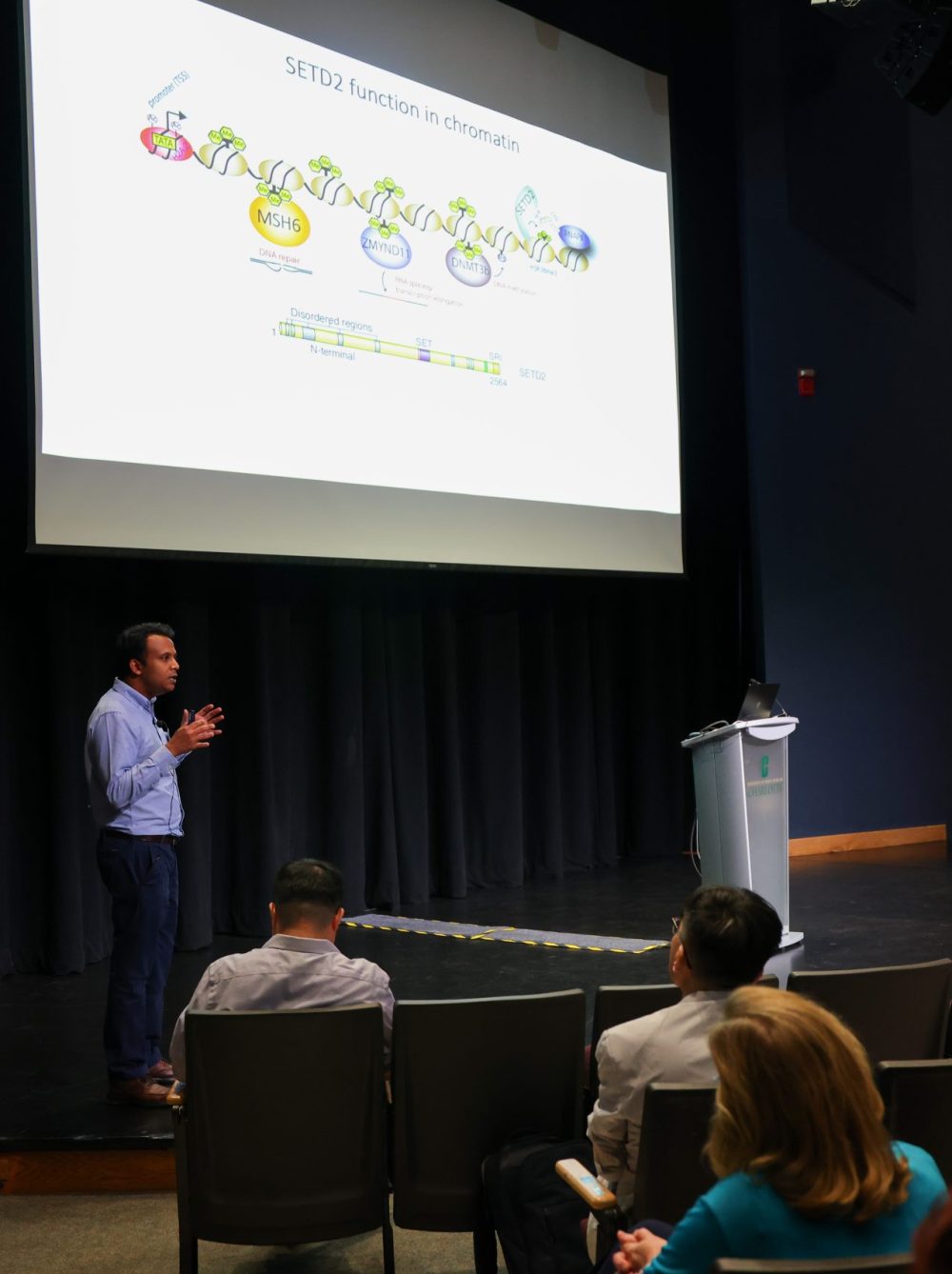
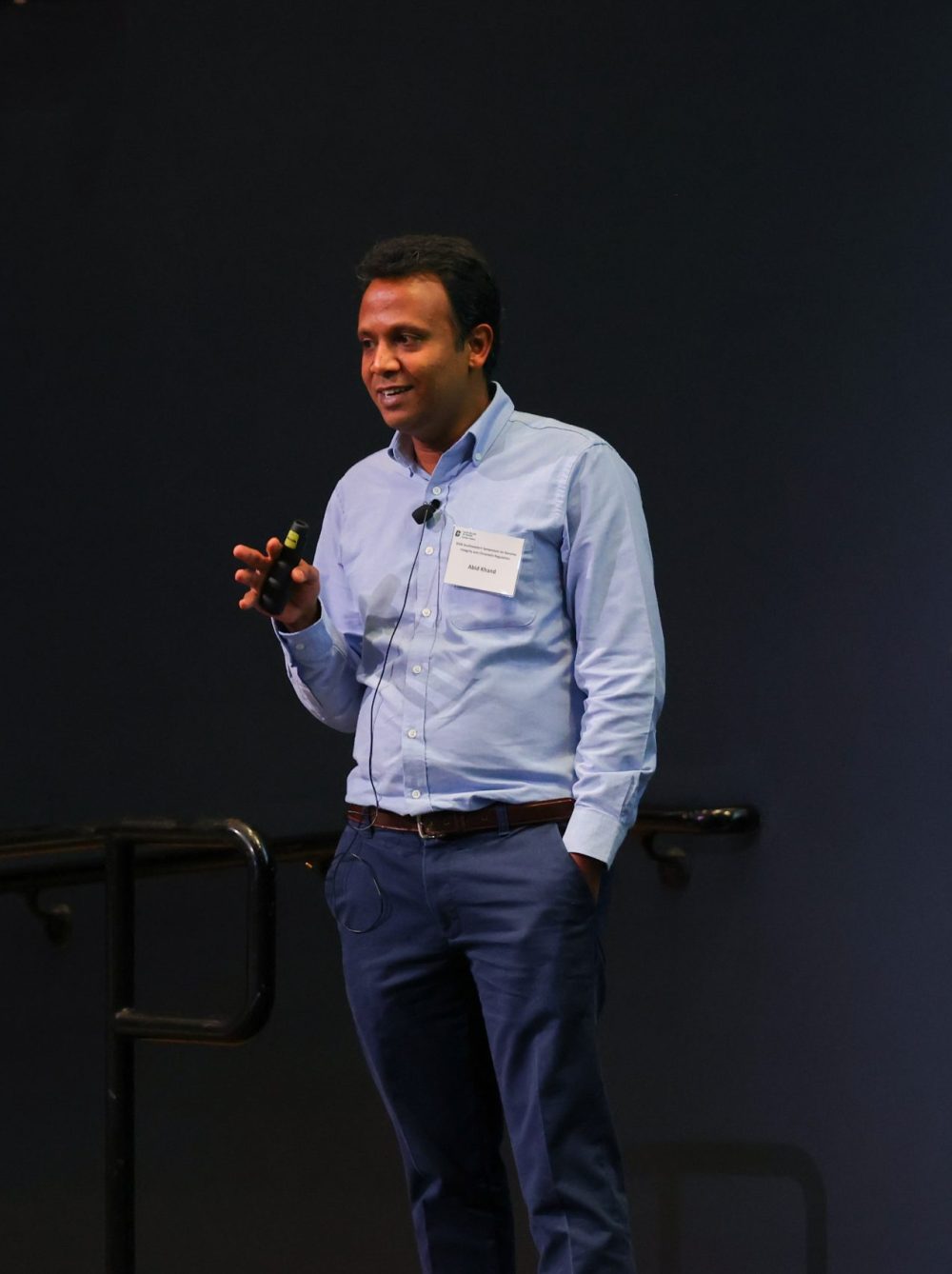
The 10 contributed talks (five assistant professors, four graduate students and one postdoctoral fellow) were selected from submitted abstracts, reflecting the depth and diversity of research underway across the region.
Poster awards
The symposium also featured awards recognizing three outstanding presentations and two honorable mentions from the poster session. Winners were selected by a panel of 21 experts from 11 universities across the southeast.
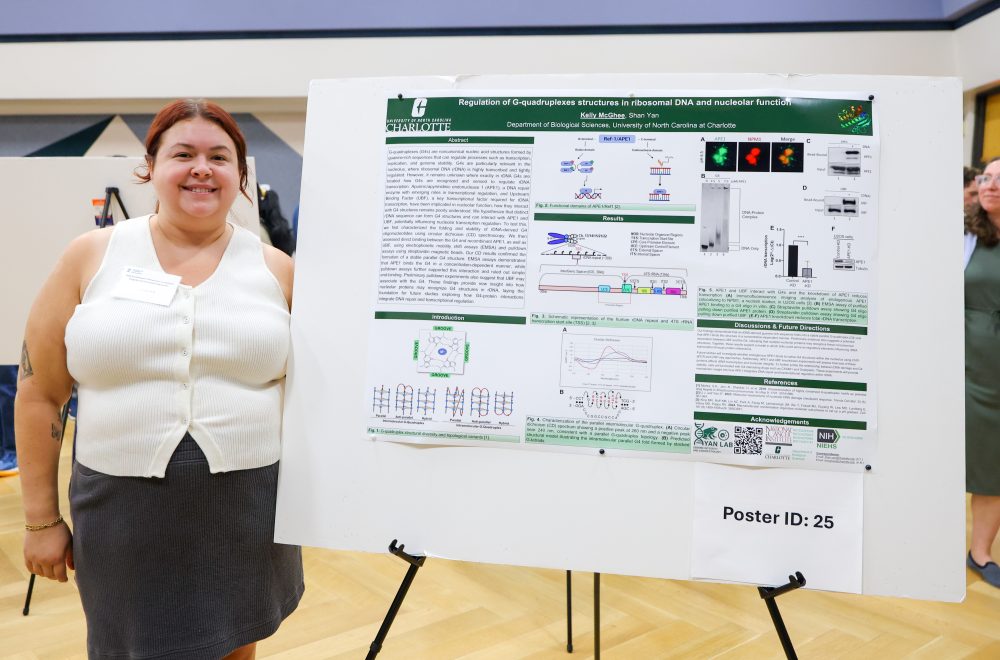
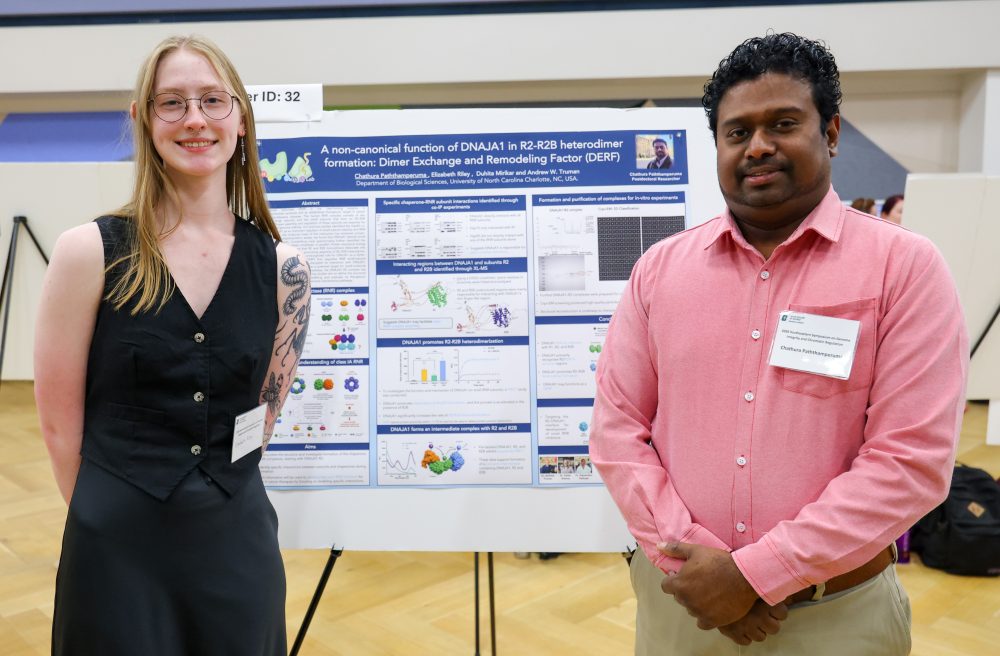
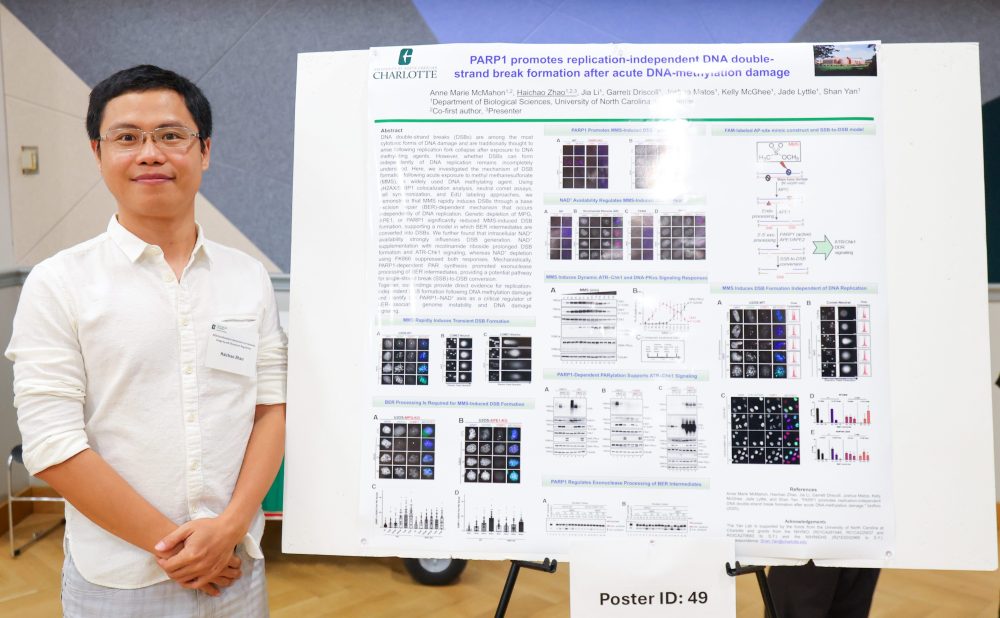
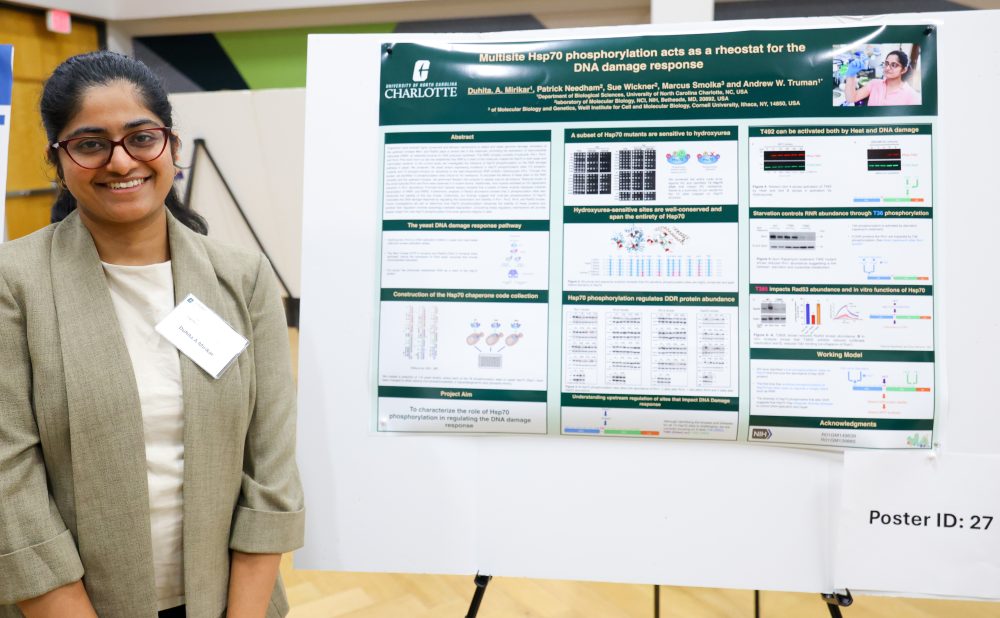
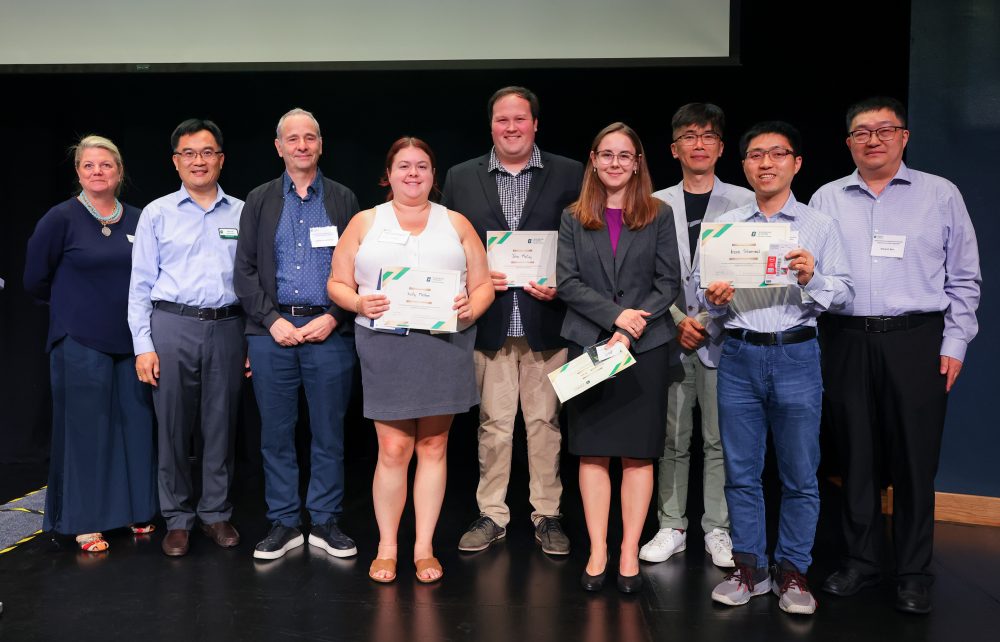
Poster session winners received monetary prizes and award certificates:
- First prize — Elizabeth Irvin (NC State University)
- Second prize — Kelly McGhee (UNC Charlotte)
- Third prize — Chathura Paththamperuma (UNC Charlotte)
- Honorable mention — Irene Silvernail (NC State University)
- Honorable mention — John McCoy (Clemson University)
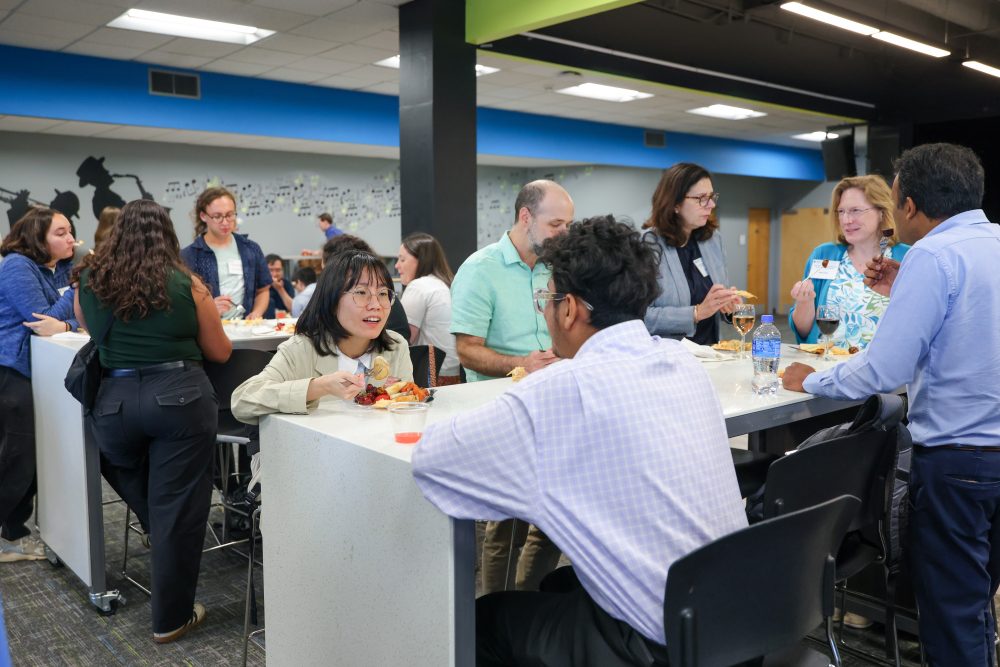
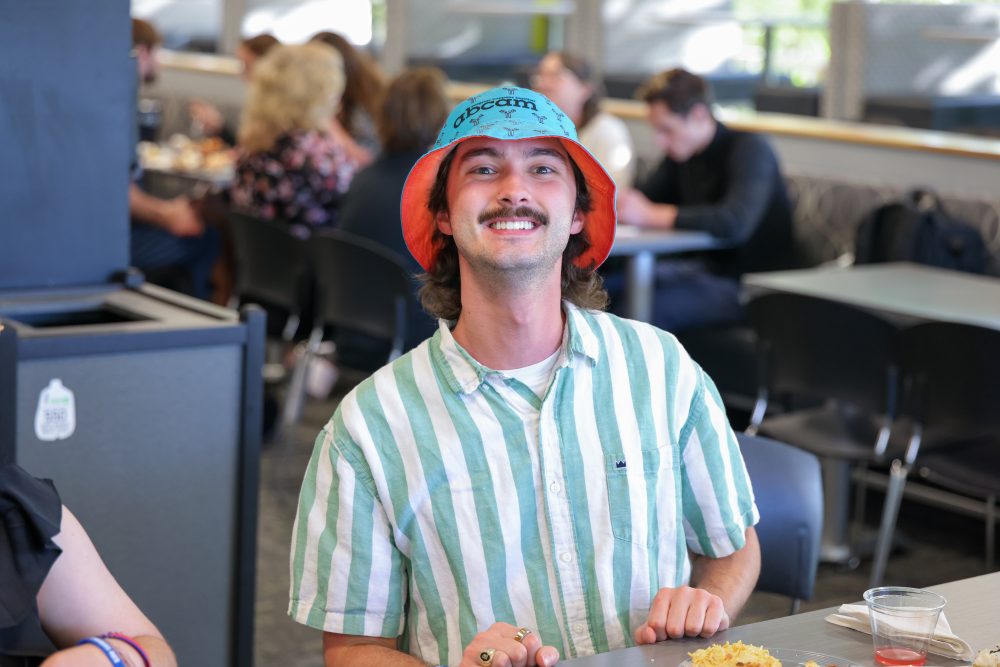
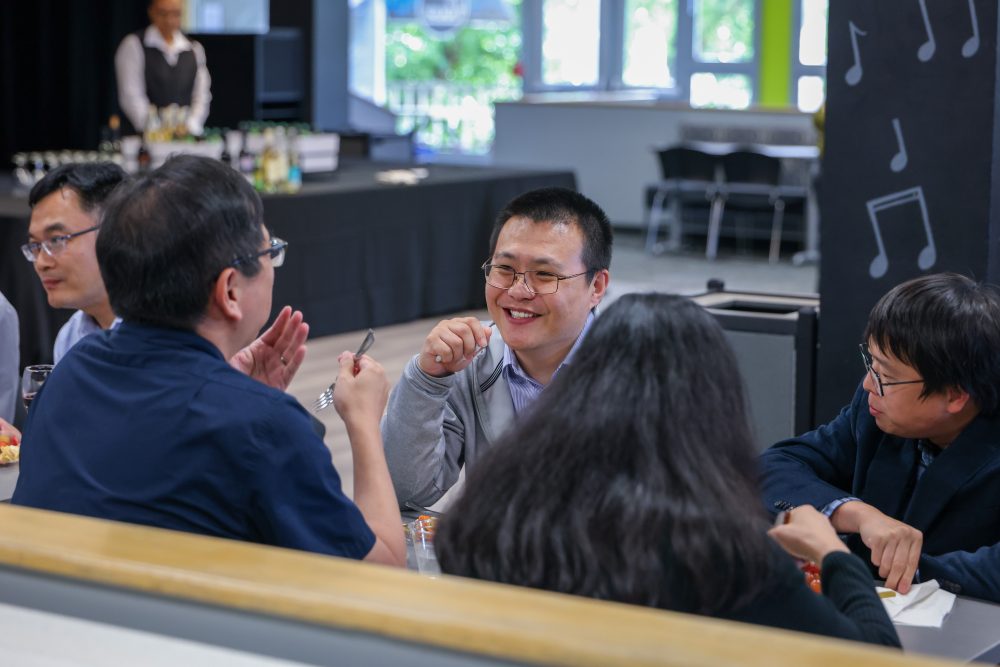
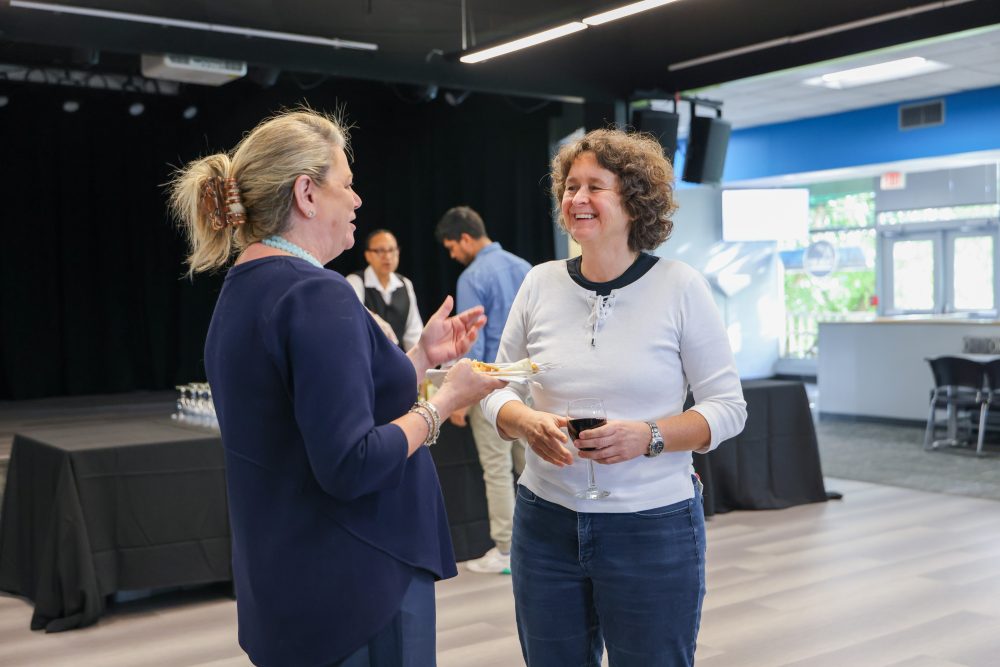
Attendees finished the day with a networking event, providing a vital platform for early‑career scientists to engage with established leaders in genome integrity and chromatin regulation, strengthening connections that can lead to future collaboration and discovery.
Written by Emily Hamm. Photos by Kat Lawrence.