Startup spun from Afonin Lab selected for gBETA Health program at The Pearl
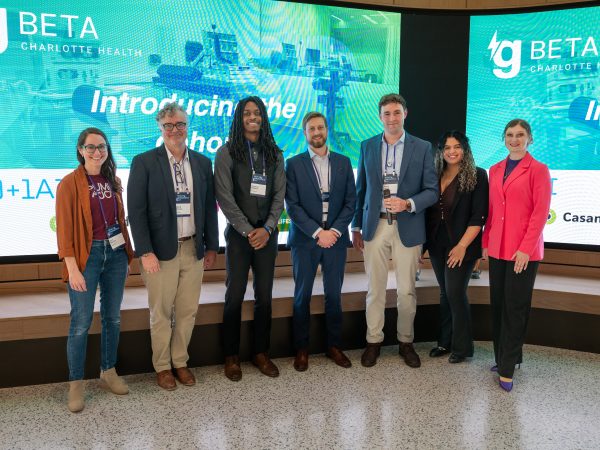
An early-stage startup spun out of research in the Afonin Lab has been selected to participate in the inaugural gBETA Charlotte Health pre-accelerator program, hosted by Wexford Science & Technology at The Pearl, located in Charlotte’s Innovation District.
gBETA is a highly competitive, nationally recognized program run by gener8tor that supports early-stage companies through mentorship, investor readiness training and commercialization guidance. The new gener8tor cycle in Charlotte was selective: only five companies were selected from 54 health technology startups.
The Afonin Lab, within the Klein College of Science, is focused on the design and application of nucleic acid nanoparticles for therapeutic and biomedical use. Being selected for this cohort reflects the strength of the lab’s research and its potential for translation beyond the academic setting, highlighting growing interest in technology with applications in targeted therapeutics, immune modulation and precision medicine.
As part of the accelerator program, the lab is launching a startup named Inolyt, building around a novel antimicrobial platform. Margaret Kocherga, Ph.D., director of outreach and partnerships for the Klein College of Science, is the CEO of Inolyt and is working closely with the Afonin research team to lead commercialization efforts. The technology uses DNA-stabilized silver nanoclusters (DNA-AgNCs), a next-generation approach designed to address the growing global challenge of antimicrobial resistance.
These materials combine the antimicrobial potency of silver with the programmability and biocompatibility of DNA, allowing for highly effective, tunable and low-toxicity antimicrobial activity across a range of applications, including wound care, medical devices and infection prevention.
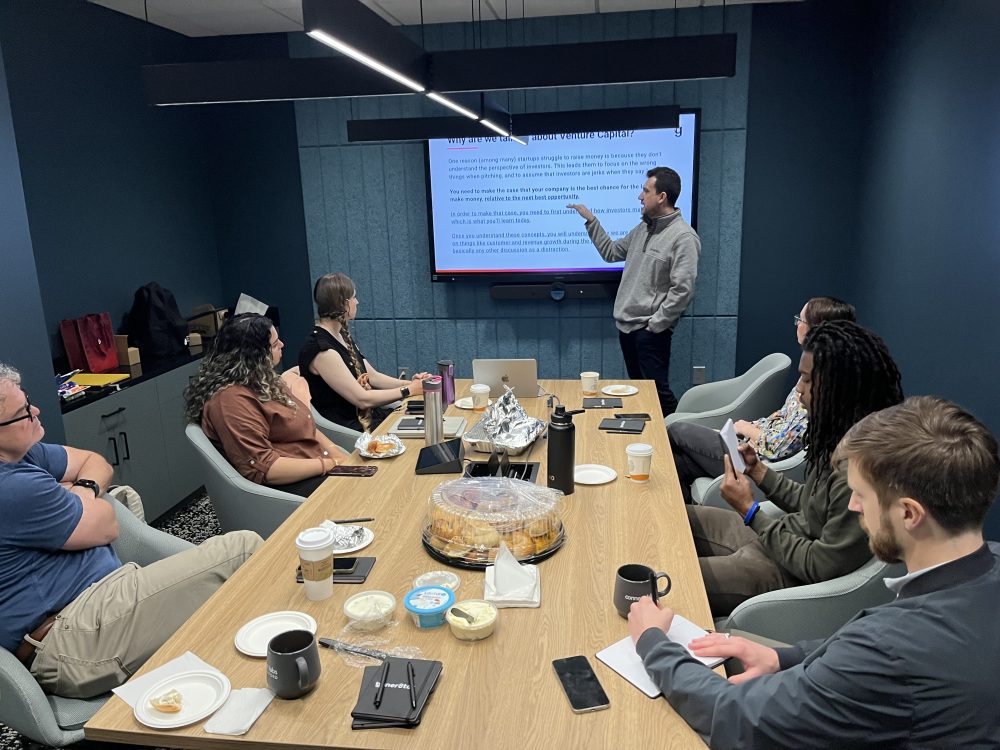
Through gBETA, Inolyt will receive individualized mentorship from gener8tor’s nationally ranked accelerator network, participate in weekly training sessions and investor-facing opportunities, and gain access to a broad ecosystem of industry partners and resources.
“This selection is a strong validation of both the science and the real-world need for new antimicrobial solutions,” said Kocherga. “At Inolyt, we are focused on translating breakthrough research into practical, scalable technologies that can address antimicrobial resistance without contributing to it. gBETA provides an incredible platform to accelerate that transition from lab to market.”
The program is seven weeks long and offers coaching designed to position companies for follow-on investment or entry into larger accelerator programs, making it a significant step in translating research from the lab to real-world impact.

“This experience has allowed me to take my Ph.D. research beyond the lab to see how it can translate into real-world impact,” said Laura Rebolledo, a doctoral researcher contributing to the Inolyt technology. “It’s been incredibly valuable to see how scientific innovation evolves into a scalable solution that can directly address critical healthcare challenges.”
This acceptance highlights the translational potential of research performed within UNC Charlotte and the connections formed in the growing innovation and life science ecosystem at The Pearl.
“As a first-generation Latina scientist, this opportunity has been especially meaningful, as it represents not only a professional milestone but also a reflection of how far my journey has come,” said Rebolledo. “Through gBETA Charlotte Health, I’ve already had the opportunity to work within a clinically connected ecosystem, receive feedback from mentors and industry experts and collaborate closely with an experienced entrepreneur.”